When 1 400 international All Blacks supporters descended on South Africa for the recent Greatest Rivalry Test series, Old School Group faced a logistics puzzle few destination management companies ever encounter: how do you give hundreds of luxury travellers an authentic African bush experience when no private game lodge in the country is built to house a group that size?
The answer was to build one from scratch.
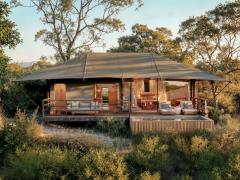
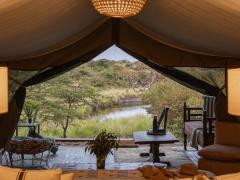
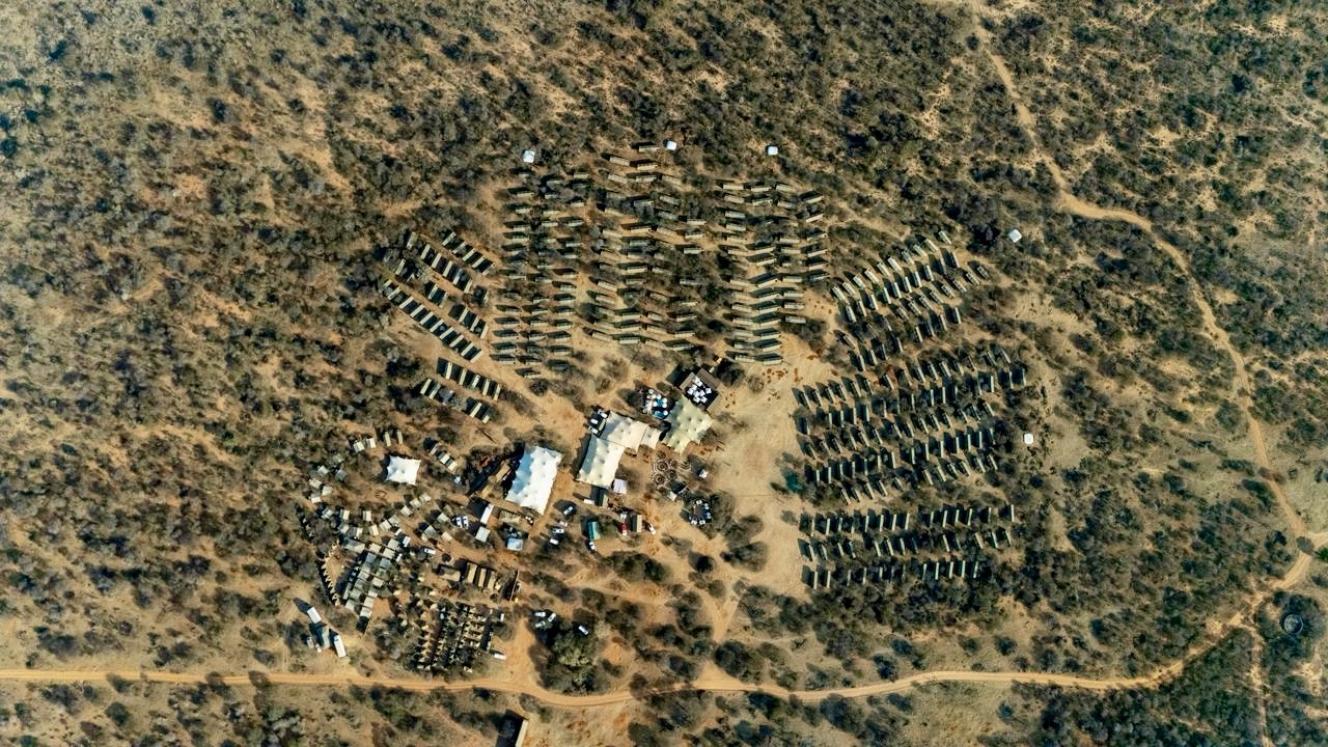
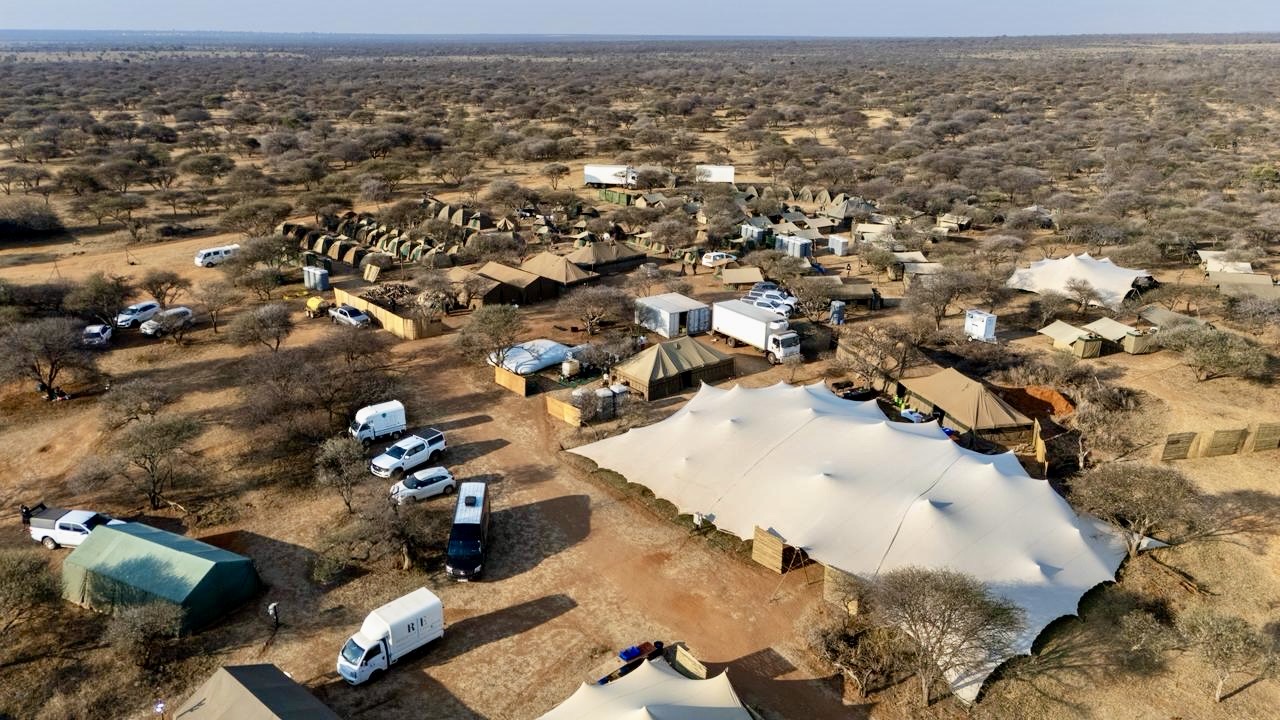
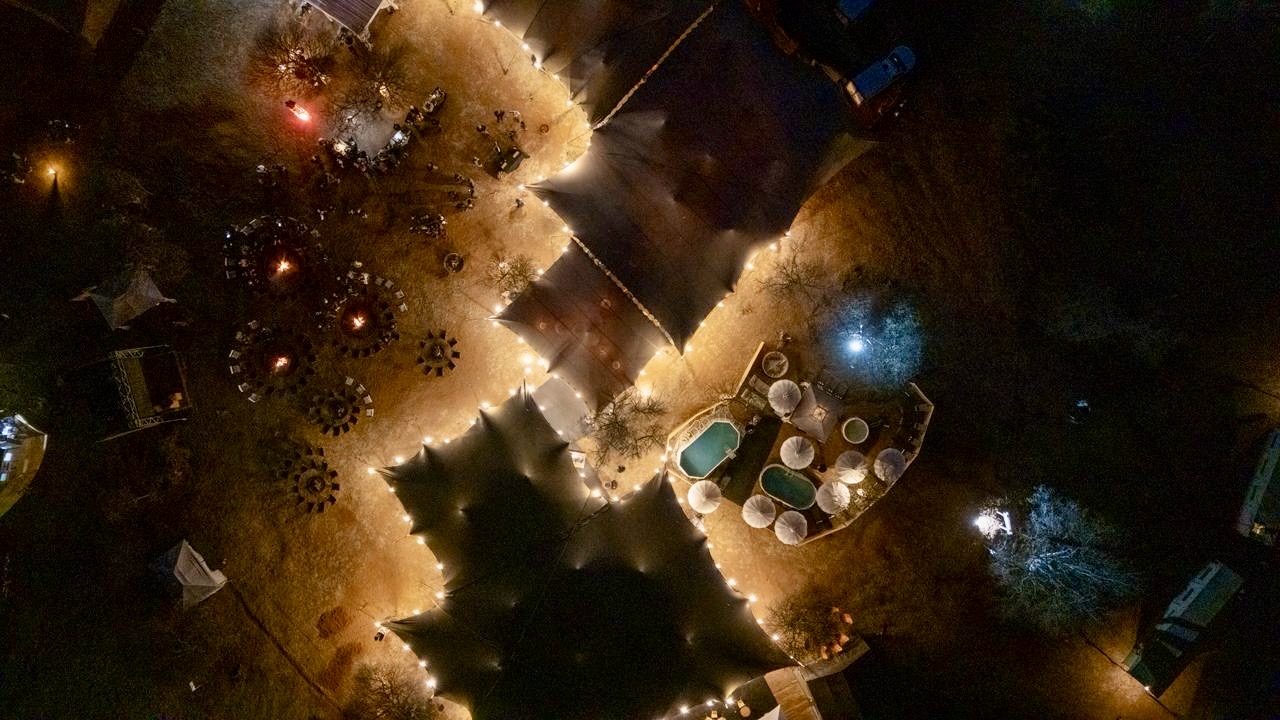
Outpost 28 – a bespoke 450-tent luxury safari camp – was erected at Mongena Private Game Reserve in Dinokeng specifically for the tour. It vanished just as quickly after the event. Named for 1928, the year the All Blacks first toured South Africa, the camp ran entirely off-grid and hosted about 950 guests across four rotations during the Gauteng leg from August 16 to September 4.
Old School Group CEO Gerhardi Odendaal says the brief came “a bit late in the day” in December, from Sodexo, which now fully owns Sports Travel & Hospitality Group, NZ Rugby’s official fan travel and hospitality partner.
When he saw the numbers involved, he decided to custom-build a camp close to Ellis Park and other Gauteng attractions rather than try to disperse guests across existing lodges.
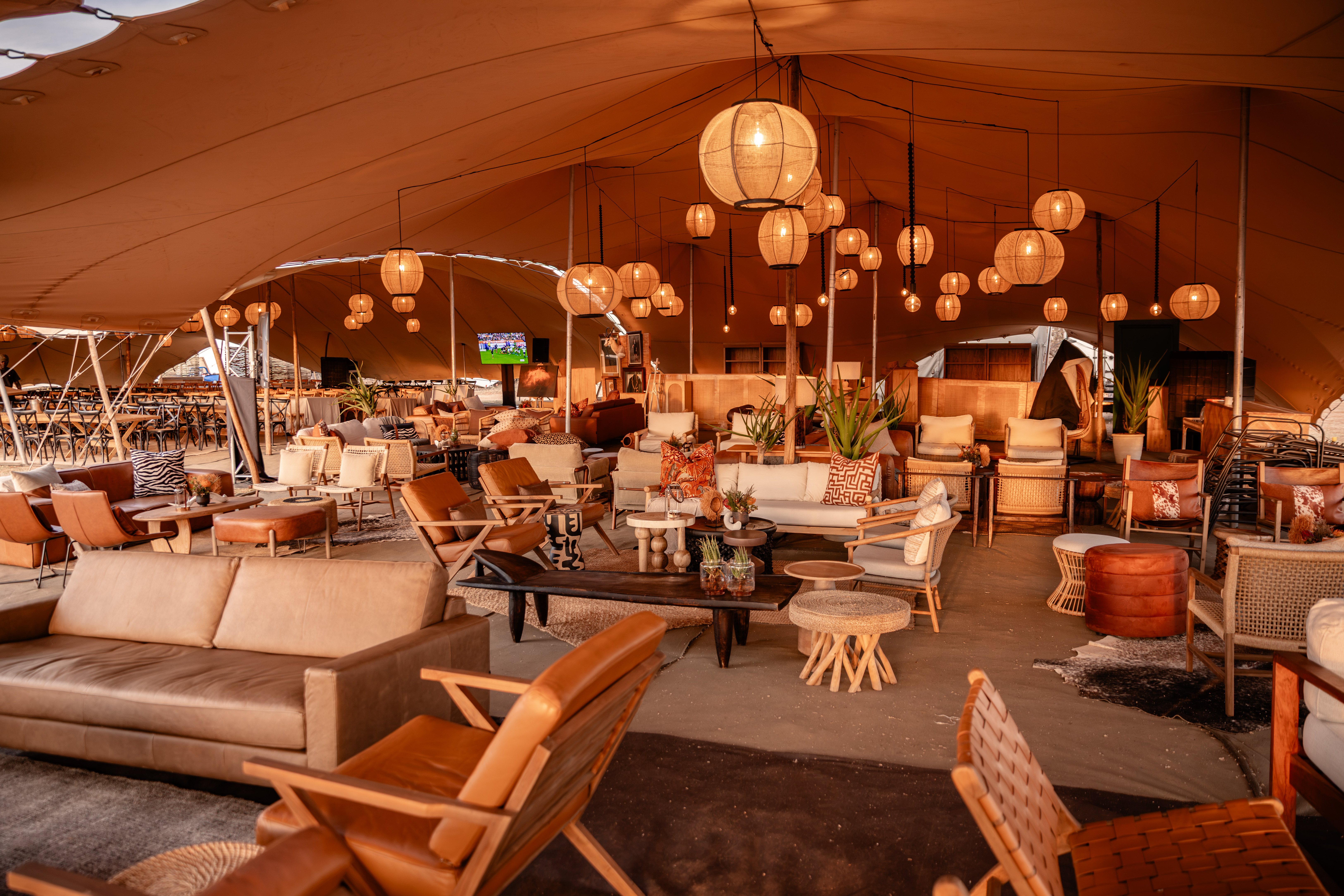
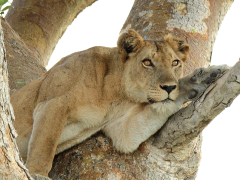
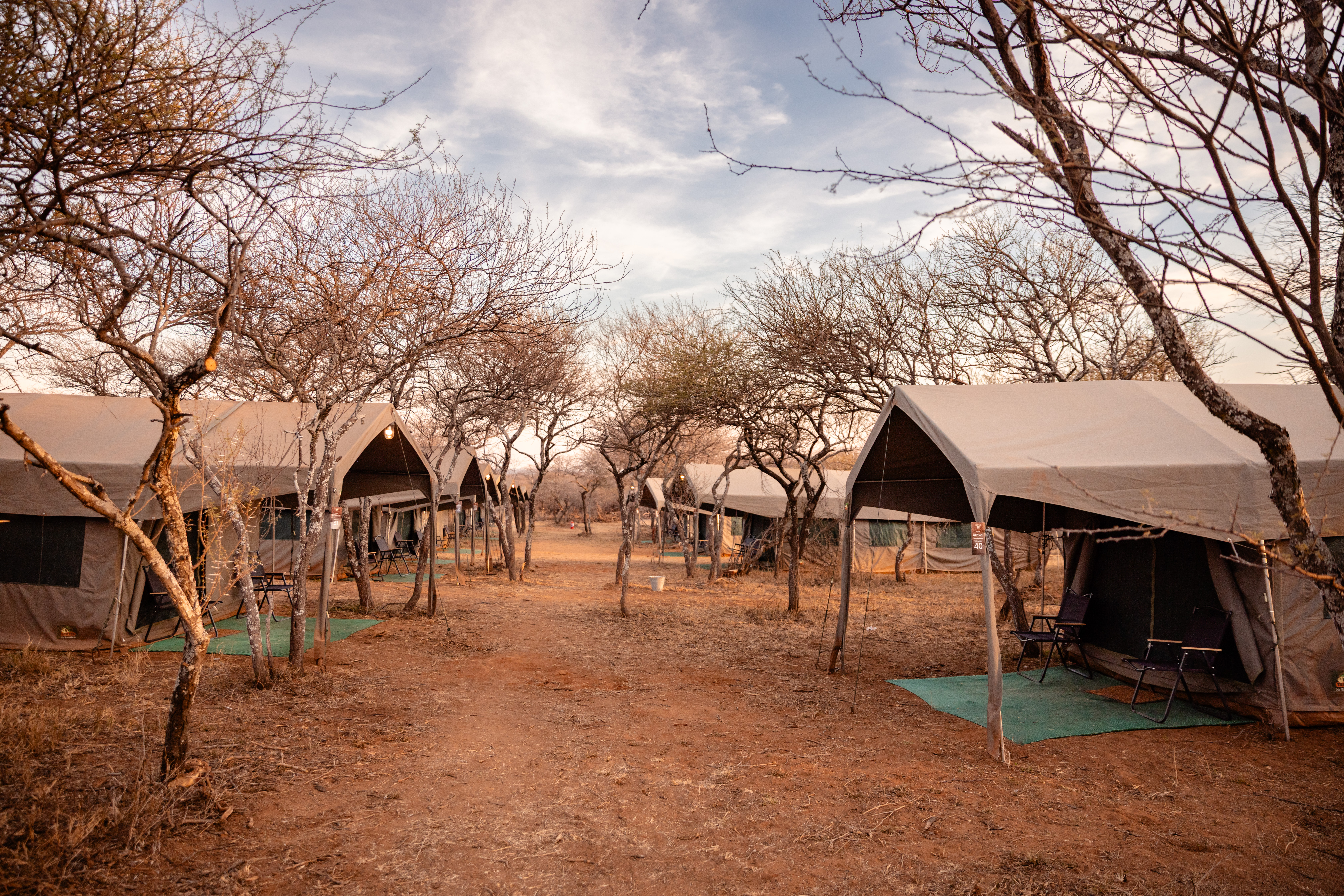
Construction took eight weeks to completion and cost around R20 million (US$1.2 million). The scale is striking: 450 tents across 2 500m² of stretch tenting, 1.1 million litres of water trucked in and heated via fire-fed “donkey” geysers, 2.2km of electric fencing, 27 000 labour hours, 11 250 meals served and more than 2 700 game drives – 80% delivered Big Five sightings. Guests moved through camp in rotations of 150, 200, 190 and 280.
Running a temporary luxury camp at this scale in the bush presented challenges beyond the build. Game rangers patrolled around the clock for safety and a field hospital was set up on-site to treat guests with colds in rainy Durban and a guest who required an ambulance transfer to an off-site hospital. A less predictable problem: when off-grid power cut out overnight, the team had to source UPS backup batteries to keep apnoea machines running for some guests.
Odendaal says careful pacing of the game drives – kept to two hours and properly staggered – was essential to avoid a “zoo-like” feel and to preserve a genuine safari experience. “The fact that nothing really went wrong is due to the professionalism of everyone involved in all these moving parts, which required thinking through in detail,” he says.
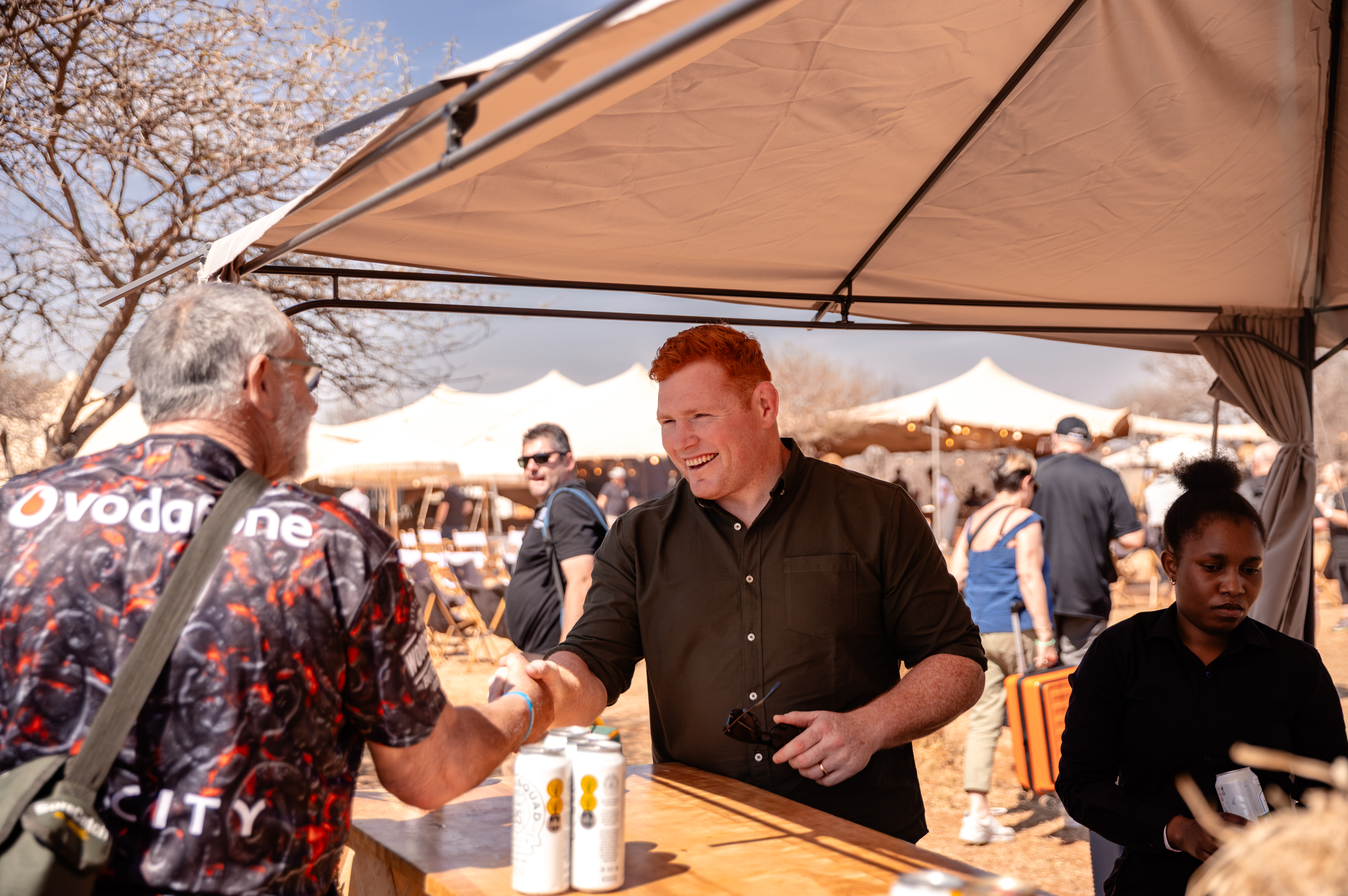
Outpost 28 was only one stop on a broader itinerary. Over more than a month, the touring group moved through Cape Town, the Winelands, Hermanus, the West Coast, Durban, Pretoria, Johannesburg, Sun City and Dinokeng – taking in Table Mountain, Robben Island, whale watching, wine estates, cultural sites and bush braais along the way.
Collectively, the programme generated almost 16 000 guest nights and an estimated R350 million (US$21.6 million) in economic activity for South Africa.