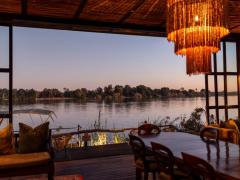
One of Kenya’s most closely watched conservation lawsuits took an unexpected turn after Maasai environmental activist and elder Meitamei Ole Dapash formally applied to withdraw his legal challenge against the newly opened Ritz-Carlton Maasai Mara Safari Camp.
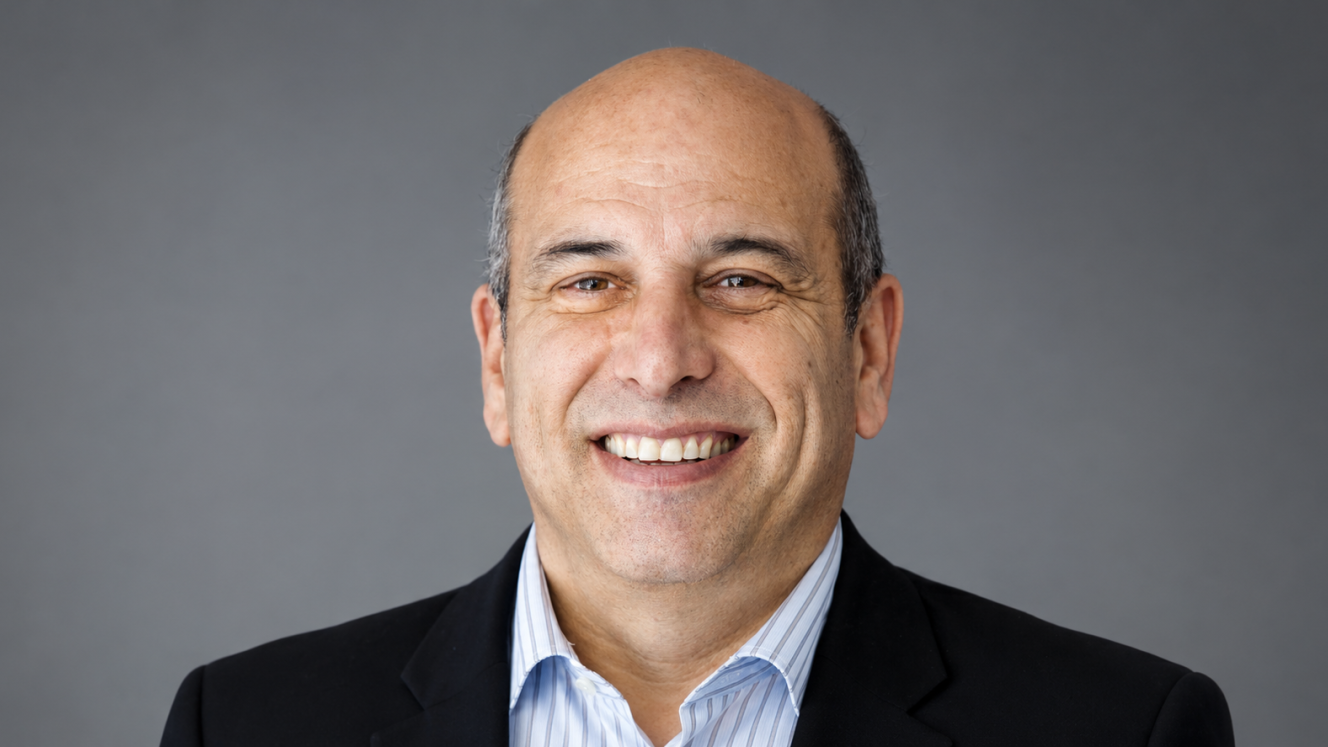
Dapash, who approached the court in August seeking to block the operationalisation of the luxury lodge, filed a notice of withdrawal through his lawyers. The filing offered no public explanation, stating only that the petitioner “wishes to withdraw the entire suit instituted by way of petition dated 8 August 2025 with orders as to cost”.
However, the withdrawal does not bring closure to legal proceedings. The case remains active in the Environment and Land Court because multiple respondents, including Narok County Government, the National Environment Management Authority, Kenya Wildlife Service (KWS) and the camp’s developers, Lazizi Mara, are still before the court.
In his original petition, Dapash argued that the camp’s location obstructs a critical migratory corridor and alleged that the project violated environmental and land use laws as well as the rights of local Maasai communities.
Dapash had sought conservatory orders to prevent the hotel from opening. The court declined, ruling that the matter raised broader public interest questions that required a full hearing rather than an interim halt. That decision allowed the camp to begin operations even as the legal battle continued.
KWS has defended the camp, stating: “The Ritz-Carlton safari camp is situated within a designated tourism investment low-use zone, as provided for in the Maasai Mara National Reserve Management Plan 2023-2032.”
The agency added that camps along the Mara, Sand and Talek rivers have historically coexisted with wildlife movements without blocking migration routes.
KWS also pointed to broader government commitments to protecting wildlife corridors, including Cabinet-approved plans to secure the Nairobi National Park-Athi Kapiti corridor, saying this reflected national resolve to safeguard migration pathways across the country.
Public opinion
Industry stakeholders remain divided on the Ritz-Carlton property and other development in the reserve.
Group Director of Operations for Pollmans Tours & Safaris, Mohamed Hersi, said: “When local investors such as Lazizi partner with a prominent international brand like Marriott, that is a step in the right direction. The Mara is facing serious challenges but blaming Ritz Mara for all of them is neither accurate nor fair.”
He also questioned the timing of the lawsuit, which was filed just days before the camp opened after nearly two years of construction. “If there were genuine environmental concerns, the appropriate time to go to court would have been at the environment impact assessment stage or when construction began,” he said, adding that many temporary seasonal camps in the area operate for months at a time without delivering lasting economic benefits.
By contrast, he said, the Ritz-Carlton camp provides formal employment and wider multiplier effects for the local economy.
Some conservationists disagree. Wise Oloishorua, a conservation advocate and community representative from the region, says the controversy has exposed deeper governance failures.
“The Maasai Mara is still a globally important destination but it is at a very sensitive crossroads,” he said. “There is pressure on ecosystems, unregulated developments, weak enforcement and a growing disconnect between conservation decisions and the Maasai people who have lived with this land for generations.”
He argues that legal compliance is increasingly being prioritised over ecological reality, pointing to concerns that some luxury camps are being built too close to wildlife corridors. “If illegal developments are not stopped and the law is not enforced equally, the Mara will continue to die under the weight of profit-driven tourism,” Oloishorua said.
Oloishorua noted that the Ritz-Carlton case is not an isolated incident but rather the symptom of a deeper crisis unfolding in one of Africa’s most famous wildlife landscapes.
“The Maasai Mara remains a globally important and attractive destination but it is also at a very sensitive crossroads,” Oloishorua said. “Wildlife viewing is still exceptional and tourism continues but there are underlying issues that cannot be ignored if the Mara is to remain sustainable in the long term.”
He says those concerns include growing pressure on fragile ecosystems, unregulated developments, overuse of certain zones, weak enforcement and an increasing disconnect between conservation decisions and the Maasai people.
“In the short term, these controversies damage the image of the Maasai Mara as a well-managed, world-class conservation destination,” he said. “Tourists today are highly conscious of sustainability, legality and ethics. When news of court cases, illegal developments and governance conflicts emerges, it creates uncertainty. Visitors hesitate, tour operators rethink their plans and conservation partners become cautious.”