As AI becomes more deeply embedded in conservation and safari operations, questions are emerging about whether real-time wildlife tracking could inadvertently fuel overcrowding at sightings.
However, industry experts say the risk of AI-driven oversaturation is often a misconception with management practices, not technology, remaining the decisive factor.
Mohanjeet Brar, MD of Gamewatchers Safaris & Porini Safari Camps and Co-Founder of EarthAcre, told Tourism Update that, while AI is transforming conservation, it is far from a predictive tool that could direct masses of tourists to specific animals.
“Having worked for over two decades in conservation tourism across the Maasai Mara and Amboseli ecosystems, my view is that AI has real potential to improve conservation outcomes but it isn’t a silver bullet and must be used responsibly.”
Brar explained that AI is already proving valuable in wildlife monitoring, particularly through camera traps and satellite analysis, enabling faster identification of species and improved ecosystem management. However, he stressed that wildlife movements remain too complex for precise real-time predictions.
“Wildlife systems are highly dynamic and influenced by rainfall, prey distribution, human activity and many other variables. AI can identify patterns but it cannot precisely predict where animals will be at any given moment. Conservation still relies heavily on field expertise, ecological knowledge and community engagement.”
Brar believes there is a misconception that AI could lead to major overcrowding at wildlife sightings.
“In reality, in busy parks such as the Maasai Mara National Reserve, vehicles already converge quickly at significant sightings through guide radio communication and mobile phones. The real determinant of sustainable tourism is not technology but how tourism is managed.”
He pointed to Kenya’s conservancy model as a benchmark where strict limits on vehicle numbers and guest density ensure controlled tourism, regardless of technological advances.
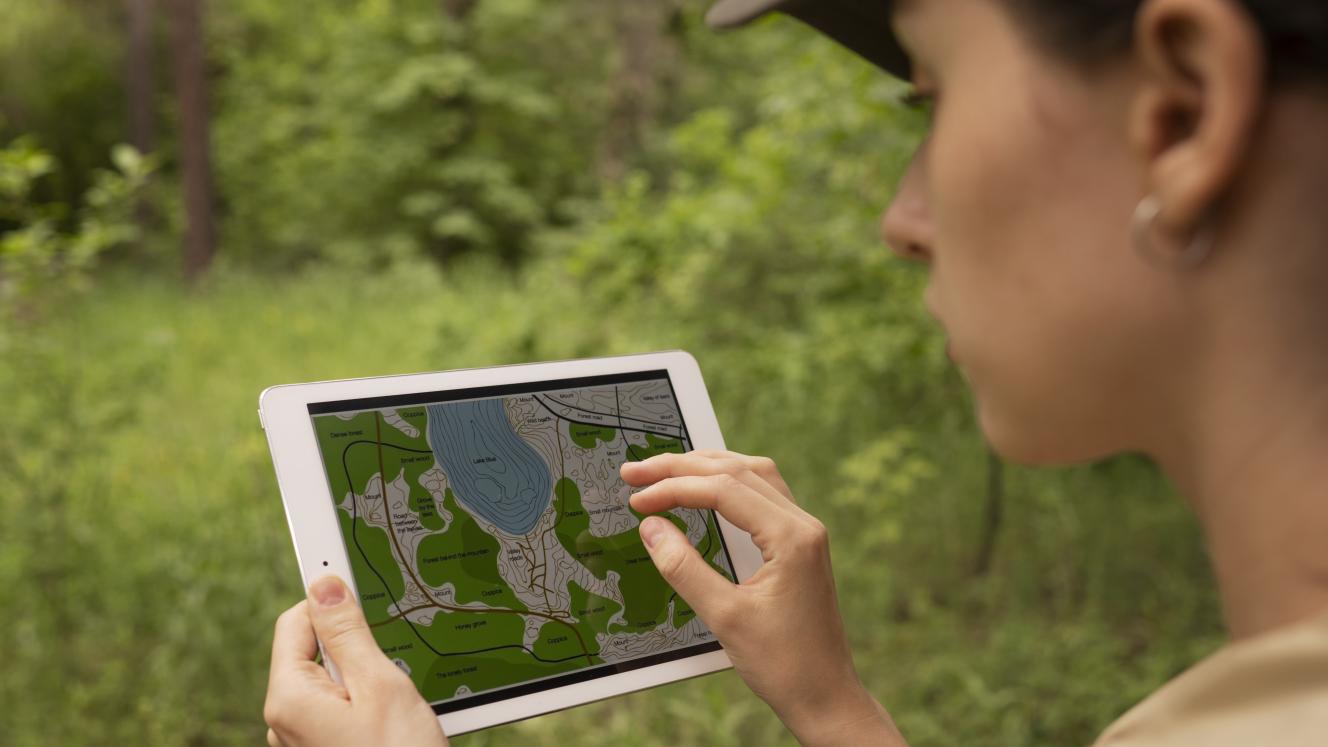
“Tourism operators should therefore treat AI as a management tool rather than a wildlife-finding tool. It can help understand habitat trends, monitor ecosystems and improve conservation planning but real-time wildlife location data for some species should not be openly shared with tourists. There should absolutely be limits on the distribution of precise wildlife location data.”
Sensitive information about endangered or vulnerable species should remain within professional guide networks and conservation management teams, Brar added.
“Overcrowding around wildlife isn’t caused by AI – it’s caused by how tourism is managed. Good rules, well-trained guides and controlled tourism density will always matter far more than technology.”
Research benefits
From a field research perspective, Adam Bannister, South African-trained biologist, safari guide, author and storyteller, who specialises in tourism and conservation, said AI’s most immediate impact lies in processing vast datasets rather than guiding tourists to animals.
“It's going to have a big impact on research as a whole. It'll make researchers more thorough, faster, more rapid and more complete. From a tourism point of view, I’m not sure that that will have any impact.”
Bannister, who works extensively with camera traps, said AI is helping researchers analyse thousands of images weekly, including identifying individual animals through features such as elephant ear patterns. However, he downplayed the likelihood of this translating into real-time tourism advantages.
Instead he flagged a different and potentially more serious risk: differentiating reality from fake news. He also highlighted the importance of safeguarding sensitive location data, particularly for vulnerable species.
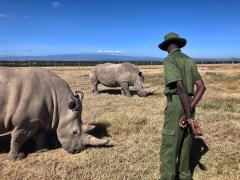
“You don’t want to be collaring and working with a rhino, working with a wild dog, working with a pangolin and that data falls into the wrong hands.”
Bannister suggested that consumer technology could play a role in protecting wildlife such as disabling geotagging when photographing certain species.
Alex Walker, Owner of Alex Walker Serian Camps, said AI currently has little impact on day-to-day safari operations.
“For ourselves, I don’t feel that there is any real change to good old feet on the ground. There is an app following 36 collared wildebeest out of 1.4 million or so. It gives a very general picture, more useful when looking at the annual picture rather than the here and now.”
Access to sensitive tracking data remains tightly controlled, Walker added.
“Most sensitive data on elephant, rhino or lion is kept by the researchers and we may come across collared animals but the signal is not for our game drive usage.”