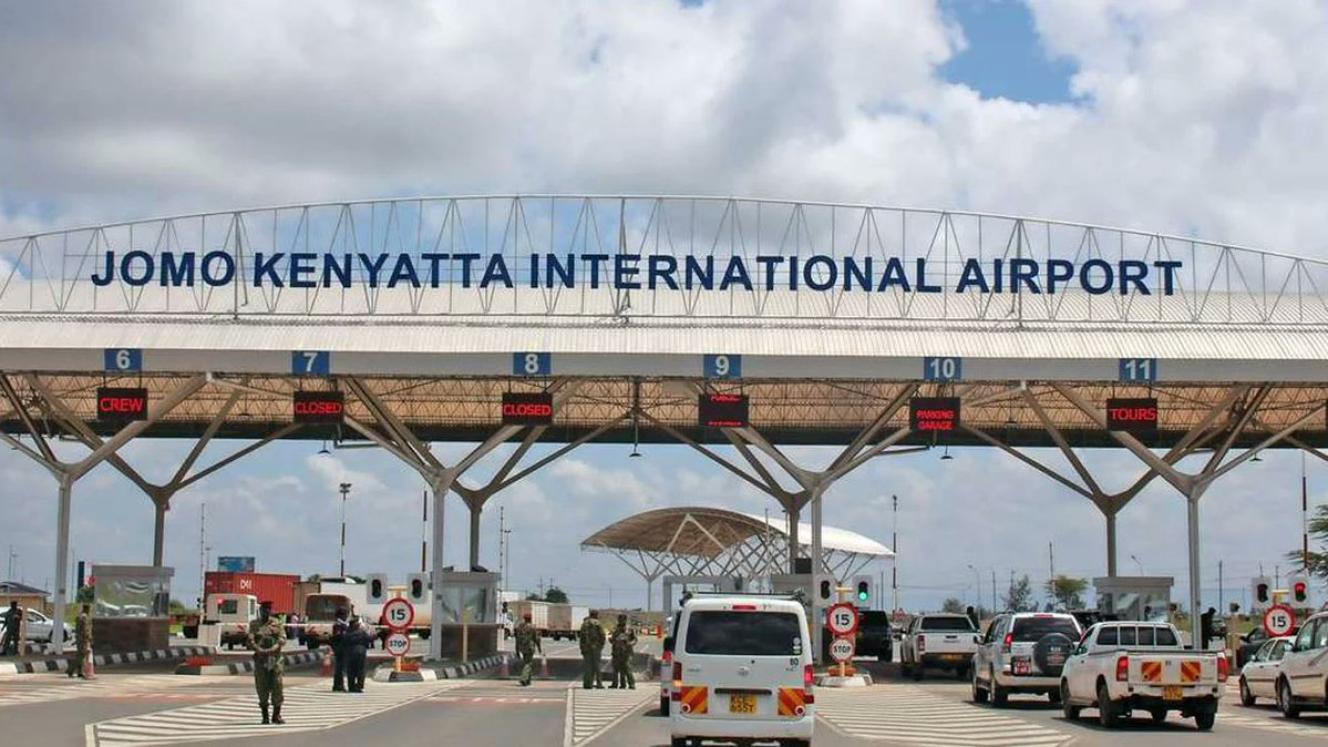
Aviation workers in Kenya returned to duty on the second day of a strike that disrupted operations at Jomo Kenyatta International Airport (JKIA) in Nairobi, easing fears of prolonged disruption at one of Africa’s busiest transport hubs.
The industrial action, led by the Kenya Aviation Workers Union (KAWU), triggered flight cancellations, delays and diversions, leaving some passengers stranded for more than 20 hours. The strike particularly affected air traffic control services, effectively grounding domestic and international operations.
The Transport Ministry convened urgent talks between unions, regulators and sector stakeholders, paving the way for a temporary resolution. Transport Cabinet Secretary Davies Chirchir said the government is committed to restoring stability.
“Aviation contributes immensely to the economy of the country and we are committed to ensuring that the sector remains stable,” he said after the meeting.
KAWU had issued a strike notice the previous week, citing unresolved salary concerns and poor working conditions. According to Secretary General Moss Ndiema, the action stemmed from “the failure by the Kenyan aviation authority to conclude a collective bargaining agreement on salary concerns and issues related to working conditions”.
Workers accused the Kenya Civil Aviation Authority of stalling salary negotiations, delaying union remittances and discriminating against unionised staff. They further alleged that management has shown little urgency in resolving labour grievances that have persisted for years.
A recurring issue
The dispute is not new. Aviation sector strikes in Kenya have recurred periodically over the past decade – often centred on pay reviews, staffing shortages and governance concerns within regulatory bodies and airport management. Air traffic controllers argue that their salaries were last comprehensively reviewed more than 15 years ago.
In past disputes, workers have also raised concerns about privatisation plans, operational restructuring and the perceived marginalisation of technical staff in decision-making processes. Each cycle has followed a familiar pattern: strike notices, last-minute negotiations, court interventions and temporary truces without a long-term structural solution.
Tourism impact
Tourism industry leaders warn that even short disruptions carry significant economic consequences. Group Director of Operations for Pollmans Tours & Safaris Mohammed Hersi welcomed the return to work but cautioned against complacency.
“The sector has worked hard to rebuild momentum post-pandemic and the results have been encouraging. 2025 was a great year and 2026 is bound to be even better,” he said. “But how can we realistically grow visitor numbers if our airspace is unreliable?”
Confidence is fragile, Hersi added. “When flights are disrupted, the ripple effects go far beyond the airport.”
Beyond tourism, Nairobi’s status as a regional hub is also at stake. “JKIA serves as a gateway to East and Central Africa, supporting transit passengers, trade and the operations of the national carrier. Repeated labour unrest risks eroding that competitive edge,” said Hersi.
“If salaries have not been reviewed in over a decade, that suggests a lapse in proactive governance,” Hersi added.