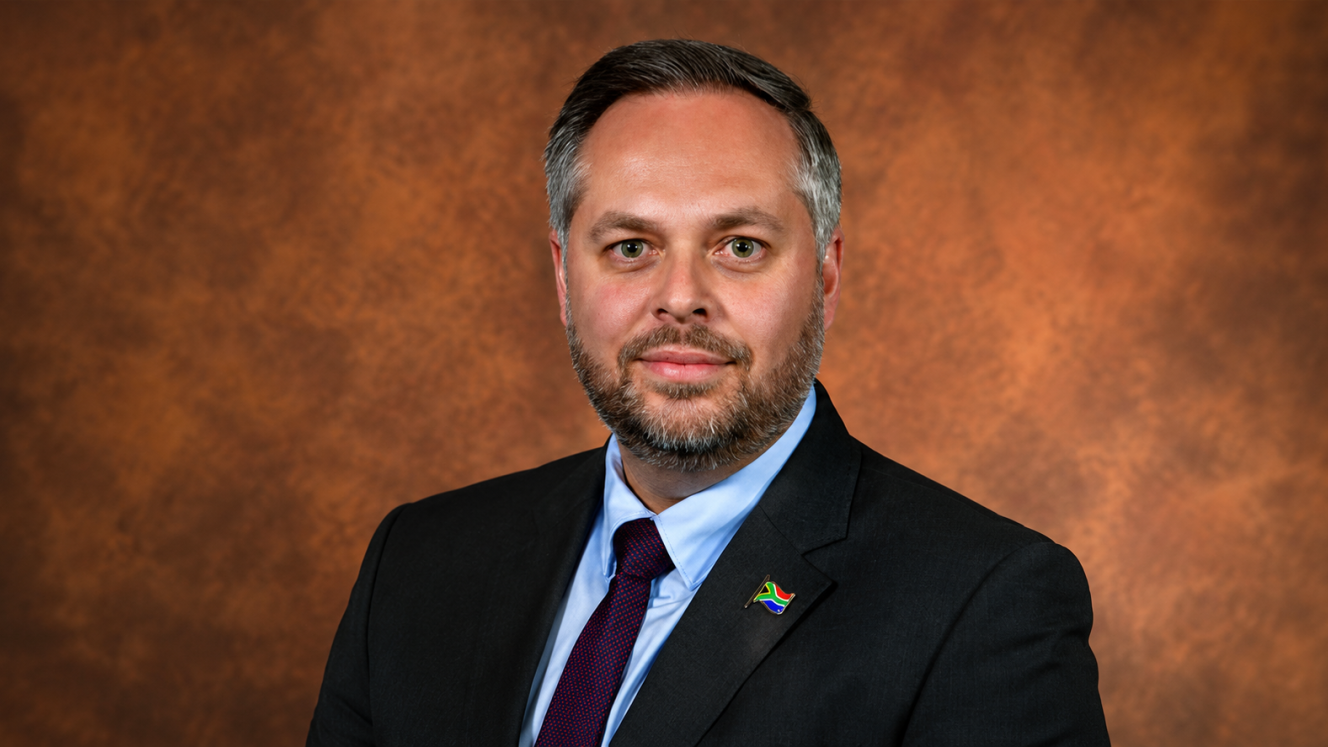
South Africa’s candidacy as UNWTO Executive Council Member was announced last week by Minister of Tourism, Marthinus van Schalkwyk, at the 8th National Tourism Conference held in Johannesburg.
At the 18th General Assembly of the United Nations World Tourism Organisation (UNWTO) held in Kazakhstan earlier this month, South Africa was elected to the Executive Council of the UNWTO as an African representative.
South Africa’s election follows an absence of ten years from the Executive Council said van Schalkwyk. “During this four-year term, South Africa will use its position to advance Africa’s development agenda and the objectives of the New Partnership for Africa’s Development (NEPAD).We will also actively work towards the realisation of the Millennium Development Goals (MDGs) because we, as an African country, regard tourism as pivotal to unlocking greater economic growth, infrastructure development, trade promotion and job creation on our continent.”
Hosting the first meeting of G20 tourism ministers In Kazakhstan, the ministerial representatives from the G20 countries also met to discuss tourism’s contribution to the economic stimuli required for the recovery of the global economy. It was agreed that tourism should be further mainstreamed in global economic decision making.
“Against this background, South Africa’s offer to lead and host a first meeting of the G20 tourism ministers was welcomed. I can today announce that this meeting will take place from February 22-24 2010 in Gauteng under the theme Travel and tourism: Stimuli for G20 economies,” said van Schalkwyk.
UNWTO/SA International Summit
Van Schalkwyk further announced that South Africa would be the proud hosts of an UNWTO/South Africa Summit on Tourism, Sport and Mega-events from February 24-26 in Sandton. The summit will be held parallel to the annual Meetings Africa.
The summit will provide a forum to consider the impact of mega-events - particularly sports, cultural and entertainment events, business tourism, international conferences and major exhibitions - from a tourism perspective.
“It is highly relevant because of the positioning of such events in the national development strategies. It is prompted by the growing number of such events at a global level, and the economic, social and environmental consequences for host nations. In addition, these events entail massive multimedia opportunities, which can be used amongst others to brand nations and promote exports,” said van Schalkwyk.