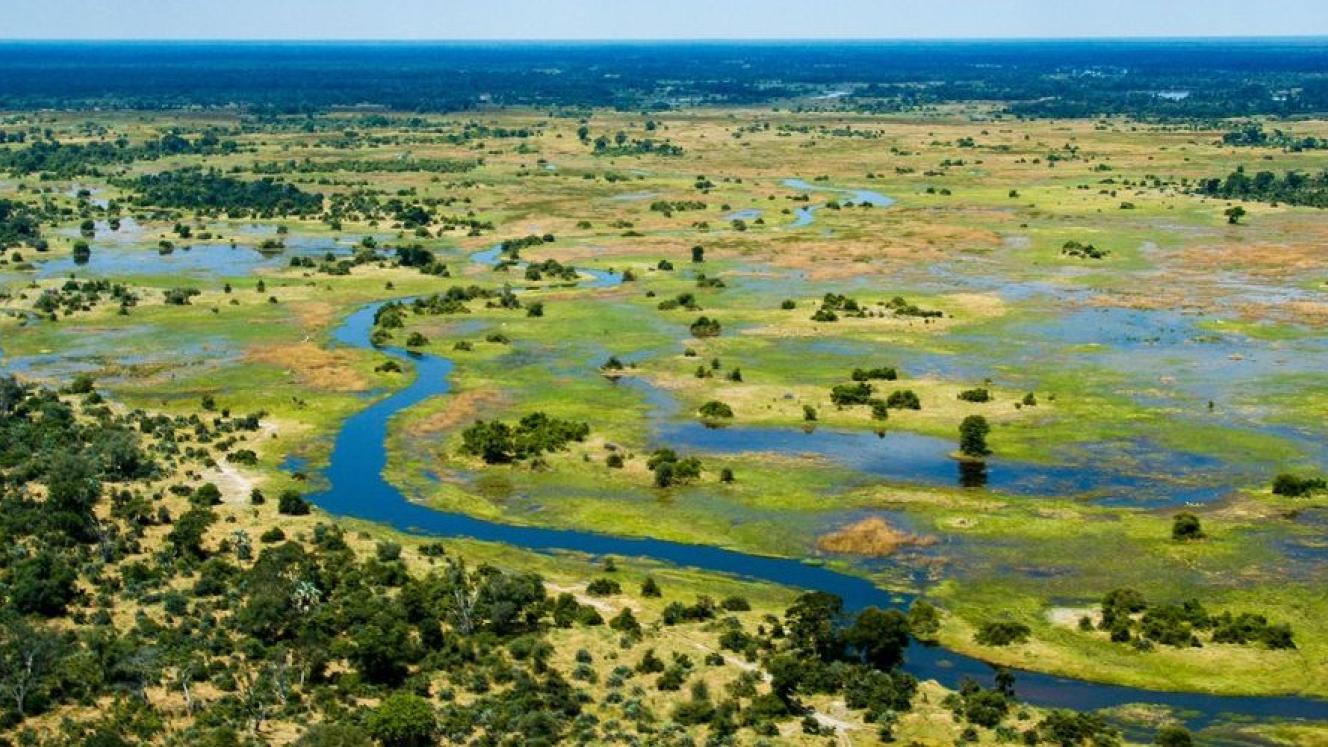
A high-water year in northern Botswana is expected to reshape safari experiences with the Okavango Delta at the centre of an unusually dynamic and widespread inundation driven by strong rainfall in the Angolan Highlands and locally within the region.
Industry players say the system remains highly variable but agree that this year’s conditions reflect a powerful convergence of upstream inflows, local rainfall and already saturated ground conditions following a strong 2025 flood.
Simon Stobbs, Wilderness Chief B2B Sales Officer for South Africa, described the phenomenon as “a wonderful thing”.
“Seeing a lot of water in the Okavango Delta is a natural wonder and those who are fortunate to see it this year, particularly when viewed from the air, will be amazed by its beauty,” he told Tourism Update.
However, it will only become clear at the end of the season how rare the phenomenon is: when the full impact of the flood can be properly assessed, Stobbs added.
Complex
The Delta’s annual inundation is driven primarily by rainfall in the Angolan Highlands but this year’s conditions have been amplified by strong local rainfall creating a complex situation.
Chris Roche, Co-Founder and Marketing Director of Wild Expeditions Africa, explained that the Okavango inundation is a nuanced phenomenon driven by several factors, adding that “no two years are alike in terms of extent of flood, specific area of flood, timing of flood and so on”.
A primary factor is the amount of rainfall falling in the Okavango catchment in the Angola Highlands over the summer months and flowing into the Okavango Delta over the drier winter months, which is the primary driver of the so-called flood or inundation. “In general, the higher the rainfall in Angola, the higher the flood in the Delta. This happens to a greater or lesser extent every year and is the reason this ecosystem exists,” says Roche.
A secondary driver is the amount of rainfall in the Okavango Delta over the summer months. “Heavy rainfall here saturates the ground and amplifies the incoming floodwaters from Angola. Low rainfall leaves the ground parched and the incoming floodwaters are more rapidly absorbed by the ground, resulting in a less extensive flood,” says Roche.
Also important to consider is the level of flood in the prior year and what this means for the status of the ground and/or waters of the area when the summer rain falls.
In 2026, Roche explained, there has been an intersection of three factors:
- The Okavango had exceptional localised rainfall in January, February and March.
- The extent of the 2025 flood was fairly wide.
- Rainfall in the Angolan Highlands has been fairly significant.
“As a result, the ground has been saturated for most of 2026 and the incoming waters from Angola are spreading more quickly and more widely. This has led to high water levels in specific parts of the Delta already with an expectation, from insight into river and flow levels upstream at Divundu and Rundu, that this year’s flood will be extensive,” said Roche.
“Nonetheless, it is worth remembering that significant evaporation will take place in parts of the Delta before the Angolan floodwaters reach those locations so the effect and extent imagined or predicted now may not transpire to the same degree.”
Shifting dynamics
Higher water levels are expected to shift the balance between land- and water-based safari activities.
Stobbs said there will be more opportunities for water-based activities although it depends on the area and where the water will ultimately flow.
Roche noted that visitors in the Delta this year are going to have the privilege of seeing an exceptional landscape.
“They’ll see how the system and wildlife are adapted to these conditions and they will have wildlife experiences and sightings that are not possible anywhere else on the continent,” he said.
This is a “classic” Okavango year where the wetland comes alive as floodplains are inundated and the balance between land and water shifts, added Roche.
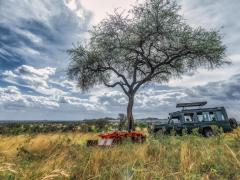
He said this changes the mix of activities with game drives becoming partly restricted to higher-lying islands or adjacent to the floodplains while boating and mokoro experiences expand into newly accessible areas, offering unique ways to explore the Delta.
From a wildlife perspective, impacts will vary by location. “Some wildlife will move out of areas that are flooded and more towards drier regions,” said Stobbs.
Logistics
Operators said higher water levels bring logistical challenges, particularly around access and supply.
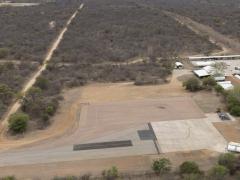
“Many goods are driven into camps. Where water levels are high, we are improvising and, in some cases, delivering supplies to camp by boat. For guest movements, where airstrips are flooded and camps are in remote areas, we often need to transfer people with helicopters,” said Stobbs.
How should the trade respond?
Roche believes the trade needs to focus on itinerary design, manage expectations and celebrate the Delta for what it is.
“More than ever for northern Botswana, which has been such a hallmark of the industry for so long, each itinerary must be a combination of different ecosystems,” he said.
“In the Delta, this means mixing a ‘land’ camp with a ‘water’ or ‘combination’ camp. It also means the dry land areas of the Kwando-Linyanti system and the Kalahari to the south and south-east of the Delta are even better balances for the wetland experience of the Okavango.”
The industry needs to celebrate this year’s inundation and really appreciate the changes it has brought rather than bemoan reduced game viewing areas, added Roche.
“This year’s flood is not a catastrophe but rather something to be celebrated and enjoyed.”