Namport has reported growth in cruise activity over the past two seasons with forward schedules indicating a further increase in 2026.
Speaking to Tourism Update, a Namport spokesperson said the port authority recorded 11 cruise vessel calls during the 2023/2024 passenger liner season and 16 calls in 2024/2025, reflecting “a positive upward trajectory in cruise activity”.
The spokesperson added: “The increase between the two seasons signals renewed confidence in itineraries along the African west coast corridor.”
Cruise activity remains largely seasonal, typically concentrated between October and April, in line with Southern Hemisphere summer routing patterns. While volumes continue to be shaped by global fleet deployment decisions and international market dynamics, the growth from 11 to 16 calls demonstrates strengthening demand signals and sustained inclusion of Namibia in regional itineraries.
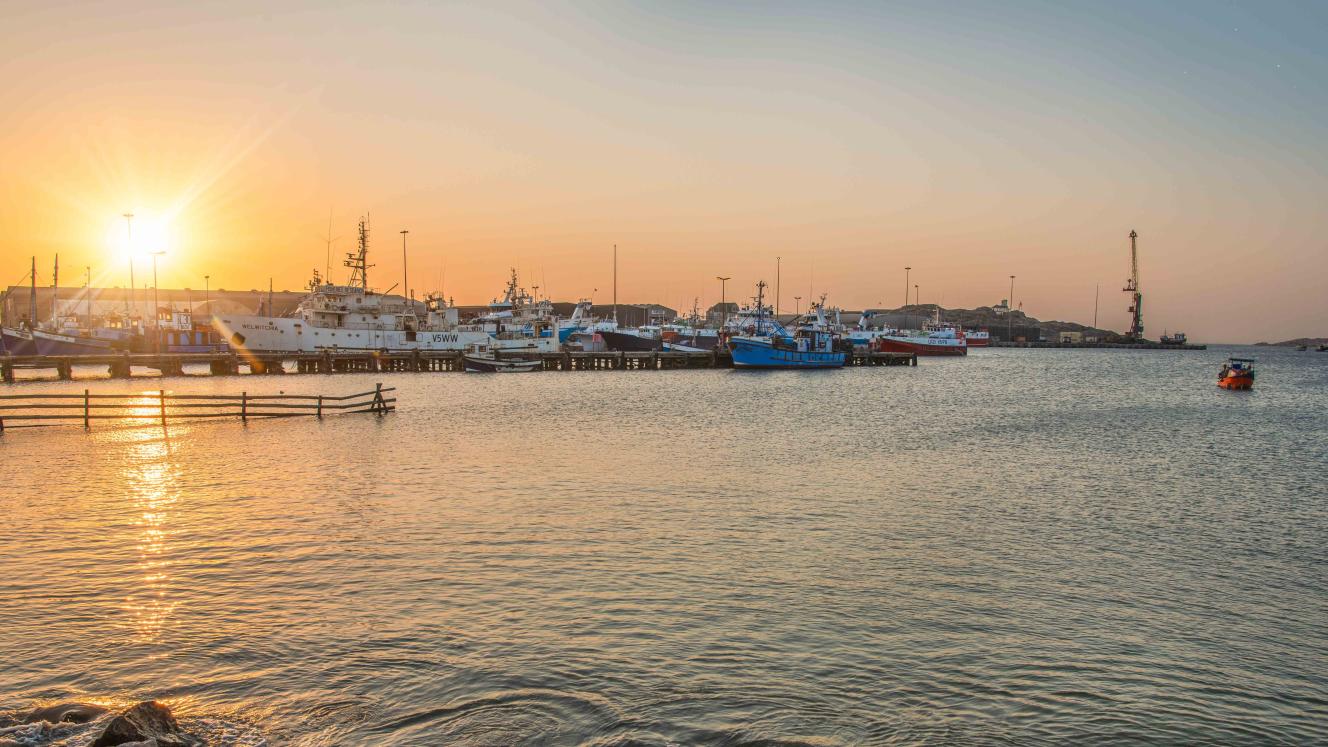
Published forward schedules indicate 34 cruise vessel calls expected across both ports in 2026 (21 at Walvis Bay and 13 at Lüderitz).
“While cruise deployments are finalised by operators and remain subject to adjustment, forward scheduling of this scale reflects continued interest in Namibia as a stable and attractive port of call along the African coastline,” the spokesperson said, adding that this positions Namibia to transition from accommodating cruise traffic to shaping higher-value onshore engagement models.
Local spend
Cruise passengers currently contribute to local spend through organised shore excursions, transfers, hospitality, retail and craft markets. However, Namport noted an opportunity to deepen spend per visitor by strengthening product packaging for short dwell times, seamless payments and pricing transparency and integration of authentic local experiences.
“Given compressed port call windows, well-structured, time-disciplined, high-impact experiences are critical,” the spokesperson said.
Model elevation
Namibia’s formalised MICE framework, led by the Namibia Tourism Board, has been identified as a potential extension into cruise tourism. The spokesperson said the structured ecosystem provides a regulated platform for local businesses to participate meaningfully in tourism value chains.
“Cruise calls can be positioned as micro-MICE activation opportunities, curated, high-quality cultural showcases designed specifically for cruise passengers within defined time windows,” the spokesperson said. Potential activities include professionally staged cultural performances, culinary showcases and tasting experiences, craft beverage activations, storytelling and heritage presentations and curated artisan markets operating within regulated standards.
According to Namport, this approach would diversify cruise product offerings, create structured participation platforms for Namibia Tourism Board-registered MICE operators, stimulate localised economic activity within a formalised framework and strengthen Namibia’s positioning as an organised experiential destination.
Stronger small and medium-sized business participation can be achieved through pre-arrival coordination and listing of credible operators for cruise line consideration, quality and safety readiness, curated vendor participation at approved port-adjacent activation zones and collaboration between port authorities, tourism bodies and municipalities.
Practical recommendations
For operators, Namport recommends focusing on short-format, high-impact experiences with punctual logistics, pre-bookable products with transparent inclusions, operational reliability, multilingual guiding where possible, digital payment capability and bundled partnerships to scale professionalism.
“Namibia’s cruise sector is entering a phase of qualitative opportunity, not merely quantitative growth,” the spokesperson said, citing the projected increase in vessel calls and the formalised MICE framework as an opportunity to enhance economic retention, strengthen small and medium-sized business participation and reinforce the country’s brand positioning.