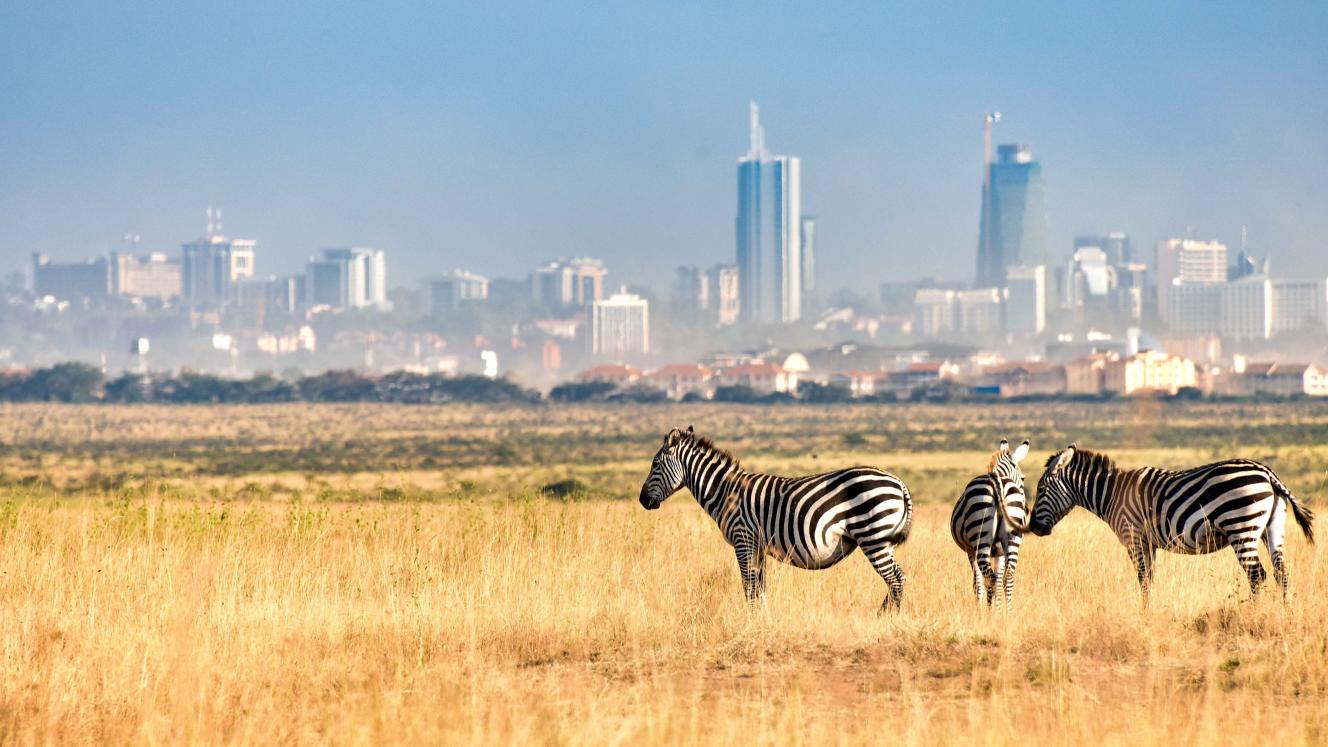
A dispute has emerged about plans to develop new facilities inside Nairobi National Park with environmental groups raising the alarm against, as they describe it, the destruction of a protected forest ecosystem.
Friends of Karura Forest has publicly backed Friends of Nairobi National Park in calling for an immediate halt to the clearing of approximately 100 acres of upland forest within the park.
The groups say on-site reports confirm that tree felling and land clearing began about a week ago. The inclusion of extensive parking infrastructure, in particular, has raised concerns about the potential shift towards mass tourism within a protected ecosystem.
Critics also question whether alternative locations outside the park boundaries were sufficiently considered, especially given Nairobi’s growing urban footprint and the increasing pressure on protected areas.
According to the conservationists, the development, led by the Kenya Wildlife Service (KWS), is intended to host a new Nairobi Animal Orphanage alongside a wildlife hospital and associated facilities. However, they argue that the scale of the project raises serious ecological concern, particularly the inclusion of a large parking area reportedly designed to accommodate up to 1 300 vehicles.
“This is a designated low-use zone under the Nairobi National Park Management Plan 2020-2030,” the groups said in a joint statement. “It is meant to safeguard critical wildlife habitats including those of lions, rhino, Maasai giraffes and endangered bird species.”
The low-use zone designation typically restricts intensive infrastructure development, preserving sensitive habitats and maintaining ecological balance within the park.
“Protecting Kenya’s forests, national parks and natural ecosystems requires vigilance, transparency and collective action,” they said. “The future of Kenya’s forests and wildlife depends on it.”
The dispute comes just weeks after the Kenya Forest Service was forced to clarify ongoing construction activities within its headquarters at Karura Forest, another key green space in the capital.
In response, the KWS dismissed claims of environmental destruction as “misleading, unfounded and inflammatory” – insisting that the project is lawful and necessary.
The KWS confirmed that the works are part of a planned relocation and upgrade of the Nairobi Animal Orphanage, a facility established in 1964, which has long served as a centre for the rescue, rehabilitation and care of injured or orphaned wildlife.
According to the KWS, the current orphanage no longer meets modern animal welfare standards due to increased visitor numbers, growing demand for wildlife rescue and evolving global benchmarks.
“The relocation and upgrade of the Nairobi Animal Orphanage is a carefully planned, forward-looking initiative,” the KWS said in a statement. “It is aimed at enhancing wildlife conservation, animal welfare, conservation education and visitor experience.”
The KWS maintains that the project is fully compliant with Kenyan law and environmental regulations. It is anchored in the Wildlife Conservation and Management Act, which mandates the agency to conserve wildlife while upholding high standards of animal welfare.
An environmental impact assessment (EIA) was conducted under the Environmental Management and Coordination Act and a project report was submitted to the National Environment Management Authority. The authority subsequently approved the development and issued an EIA licence in December 2025, following stakeholder consultations that included a workshop in October the same year.
The new facility will feature modern infrastructure, including larger and more natural enclosures, a fully equipped veterinary hospital with surgical capacity, quarantine and nursery units and designated animal release areas to support rewilding, according to the KWS.
The project also promises improved visitor amenities such as walkways, rest areas, sanitation facilities and controlled parking as well as sustainable waste management systems and outdoor learning spaces for conservation education.
The KWS expects the development will create over 500 direct jobs and additional opportunities for service providers.