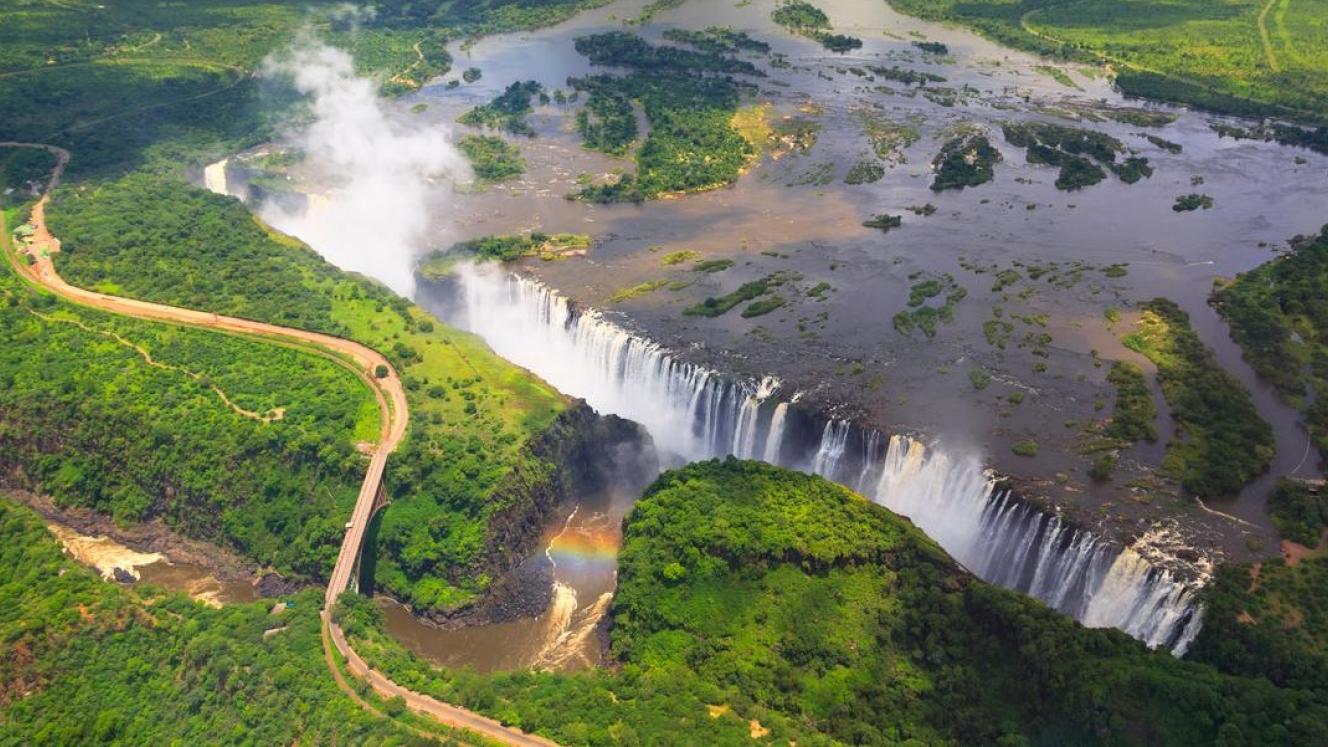
Conservation concerns about tourism developments at the Victoria Falls World Heritage Site have intensified with campaigners calling for a moratorium on new projects within the protected area and surrounding buffer zone.
A new report by conservation campaign group Keep Victoria Falls Wild raises concerns about the management of the transboundary site shared by Zimbabwe and Zambia, arguing that recent tourism developments within an area campaigners describe as a “no new development zone” could threaten its ecological integrity.
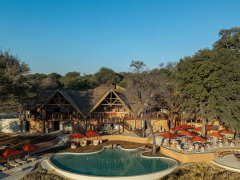
Among the developments highlighted are Baines Restaurant and “Rock Pool” facilities on the Zimbabwean side of the falls as well as a proposed riverside tree lodge development reportedly linked to the InterContinental Hotels Group luxury Six Senses brand.
The report calls for the rejection of the recently submitted Draft Joint Management Plan for the site, claiming it contains “contradictions, errors and missing details” around zoning and permitted developments. It also urges the World Heritage Committee should consider placing the site on the List of World Heritage Sites in Danger should the concerns not be addressed.
In response, the Zimbabwe Parks and Wildlife Authority (ZimParks) defended its oversight processes, stressing that tourism development and conservation must coexist.
“ZimParks’ view is that tourism can be sustainable when it is properly planned, regulated, environmentally compliant and designed to include local communities,” Luckmore Safuli, PR Manager at ZimParks, told Tourism Update.
“Sustainability depends on ongoing monitoring, enforcement and adaptive management – not on development alone. ZimParks remains committed to ensuring that tourism growth does not compromise conservation outcomes or the integrity of the World Heritage Site.”
Safuli said tourism developments within protected areas are subject to ecological feasibility assessments and environmental and social impact assessments approved by the Environmental Management Agency.
Regarding Baines Restaurant, he said the matter is currently under judicial consideration and ZimParks is therefore unable to provide detailed comment.
The Rock Pool concept and its operations were developed with strong emphasis on community inclusivity and responsible access, he added.
“The project aims to create a space where community members can enjoy the beauty and benefits of the area while ensuring environmental sustainability. In addition, the project obtained the applicable approvals and followed the environmental impact assessment (EIA) processes required for the activity.
“Initiatives like Rock Pool were created to ensure that local residents who cannot afford subscription-based access, such as membership fees for private boat clubs, have inclusive access to the riverside experience,” Safuli said.
On the proposed riverside tree lodges reportedly associated with Six Senses, Safuli said ZimParks has no official confirmation of the project and could not provide updates “on a project that is not within its confirmed, authorised pipeline”.
ZimParks also maintained that it remains aligned with UNESCO obligations through adherence to World Heritage Convention operational guidelines, joint site management committees between Zimbabwe and Zambia, environmental compliance measures and regular monitoring of tourism impacts.
Andrew Lane, Owner of Baines Restaurant and CEO of Victoria Falls Investments, strongly rejected claims that the development has harmed the World Heritage Site.
“Baines Restaurant obtained a lease agreement from ZimParks, which owns the land, to build a semi-permanent restaurant. In this agreement, ZimParks laid out very specific rules and regulations that we had to follow during the planning and building stage, including an EIA, which was approved. These were adhered to and all permits and permissions were signed off accordingly,” Lane said.
He disputed the characterisation of Keep Victoria Falls Wild as a conservation body, describing it instead as a public advocacy platform that opposes developments it considers inappropriate.
He said the group’s criticisms do not always reflect the full context of approved processes and noted that, despite being provided with a copy of the EIA, the group continues to state that no EIA has been conducted.
Baines Restaurant has been designed to minimise environmental impact, Lane added.
“We are currently one of the only restaurants in the country that runs our restaurant 100% off solar power. We take all waste off-site. 100% of our glass and plastic is recycled through Greenline Africa and 100% of our food waste is given to the Pig Farming Project of Woodlands Community Reserve.”
According to Lane, the development avoided cutting down large trees and incorporated semi-permanent structures using shipping containers and existing concrete footings from a former railway pump station.
He also argued that developments such as Baines could complement conservation goals while strengthening the destination’s tourism offering.
“With over 50 full-time staff members and various part-time staff, we provide benefits to a number of local families and have created a sizeable number of jobs and downstream positive impact for the industry/community,” Lane said.
The restaurant has already served more than 100 000 guests and supports Victoria Falls’ strategy of attracting higher-value visitors who stay longer in the destination, he added.
Six Senses had not responded to Tourism Update’s attempts for comment by the time of publication.