Kenya has approved a wildlife corridor that will reconnect and re-establish migratory crossings between Nairobi National Park (NNP) and the greater Athi-Kapiti wildlife ecosystem to the south of the park.
Kenya’s Cabinet approved the implementation of the wildlife corridor in November in response to a need for “urgent action to curb habitat fragmentation and escalating human-wildlife conflict around NNP”.
According to a Cabinet statement, the project will reconnect the park to surrounding conservancies in Athi-Kapiti –a 6 000 square kilometre mixed-use zone that historically acted as a critical wildlife dispersal area for NNP.
“Implementation will include land acquisition, wildlife-friendly fencing and the construction of overpasses and underpasses to enable safe animal crossings. Portions of public land, including sections of the Export Processing Zone, will be surrendered to the Kenya Wildlife Service for conservation use,” the statement reads.
The three-year project, beginning in the 2026/27 financial year, will leverage partnerships with conservation agencies and innovative financing such as nature bonds and debt-for-nature swaps.
At 117 square kilometres, NNP is too small to sustain wildlife populations year-round, necessitating seasonal migration into Athi-Kapiti. However, habitat fragmentation has led to the collapse of populations of migratory species such as wildebeest and zebra.
David Gottlieb, Chairperson of Friends of NNP, expressed his hope that the corridor will restore the once healthy movement of animals.
“The historic migration paths are blocked by factories, residences and roads. The corridor is a solution that needs to be prioritised as, without it, NNP virtually becomes a zoo,” Gottlieb told Tourism Update.
Gottlieb said the corridor’s construction will need to be paired with creative land-use planning and management to ensure success.
He criticised recent proposals for the park to be dissolved to make way for the Kenyan capital’s development and for management to be handed over to county government.
“This is shortsighted. NNP must remain under national management with revenues reinvested into conservation for the benefit of all Kenyans – not diverted into one county’s budget.”
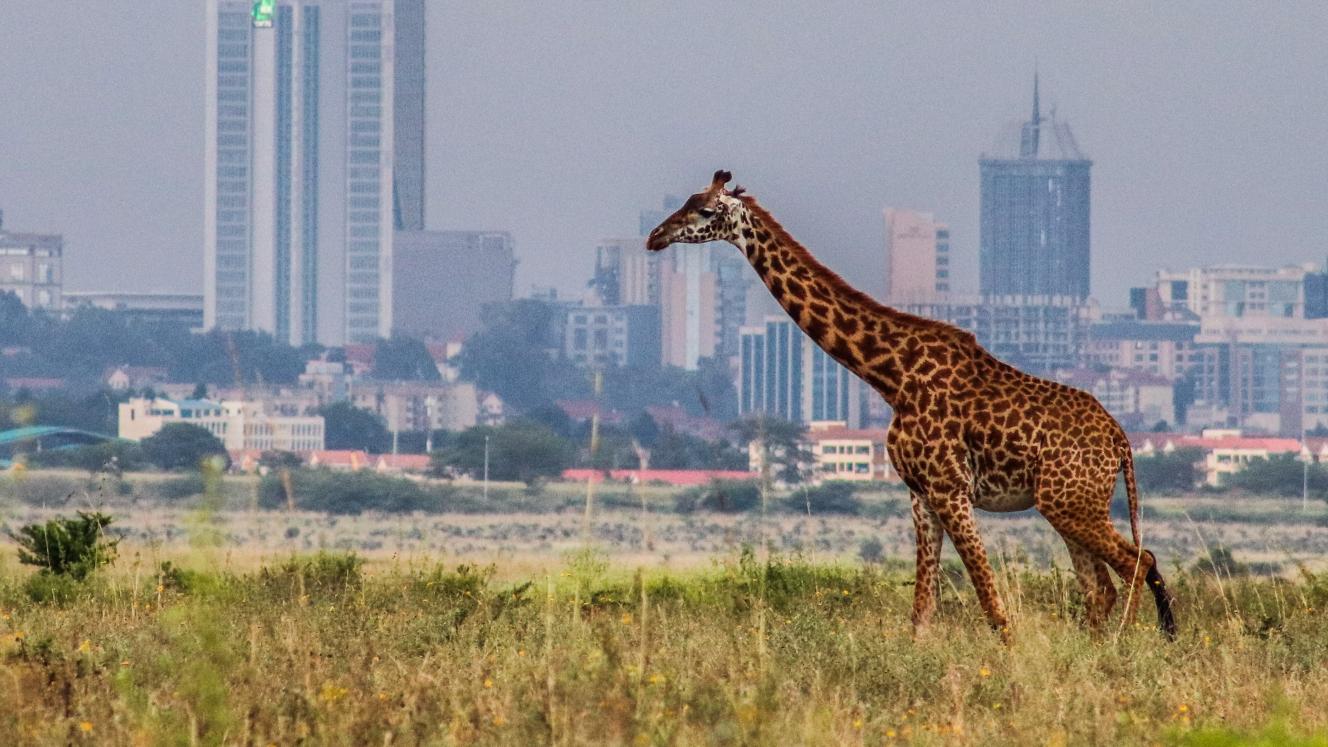
He highlighted the park’s importance as a tourism destination and conservation stronghold.
“NNP is the only national park in the world located inside a capital city. It is the lungs of Nairobi, the gateway to wildlife for millions of ordinary Kenyans and an icon visited by people from every corner of the country and the globe.”