The tourism industry is viewing the Middle East unrest with caution, rather than major concern, drawing on lessons from the pandemic and past crises to steady operations.
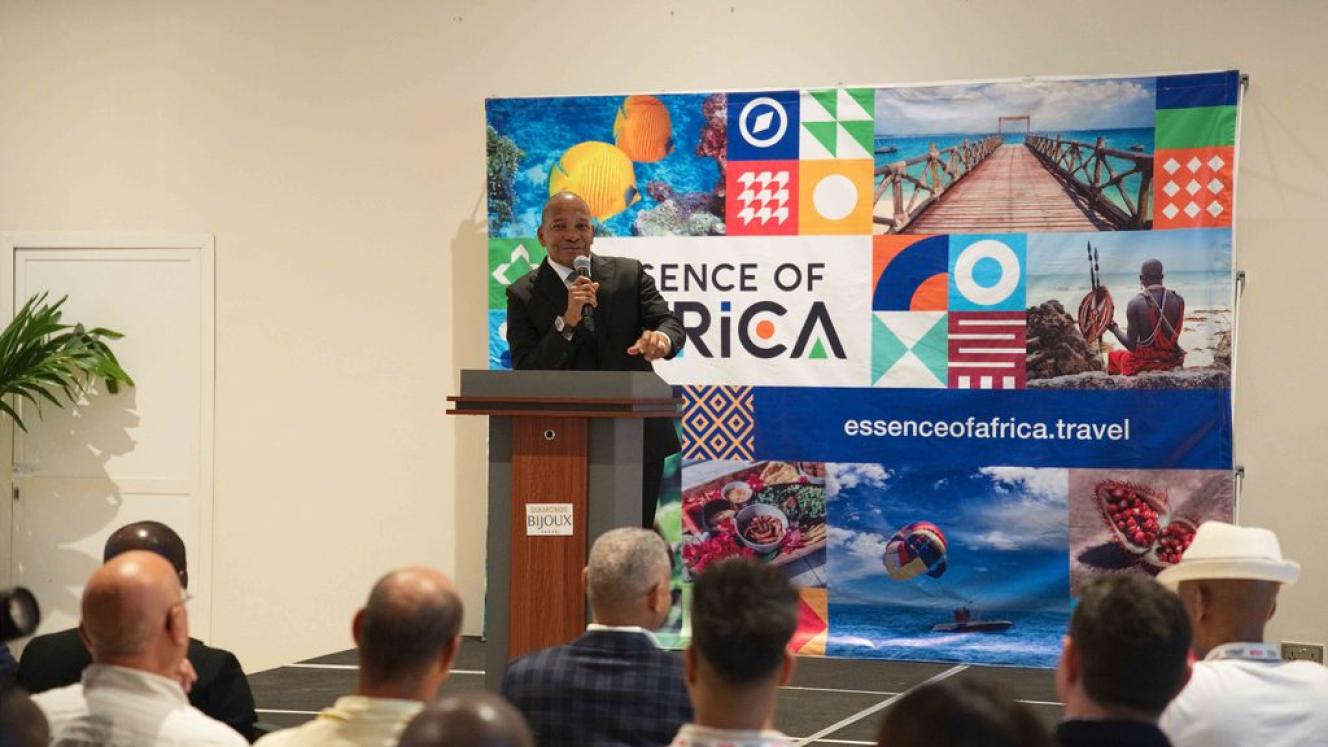
Speaking during a SATSA webinar on navigating travel disruptions, David Ryan, Founder and Owner of Rhino Africa, said: “I describe the industry mood as uncertain rather than panicked.”
Despite the operational challenges that have arisen due to stranded passengers who had booked to fly via Middle Eastern hubs, panellists said they have not seen a drop in demand.
“What we’re experiencing at the moment is more operational friction but we’re certainly not seeing a collapse in demand,” said Ryan. “Guests are not cancelling; they’re just finding a different way to get here. The mindset is ‘How do I get there’ not ‘Should I go at all’.”
Ryan said Rhino Africa’s enquiries over the past month were up 25% year on year with revenue up by 30%. “Paradoxically, I’d like to think geopolitical instability is reinforcing Africa as a safe long-haul destination.”
Ryan added: “The luxury segment is less sensitive to conflict. What moves the needle more is what conflict does to financial markets and consumer confidence. When fear of recession rises, we see luxury travel demand start to drop.”
Faith Johnson, CEO of New Frontiers, echoed Ryan’s sentiments, adding that her tour operator partners are dealing more with “operational friction” – the urgent work of assisting stranded travellers and ensuring they are able to get home safely. But, beyond this, there has been little impact.
Lessons from past crises
“This isn’t our first rodeo,” said David Frost, CEO of SATSA. “We’ve been through a variety of these exogenous shocks from unabridged birth certificates to COVID. It’s a bit of a grim groundhog day but one of the great things that emerged from COVID was our ability to come together, be cohesive and look at how we can weather this.”
More recently, said Johnson, the industry learnt a great deal when managing the floods and fires in January and February this year. Flexibility and communication remain central to managing the current situation, he added.
“It’s absolutely critical that we remain flexible and work together in crisis management. Often we feel like we are the only ones dealing with this but, as part of a value chain, all of us need to communicate effectively. As long as we’re not drawing a line in the sand and playing hardball. It’s about finding a solution and not closing the door. We’ve been able to do that really effectively.”
Outlook depends on duration
While sentiment remains optimistic, operators warn that a prolonged disruption could affect demand, particularly if airfares rise sharply.
“If economy airfares increase and domestic fares push north of R10 000 between Cape Town and Johannesburg, it will make a significant dent,” said Frost.
However, Ryan expects market correction once conditions stabilise. “Everything is a moment in time,” he said. “Nobody likes flying empty planes into South Africa. Prices will adjust when stability returns to the market.”