A 19th Century staircase built by liberated slaves in Mombasa’s Old Town has collapsed. The 200-metre staircase was built in 1824 to connect Leven House, built the same year, to the shoreline. Leven House has been used for more than 150 years as a diplomatic facility in various forms including as a colonial office and anti-slavery centre.
In the early 19th century Britain’s naval vessels patrolled the Indian Ocean under the auspices of ending slavery in the region. British abolitionists freed slaves from mostly Omani-owned vessels and settled them in coastal towns, including Mombasa.
The National Museums of Kenya (NMK) has attributed the collapse of the staircase to strong wave action triggered by climate change. Speaking at the site on Saturday May 5, NMK’s Director of Antiquities, Sites and Monuments, Purity Kiura, said: “We have already sounded the alarm that strong tidal waves caused by a warming planet are putting iconic historic sites on coastlines at great risk.” She added that this event showed that urgent attention must be given to safeguarding monuments along the coast.
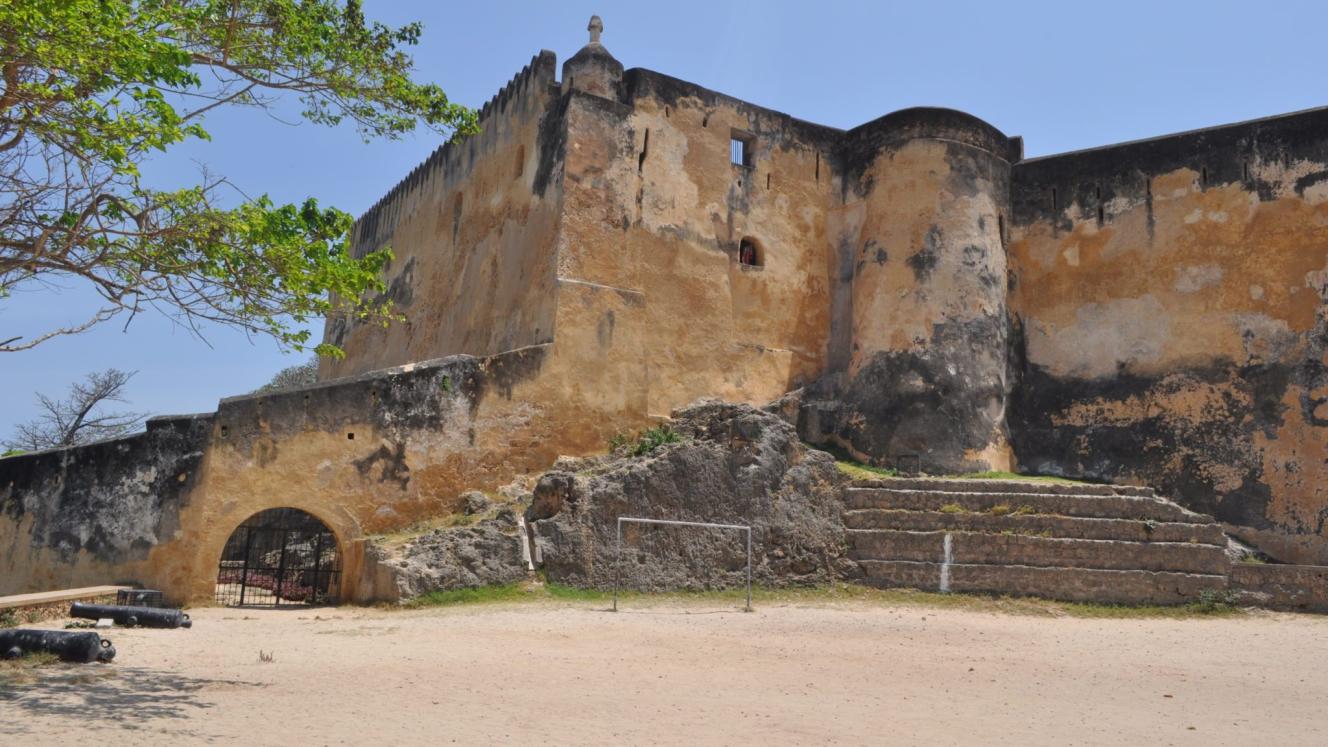
This collapse comes after part of the English Garden at Fort Jesus, also in Mombasa, fell into the ocean two years ago. It is a Unesco World Heritage Site. Fort Jesus has been the reason for an extensive debate between NMK and lawmakers regarding the collapse. In January this year, members of the government attempted to stop the construction of a wall around Fort Jesus that was meant to protect the heritage site from increased erosion.