The World Health Organization (WHO) declaration of the Ebola outbreak in the Democratic Republic of the Congo (DRC) and Uganda as a public health emergency of international concern has heightened concerns across Africa’s travel and tourism sector although tourism bodies insist travel to the region should continue without blanket restrictions.
The WHO announced on May 17 that the outbreak, caused by the Bundibugyo virus strain, reached a level requiring international coordination due to the risk of regional spread and uncertainty surrounding the true scale of infections. The organisation stressed, however, that the outbreak does not currently meet the criteria for a pandemic emergency.
According to the WHO, as of May 16, the DRC’s eastern Ituri Province recorded eight laboratory-confirmed Ebola cases, 246 suspected cases and 80 suspected deaths across the health zones of Bunia, Rwampara and Mongbwalu. Two confirmed imported cases from the DRC were also reported in Kampala, Uganda, including one death.
The WHO warned that the outbreak could be “potentially much larger” than current figures indicate, citing a high positivity rate among tested samples, reports of unexplained community deaths and suspected healthcare-associated transmission. Unlike previous Ebola-Zaire outbreaks, there are currently no approved therapeutics or vaccines for the Bundibugyo strain.
The outbreak has already triggered international travel responses. The US government has issued a Level 4 “do not travel” advisory for the DRC and introduced entry restrictions for non-US passport holders who have recently travelled to the DRC, Uganda or South Sudan.
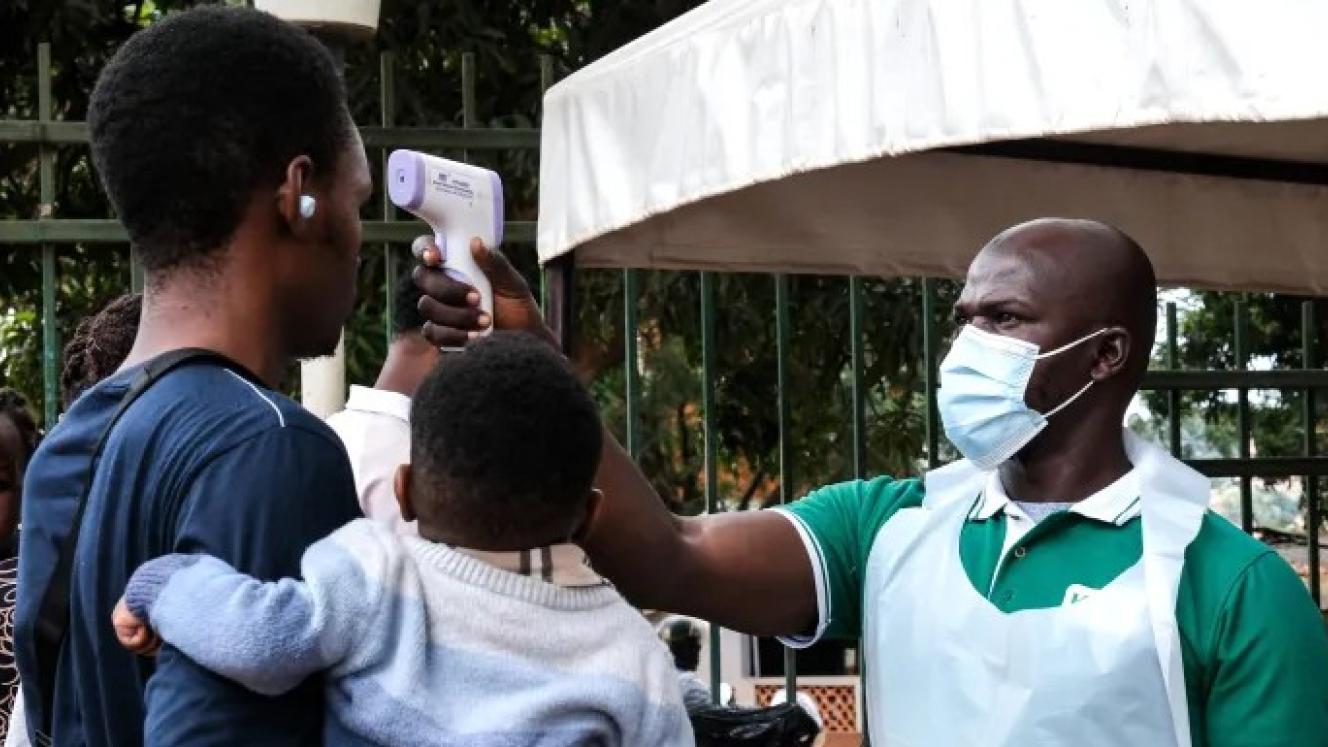
Regionally, Tanzania has introduced additional health measures in response to the outbreak. As of May 19, travellers arriving from or transiting through the DRC or Uganda are required to complete a traveller’s surveillance form and undergo temperature screening at all points of entry. Authorities have also advised operators with affected itineraries to brief clients on the new requirements in advance.
No cause for panic
However, tourism industry bodies and Ugandan authorities have urged against panic and broad travel restrictions.
In a statement issued to members, the African Travel and Tourism Association (ATTA) noted that the WHO does not recommend border closures or blanket travel bans, warning that such measures could worsen the situation by driving travellers towards unmonitored border crossings.
Virginia Messina, Group CEO of ATTA, said: “The Ebola outbreak remains contained to specific regions in the DRC and a few imported cases in Kampala, Uganda. The rest of the African nations remain unaffected and travel continues as normal.
“We are in close contact with the national authorities who have extensive experience and protocols from previous outbreaks, including surveillance systems, rapid response teams and international coordination to try to contain this event as quickly as possible.
“The WHO is advising against blanket travel barriers or restrictions. We will continue to monitor developments carefully, providing members with timely and accurate updates.”
ATTA has advised tour operators to closely monitor WHO and national health authority updates, brief staff on Ebola symptom recognition (sudden fever, fatigue, chest pain, diarrhoea, vomiting, unexplained bleeding and jaundice) and review medical evacuation and cancellation insurance provisions for affected itineraries.
The association also cautioned operators not to reroute or cancel trips solely on media reports but rather to await formal WHO/ Foreign, Commonwealth and Development Office guidance updates.
Meanwhile, the Uganda Tourism Board is reassuring international travellers that Uganda remains safe for tourism, business and investment.
In a statement released on May 18, Uganda Tourism Board confirmed that the country has recorded two isolated imported Ebola cases involving Congolese nationals entering from the DRC but stressed there was currently “zero local transmission or community infection within Uganda”.
The Uganda Tourism Board said tourism activities, national parks, hotels, conference venues and transport services continue to operate normally, adding that Uganda’s Ministry of Health has maintained robust surveillance, screening, contact tracing and rapid response systems nationwide.
The WHO is expected to convene an emergency committee in coming days to consider temporary recommendations for member states as efforts to contain the outbreak intensify.