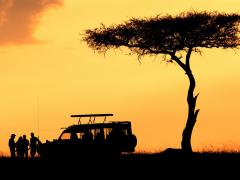
Demand for safari travel is increasingly shifting into shoulder seasons as travellers prioritise wildlife conditions, value and avoiding crowds over traditional peak travel periods, according to the State of Safari 2025 report from Go2Africa.
Data presented during the State of Safari 2025 webinar shows shoulder season months have now overtaken peak months in share of enquiries, signalling a shift in travellers’ African safari planning.
“There’s one core narrative that defines this year’s data. Today’s safari traveller is more informed, more premium-oriented and more intentional about timing, sustainability and conservation than ever before,” said Natalia Rosa, CEO of Big Ambitions who facilitated the webinar.
Wildlife and crowd avoidance
Kate McIntosh, Go2Africa Africa Safari Expert, said shoulder seasons offer advantages that many travellers are beginning to recognise.
“I’m a huge fan of travelling out of season. I love shoulder season. I love a lower season because there are fewer people, fewer crowds and you do kind of feel that, just by travelling at that time of year, you’re getting a more exclusive experience.”
Wildlife sightings remain strong outside peak periods, McIntosh added. “The animals don’t go on vacation. They’re there. It just may be the rains have moved them off a little or it may be harder to spot them in the bushes but they’re still there.”
However, McIntosh noted that peak periods will likely remain important due to school holiday travel from major source markets.
“I do feel like the peak season might still remain that way because it’s very much tied into the UK, US and European school holidays.”
Conservation benefits from spread demand
The shift could also benefit conservation areas if tourism demand becomes more evenly distributed throughout the year.
Adrian Ghaui, Nawiri Group Head of Impact and Sustainability, said spreading visitor numbers across more months will reduce pressure on ecosystems.
“If shoulder season demand increases, there’s a really happy middle ground where pushing some of the demand into that period would be hugely beneficial.”
Recent overcrowding in major safari areas demonstrates the risk of concentrated peak demand, Ghaui added.
“Everyone has seen what came out of the Serengeti and the Mara this past year. We’ve seen what it’s like when you have too much of a good thing.”
Spreading tourism more evenly across the year could allow parks and conservation managers to manage natural assets more sustainably.
“You want to get a good return on that asset and spread that over the whole year rather than constraining it to the peak season,” said Ghaui.