Have you been affected by the flooding? Take our survey here.
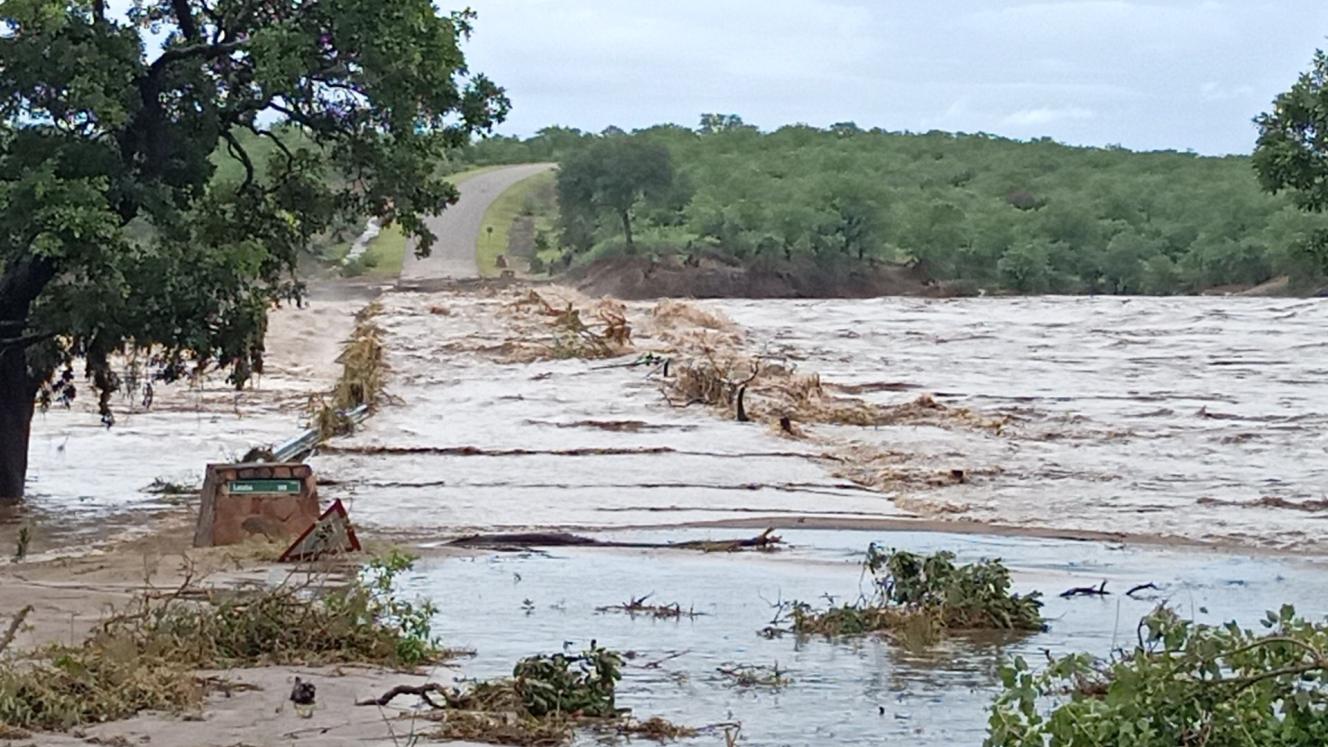
Tourism businesses in Mpumalanga and Limpopo are starting to take stock of the significant infrastructure damage and interruptions caused by heavy flooding in the region.
Only three Kruger National Park (KNP) entrance gates (Malelane, Numbi and Paul Kruger) are currently open to visitors. The park reopened to day visitors on Monday, January 19, but a quota system has been implemented to limit the number of tourists entering the open gates.
SANParks Head of Communications JP Louw said, although the flood waters are subsiding, numerous bridges have been washed away and there is no access to the Crocodile Bridge, Lower Sabie and Olifants rest camps. The northern part of the park also remains inaccessible.
“Apart from the tragic loss of life outside the park reported by government agencies and other NGOs, there has been extensive damage to infrastructure and an unfortunate loss of personal belongings,” said John van Dyk, COO of volunteer organisation SANParks Honorary Rangers (SHR).
He said the park has been inundated with offers of support from concerned citizens.
“There have been offers of financial contributions as well as assistance on the ground. Every offer is truly appreciated and there will be a time when that support will be called upon.”
Van Dyk said park management will call on SHR once immediate emergencies are under control and requirements have been assessed. “Once requirements are known, we will also coordinate collections and delivery of physical contributions of clothing, blankets etc.”
Oupa Pilane, Special Attaché at the Kruger Lowveld Chamber of Business and Tourism, expressed “deep concern” about the impacts of the heavy rainfall.
“We are currently exploring the full extent of these losses, which are running into significant revenue shortfalls,” said Pilane. “Many operators, lodges, guides, craft sellers and supporting enterprises in the Lowveld and Panorama Route areas depend heavily on summer visitor numbers. The closures and inaccessibility have brought operations to a standstill, resulting in heavy revenue losses that threaten livelihoods and the broader local economy.”
Pilane urged government, private-sector partners and tourism stakeholders to collaborate in rapid response measures such as expedited damage assessments and recovery funding, targeted support packages for SMMEs, coordinated marketing efforts and long-term investment in climate-resilient infrastructure.