Qualito Craft Distillery calls for tourists to visit the historic town of Phalaborwa in SA’s Limpopo province, for more than its proximity to the Kruger National Park (KNP) and Mozambique border – but rather, for its locally-made gin, whiskey, infused vodkas and boutique cocktails.
Created by master distillers Pierre and Loumarie Raubenheimer, the range of five small-batch craft spirits includes an alcoholic and non-alcoholic gin – the latter of which will be launching in June – a craft whiskey, and three infused flavoured vodkas.
Tasting tours take guests into the distillery, showing them the process of crafting the spirits, and also include product tastings. The distillery also offers what it calls ‘Ginstronomy’ – pairing food with the gins made on site.
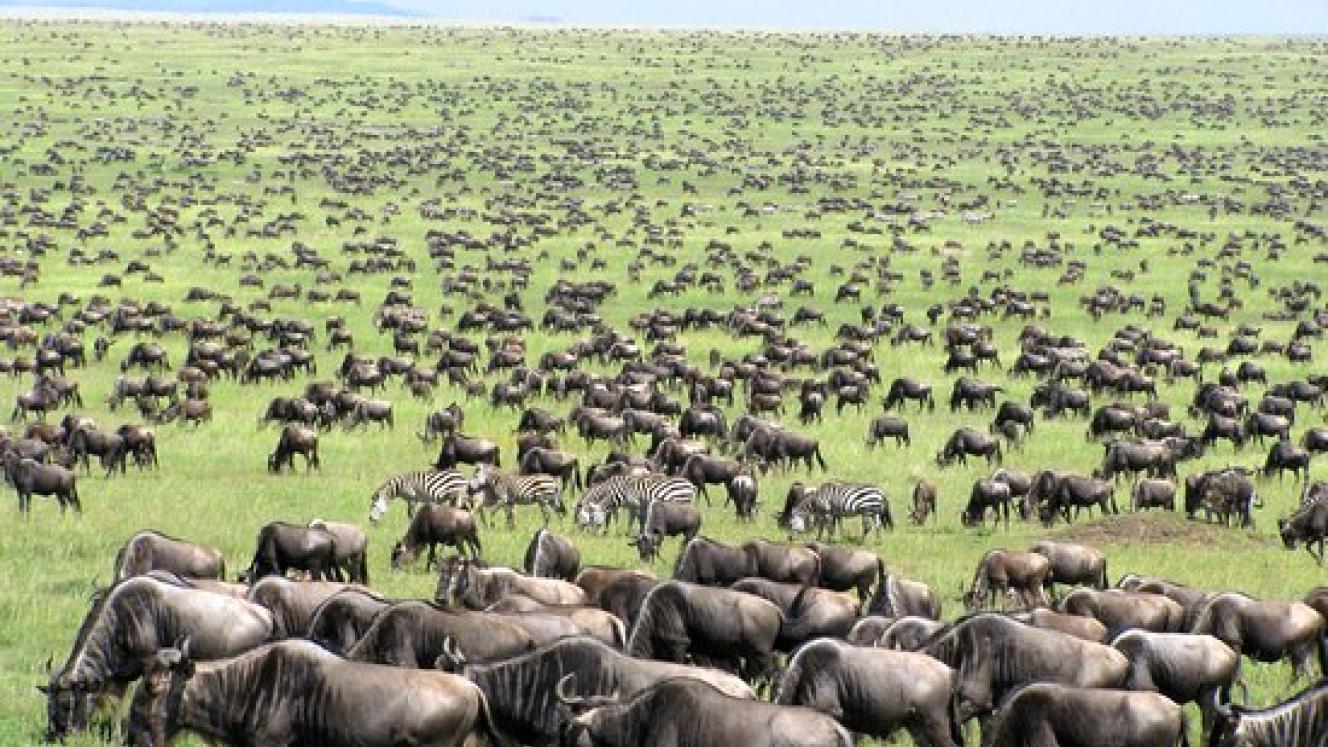
“Travellers want to explore South Africa, and the Limpopo province has a lot to offer,” says Loumarie Raubenheimer. “There’s a trend of ‘rediscovering’ South Africa – finding hidden gems that are emerging as exciting tourist attractions. Our distillery, for example, is the only place where you can make liquor in the morning and watch the lions in the evening.”
Qualito took part in Africa’s Travel Indaba, which wrapped up last week, bringing the unique Limpopo offering to buyers from across Africa and abroad. “Phalaborwa has become a mecca for artists and craftspeople from all over the country. This once-upon-a-time mining town and site of antique ironworks has become a crucible, producing exciting examples of a completely new kind of treasure,” concludes Pierre Raubenheimer.
Phalaborwa is part of Limpopo province’s Route 71, which takes you from the capital, Polokwane, to Phalaborwa. The 204km drive offers contrasting highland and lowland scenery, from forests to savannahs, taking travellers past Zion City where millions of pilgrims gather every year, and Tzaneen with its gorges, cheesery and gardens. Tourists will also be able to see the second-largest baobab tree in the country, and visit the Modjadji Cycad Reserve, which has the largest concentration of a single cycad species in the world.