There has been a reduction in malaria cases in the Zambezi region of Namibia, with 243 cases reported so far this year, compared with 3 345 case that were recorded last year, according to statistics from the Ministry of Health's regional office in the Zambezi region.
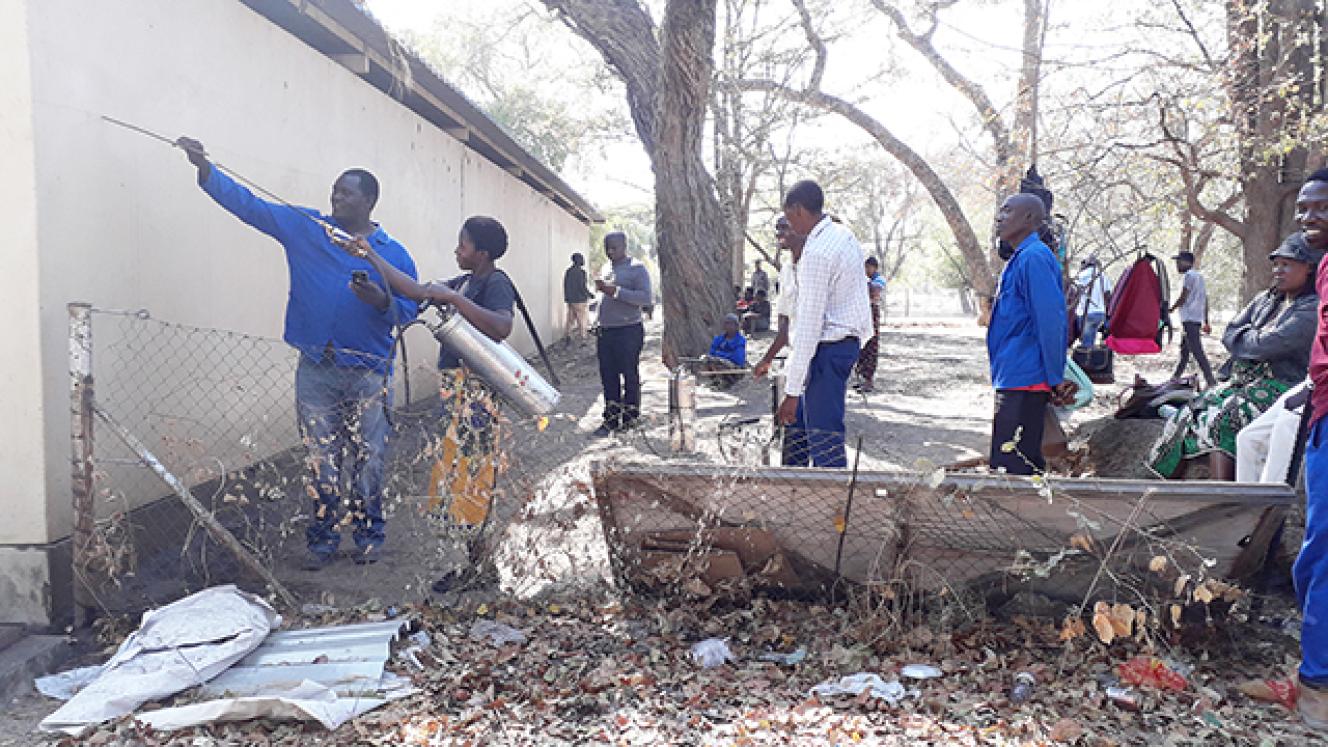
Zambezi Regional Governor, Lawrence Sampofu officiated at a two-week training course on September 2 in Katima Mulilo on indoor residual spraying. The spraying programme is an annual initiative by the Ministry of Health, and is expected to last three months. It aims to control and eliminate mosquitoes that transmit malaria.
“The Health Ministry has started using a new chemical called Actelic 300 CS in addition to dichloro-diphenyl-trichloroethane (DDT) this year. This chemical is equally effective, as it is tested and approved for use by the World Health Organisation,” said Sampofu.
He noted that 11 malaria hot spots had been identified in the region, based on surveillance reports. They are Chetto, Shesheke, Sibbinda, Chinchimani, Sangwali, Masokotwani, Kasheshe, Bukalo, Ngoma, Shuckmansburg and Lisikili.
“The health ministry will also spray the mosquito breeding sites. Therefore, community members are advised to provide information to staff about any breeding sites in their areas so that they spray and kill the larvae before they become adult mosquitoes,” he said.
Zambezi Regional Health Director, Agnes Mwilima, said: “We are planning to increase coverage this year, and have invited health officials from Zambia's Mwandi and Sesheke districts to strengthen the indoor residual training by sharing experiences.”
Namibia is one of the countries tasked by WHO to eliminate malaria by 2022, and the indoor residual spraying programme is one of the many national anti-malaria strategies.