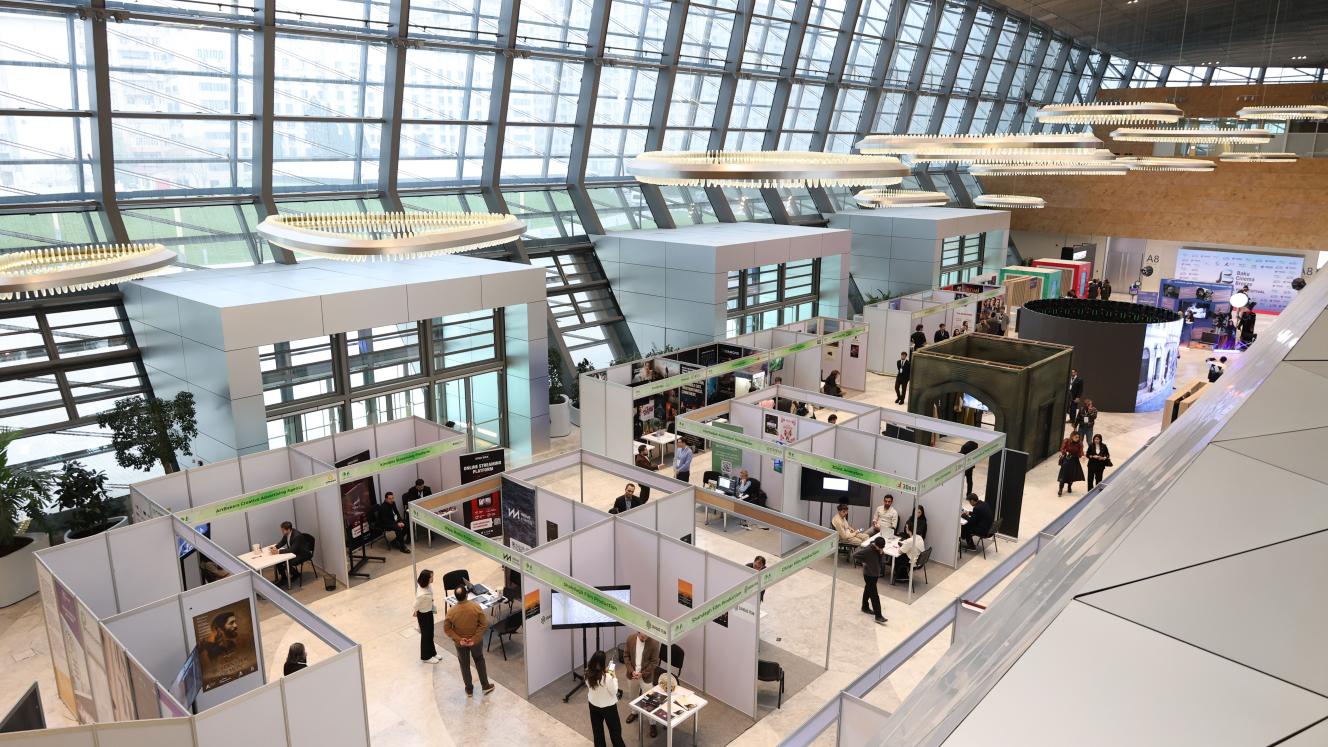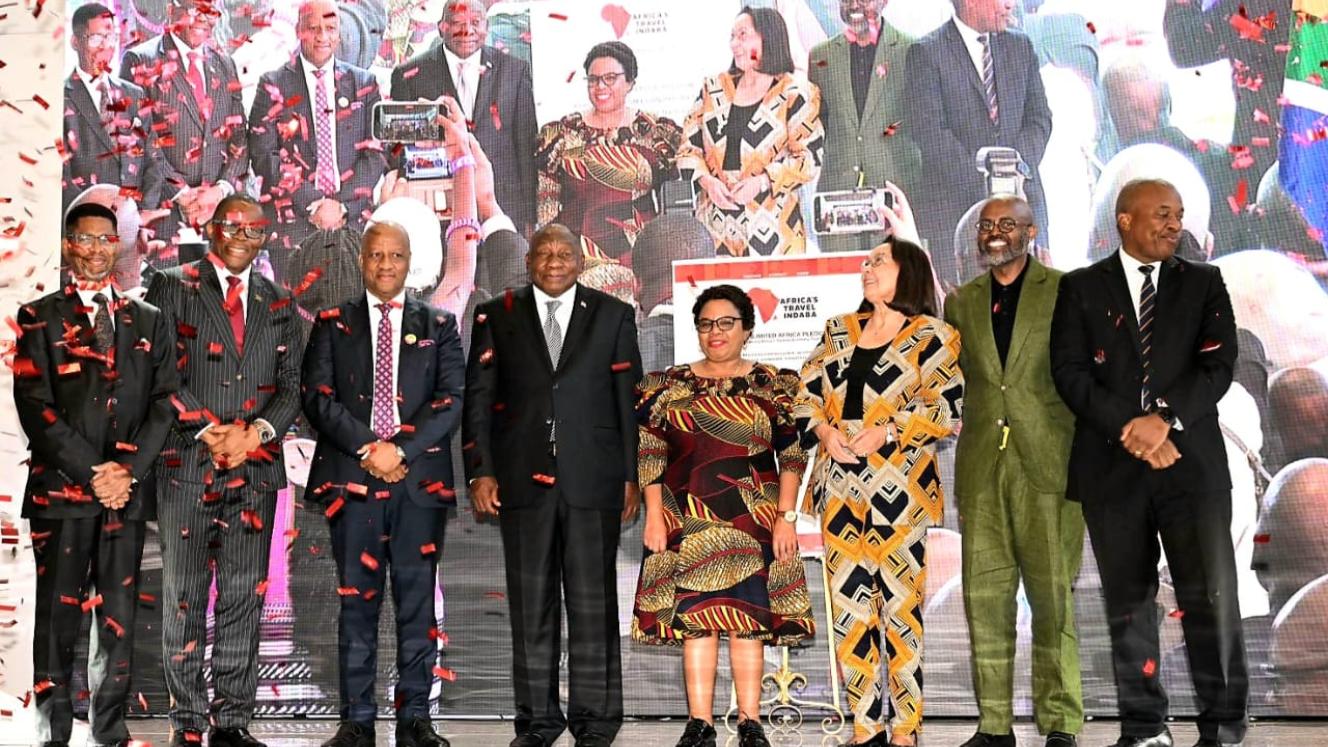
South Africa’s tourism sector has moved beyond post-pandemic recovery into a new growth era, Tourism Minister Patricia de Lille told delegates at the official opening of Africa’s Travel Indaba 2026 in Durban where ministers and the private sector signed a pledge to work together to further boost tourism.
The opening ceremony on Tuesday, May 12, gathered delegates, buyers and exhibitors from across Africa and global source markets with President Cyril Ramaphosa using the platform to call for stronger continental collaboration and a united effort to position Africa as a global tourism powerhouse.
“We must use tourism to shape the narrative of Africa,” Ramaphosa said.
“For far too long, others have told our story for us. Tourism gives us the opportunity to define ourselves through our heritage, our cultures, our innovation and our people.”
Ramaphosa said tourism is a sector with the greatest potential to drive inclusive economic growth, employment and small business development across the continent.
“Tourism is not only about destinations. It is about livelihoods. It is about opportunity. It is about restoring dignity to communities through economic participation.”
Before the pandemic, tourism accounted for around 7% of Africa’s GDP, directly and indirectly, supporting tens of millions of jobs, Ramaphosa added.
Drawing comparisons with leading global tourism destinations, like Spain which receives 30 million tourists annually, he said Africa has enormous untapped tourism potential.
Economic contribution
De Lille said the industry’s growth trajectory is supported by closer collaboration between government and the private sector, improved air access, infrastructure investment and destination development initiatives.
“Tourism policy is economic policy. Tourism is an economic catalyst and it impacts and changes many, many lives,” she said.
Citing tourism satellite account figures from Statistics South Africa, De Lille said the sector created 954 000 direct jobs in 2024 and contributed 4.9% to national GDP.
Ramaphosa has set ambitious tourism targets for the sector, she pointed out.
“The President gave me a target: by 2030, we must welcome 50 million visitors to our country. He also said ‘You must create more than a million jobs by 2029’.”
Tourism investment
De Lille said the sector has attracted significant new investment over the past year, including the R24 billion V&A Waterfront development in Cape Town, another R10.5 billion investment in the Cape Winelands Airport and the R2.5 billion Club Med beach and safari resort in KwaZulu-Natal (KZN).
“All of these investments demonstrate confidence in our country,” she said.
Speaking about destination infrastructure investment, De Lille said government has recently completed an R82 million project at the Cape Agulhas Lighthouse Precinct where the Indian and Atlantic oceans meet.
“It now boasts a 60-seater sea view restaurant and a pathway that you can walk from one ocean to the other,” she said.
De Lille also highlighted the Dinosaur Interpretation Centre at Golden Gate Highlands National Park, developed in partnership with the European Union.
“With an investment of R120 million, we launched the Dinosaur Interpretation Centre and, by the end of last year, we had seen over 90 000 visitors,” she said.
KZN’s Economic Development, Tourism and Environmental Affairs MEC Musa Zondi said Ramaphosa’s attendance at the event underscores the strategic importance of tourism to the economy.
“It demonstrates that tourism matters and confirms that government recognises tourism not merely as a major industry but as a strategic economic driver that creates jobs, supports communities, attracts investment and positions our country competitively on the global stage,” he said.
KZN Premier Thami Ntuli said the province intends to use tourism as a catalyst for inclusive economic growth and infrastructure development.
“We thank the continent of Africa and indeed the world for once again bestowing upon KZN the honour of being a destination of choice and the proud home of this great gathering. This confidence in our province is not taken lightly,” Ntuli said.
Pledge signed
A central moment during the opening ceremony was the signing and recital of the Africa’s Travel Indaba pledge: a collective commitment by tourism ministers, government leaders, tourism boards, exhibitors and private-sector stakeholders to work together to grow Africa’s tourism economy through greater collaboration, sustainability and intra-African partnerships.
The pledge commits signatories to promoting Africa as a unified tourism destination, strengthening connectivity across borders, supporting inclusive tourism growth and ensuring tourism development benefits local communities across the continent.
De Lille urged delegates to commit themselves to deeper collaboration across borders and sectors.
“We pledge to grow Africa’s tourism economy, to tell our stories and together build a better Africa and a better world,” she said.
Ramaphosa echoed the call for unity and partnership, saying Africa’s tourism future depends on countries working together rather than competing in isolation.
“When Africa works together, when we market ourselves together and when we improve connectivity across our borders, the opportunities for growth are immense,” said Ramaphosa.