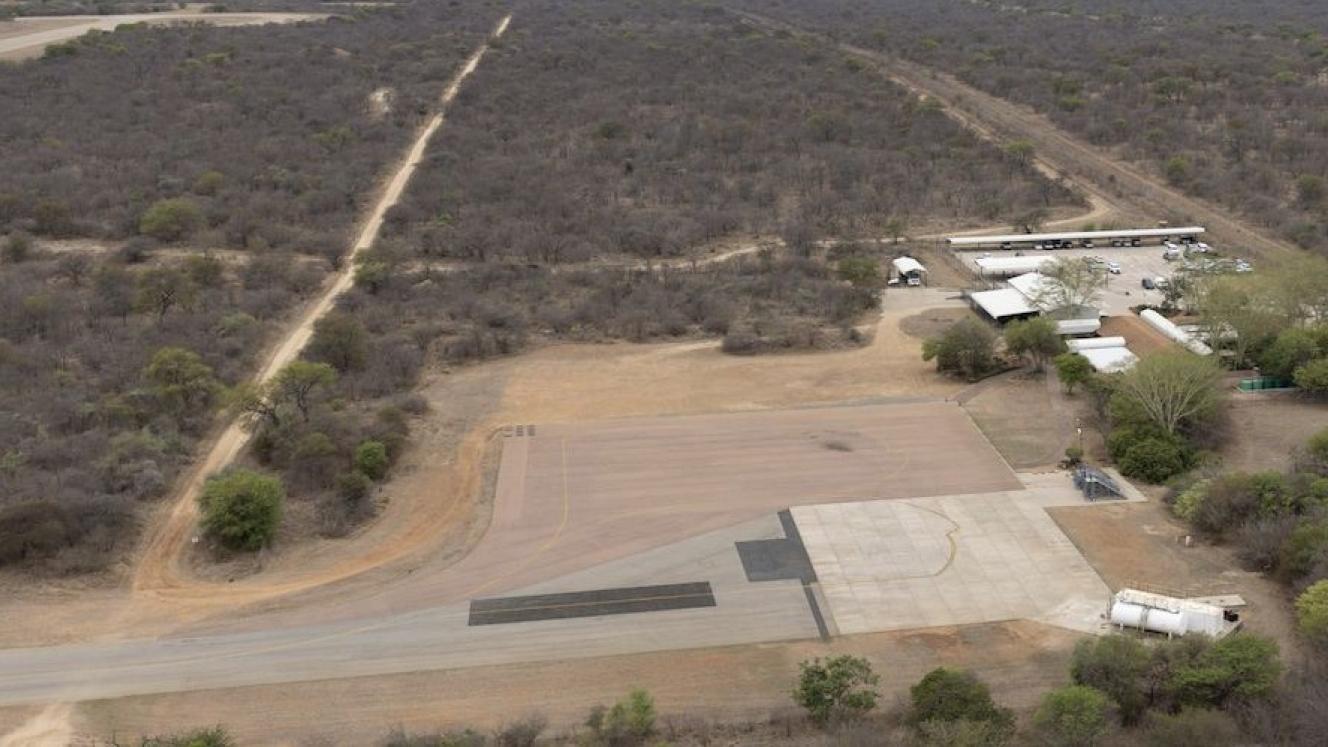
The opening of a new entry point to Tarangire National Park is expected to improve access to one of Tanzania’s most iconic wildlife destinations with officials and industry players projecting gains in tourism revenue, visitor experience and local economic development.
The Mamire Gate, which officially opened in April 2026 at a cost of more than TZS3.9 billion (US$1.5 million) funded by the Tanzania National Parks Authority, is located on the western side of the park and is designed to ease access for visitors travelling from central Tanzania.
Speaking during the launch, Senior Assistant Commissioner for Conservation and Head of the Northern Zone, Beatrice Kessy, said: “The opening of Mamire Gate will not only improve accessibility but also stimulate economic opportunities for local communities. It will serve as an important link between the Central and Northern tourism zones.”
The new gate is expected to reduce travel time and diversify tourism circuits, offering operators greater flexibility in designing itineraries. For decades, access to Tarangire has largely been through its main northern gate with most visitors arriving via Arusha as part of the country’s established northern safari circuit. The new Mamire Gate introduces an alternative route, particularly for travellers from Dodoma, Singida and Manyara.
Opening up new routes
While optimism around the project is high, some industry experts caution that the immediate impact on tourism numbers may be modest.
Tam Hoskyns-Abrahall, an East Africa specialist at Expert Africa, said the main gate will continue to serve the majority of international visitors arriving from Arusha and the Ngorongoro highlands.
“This new gate is unlikely to significantly change existing travel patterns in the short term,” she said. “However, it opens up new possibilities for visitors coming from central Tanzania. Over time, as regions like Dodoma and Babati develop, we could see increased usage and a broader distribution of tourism traffic.”
The new access point could help ease congestion at the main gate during peak seasons while also encouraging exploration of less-visited areas of the park, Hoskyns-Abrahall added.
Tour operators echo this sentiment, highlighting the long-term potential of the development. Andrew Haule, Managing Director of AfroEast Adventures, described the Mamire Gate as a “strategic and timely” investment.
“It creates opportunities to design more diverse safari circuits that connect central and northern Tanzania seamlessly,” he said. “It also improves visitor distribution within the park, reducing pressure on traditional entry points and enhancing the overall guest experience.”
Beyond tourism logistics, local authorities expect the new gate to generate economic opportunities for surrounding communities. Increased visitor traffic is likely to drive demand for accommodation, guiding services, transport and local products.
The Mamire area, previously less integrated into mainstream safari routes, could see new investments in community-based tourism initiatives, offering a more inclusive model of growth.
A less-visited gem
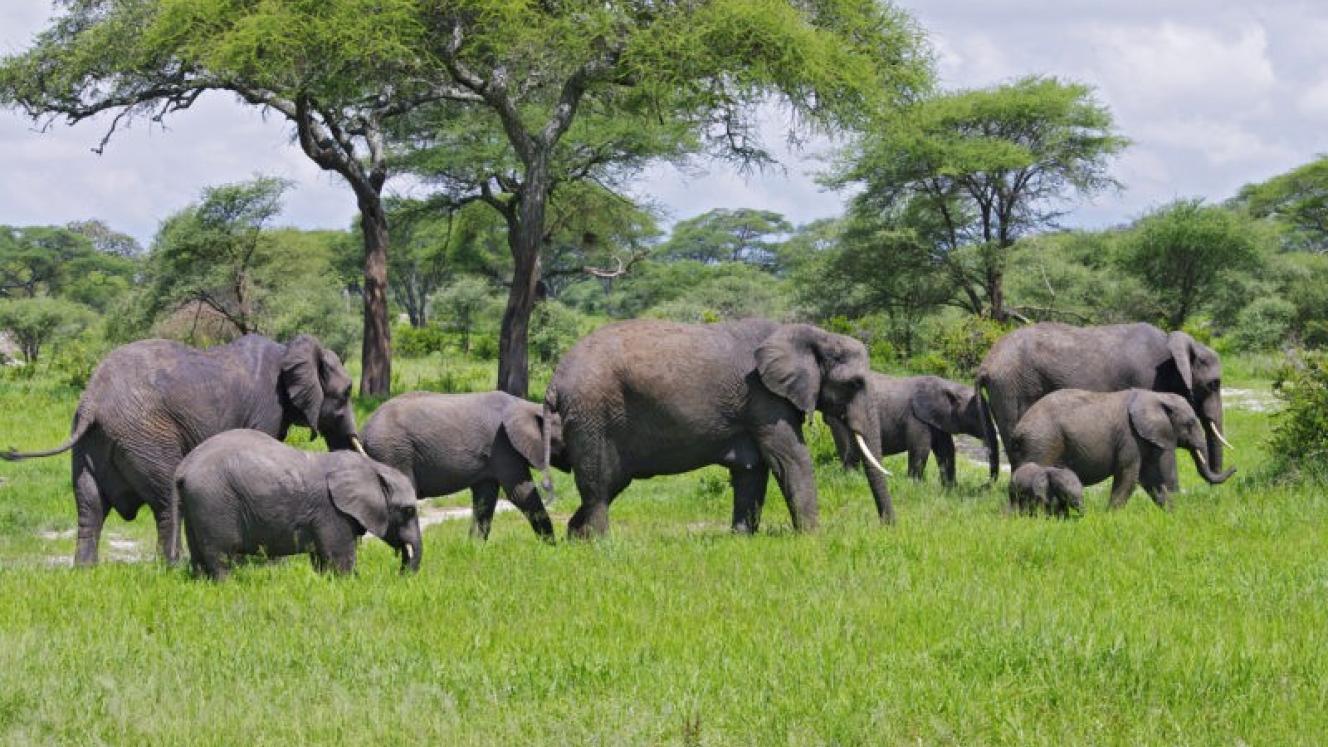
Established in 1970, Tarangire National Park remains one of Tanzania’s most distinctive safari destinations. Known for its vast elephant herds, ancient baobab trees and diverse ecosystems, the park has long been a key pillar of the country’s tourism offering.
However, despite its appeal, industry players say the park has often been overshadowed by more prominent destinations such as Serengeti and Ngorongoro.
“Tarangire is an excellent yet sometimes overlooked park,” said Hoskyns-Abrahall. “Its value lies not only within its boundaries but also in the broader ecosystem it is part of.”
Indeed, Tarangire forms part of a larger wildlife migration network where animals move between protected areas and surrounding landscapes. Conservationists stress that protecting these wildlife corridors and buffer zones is essential to sustaining the park’s ecological integrity.
Challenges remain
While the new gate addresses accessibility, stakeholders say broader challenges remain. Infrastructure within the park, particularly roads, continues to require regular maintenance due to seasonal weather conditions.
“There have been significant improvements, including the construction of bridges that enhance year-round accessibility,” Hoskyns-Abrahall noted. “But road maintenance is an ongoing effort.”
Accommodation is another area of concern. According to Monica Awiti, Sales and Marketing representative of Safari Retreats Africa, limited lodge options within the park have constrained its potential as a longer-stay destination.
“Most accommodation is located along the northern boundary or outside the park,” she said. “Expanding options within the park could encourage visitors to stay longer, transforming Tarangire from a one-night stopover into a multi-day destination.”
The Mamire Gate could improve access to the southern parts of the park, which are less frequented but rich in wildlife, offering new opportunities for exploration, added Awiti.