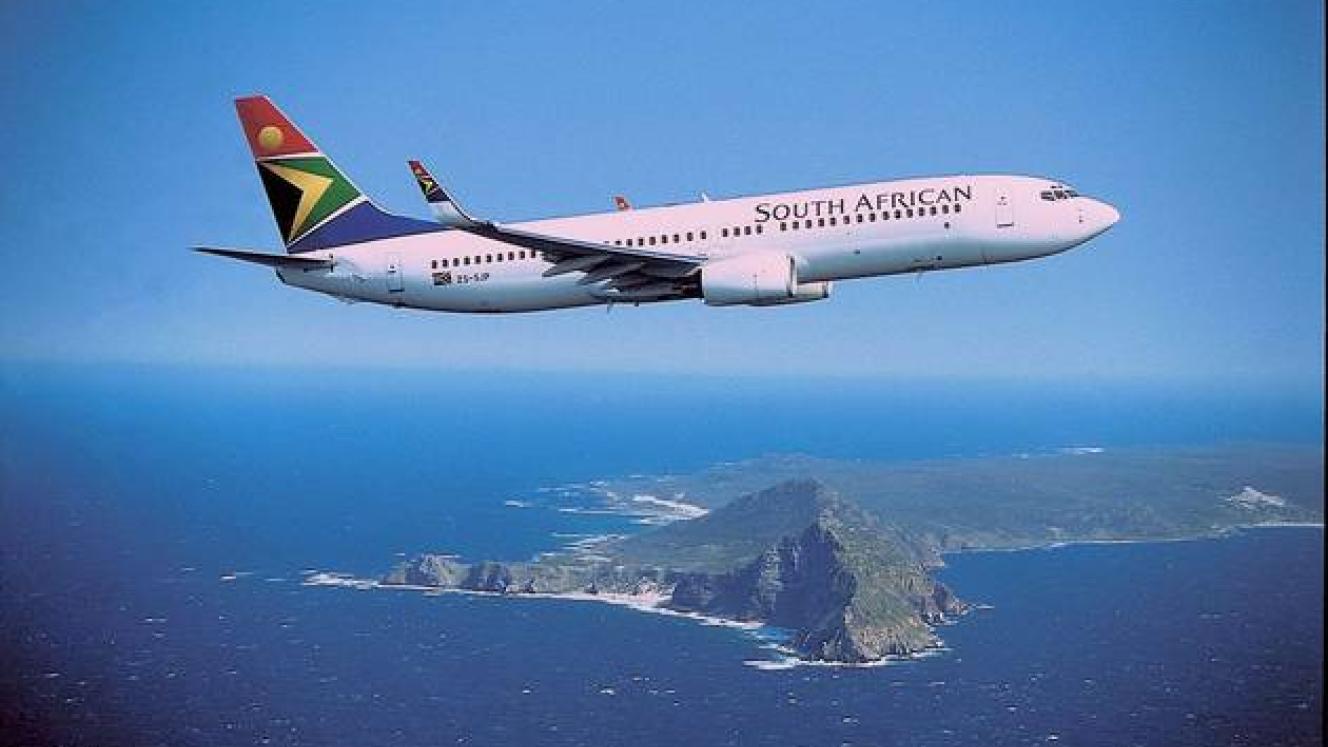
In a statement, SAA said it had made significant headway in putting together a comprehensive and robust five-year business plan aimed at addressing the current and long-term challenges to bring more efficiencies and financial stability.
SAA explained that the plan was anchored on five main pillars that identified areas on which the business must focus as necessary interventions to set a foundation to lead to commercial sustainability. The details of these initiatives will be announced once the plan has been approved by shareholders.
“SAA has been in contact with its lenders to renegotiate the management of its loans. The airline has government guarantees totalling R19,1bn. By June 30, R9bn will be due and payable and only one lender has expressed a desire to have its loan paid back,” the statement read.
Musa Zwane, SAA acting CEO says: “We remain optimistic that the company will meet its loan obligations as these become due through negotiations with lenders and other initiatives.” He explains: “The negotiations of the terms of the loans are ongoing and SAA is optimistic that the airline will continue to operate, honour its obligations to its customers, suppliers and partners.”
This follows reports on Sunday that Standard Chartered Bank had declined to renew its loan facilities to South African Airways and that repayment of the loans had been demanded, might only be the tip of the iceberg and government might be forced to foot the bill, said the Democratic Alliance.
“According to a repayment schedule, SAA has listed R8,9bn, repayable in 2017/18, yet some of the maturity dates have in fact passed,” DA spokesman, Alf Lees said on Sunday.
Key dates that have already passed include:
R0,3bn due to Standard Bank on December 30, 2016;
R1bn owed to Standard Bank on December 30, 2016;
R1bn owed to Standard Chartered on January 27, 2017;
R1bn owed to ABSA on December 8, 2016;
R1bn owed to Standard Chartered on December 22, 2016;
R2,25bn owed to Various Phoenix on April 28, 2017; and
R0,8 bn owed to Various GBF on April 28, 2017.
Lees said he would ask Finance Minister Malusi Gigaba to urgently answer two vital questions – whether or not the other loans already overdue had been repaid and/or rolled over; and how close SAA was to default, resulting in lenders calling in government guarantees.
“All of SAA’s loans are backed by government guarantees, which in total now amount to R19,1bn. If SAA has failed to repay some of these loans it could force other creditors to recall their loans, which would then require the government to step in and pay. This money would ultimately be taken from the public purse and could have dire consequences for the sovereign rating status of South Africa,” Lees said.
“The fact is that the only way out of this mess is for SAA to apply for business rescue where robust cost reductions can be implemented.”
“A successful business rescue and the prevention of the government guarantees being called in would have to lead to a full, or at very least a majority privatisation of SAA in order for SAA to survive in the long-term – and, importantly, to release the South African taxpayer from ever having to meet the R19,1bn government guarantees,” Lees said.