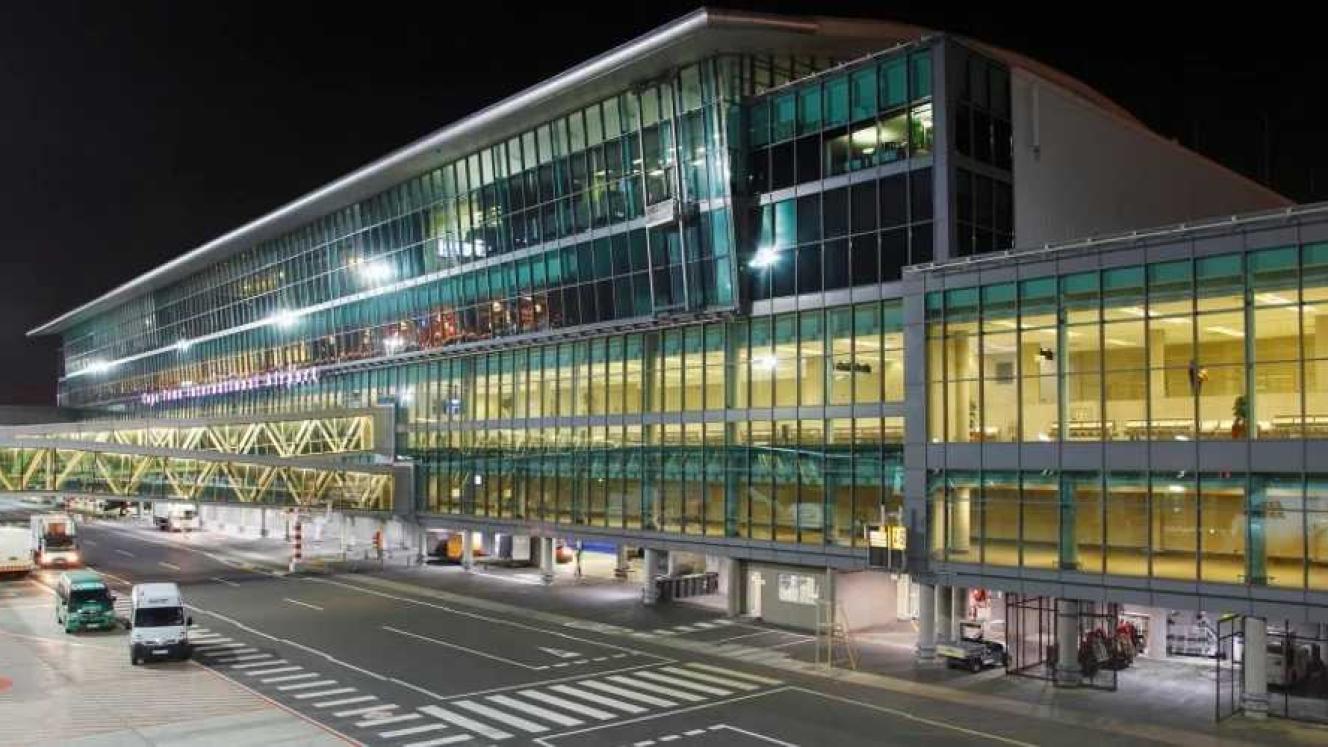
The City of Cape Town has assured that it has strengthened law enforcement measures in response to ongoing concerns about the safety of motorists travelling to and from Cape Town International Airport.
Latest statistics from the city show that Metro Police officers responded to eight robberies from motorists on the N2 and R300 routes between July 2024 and June 2025. Subsequent incidents included the fatal stabbing of 64-year-old South African citizen Karin van Aaardt during a smash-and-grab robbery in the Langa informal settlement on December 5, 2025. Van Aardt was travelling from the airport in a rental car with her husband. Driving directions given from the airport by navigation apps such as Google Maps and Waze sometimes guide self-drive tourists through areas with higher crime risks.
Metro Police Spokesperson Ruth Solomons told Tourism Update that various measures have been intensified since the city’s Freeway Management Plan was implemented in August 2024.
These include the deployment of more than 50 officers per shift, operating around the clock, along priority routes including the N2, N1, R300, N7, Airport Approach and other key corridors.
“Officers do point duty at static identified crime hotspot locations to deter criminal activity and support road users. Priority deployments focus on locations known for opportunistic criminal activity such as Borcherds Quarry and Airport Approach,” said Solomons.
“The city continuously monitors all these routes via CCTV and Freeway Management System cameras operating 24/7 to detect possible suspicious persons and reduce response times.”
While the measures have resulted in a downturn in incidents, law enforcement resources are under pressure, Solomons said.
“Smash-and-grab crimes are opportunistic in nature and have, unfortunately, started occurring elsewhere, which has increased pressure on the city’s enforcement resources. It is important to highlight that the South African Police Service (SAPS) is the lead agency on crime prevention with the city’s enforcement agencies acting in a supporting role where possible but, due to the many demands on our services, it is not possible to maintain a continuous static presence at any one particular spot.”
Data submitted to tech companies
Solomons said the city, in conjunction with the SAPS, periodically submits data to Google, Waze and Apple Maps to highlight high-risk zones in order for those companies to “try and teach their algorithms to avoid those areas”.
Rudi Wagenaar, Owner of On-Demand Hospitality Solutions and a long-time Cape Town resident, said lack of an efficient public transport system has exacerbated instances of crime. The MyCiTi bus service connecting to the airport was suspended in December 2022.
“Cape Town is consistently voted one of the leading cities in the world yet the only way to connect with the city from the airport is renting a car, utilising e-hailing or taxi services or self-driving. High tourist demand comes with more vehicle congestion, making it easier for criminals to target drivers on the road,” Wagenaar said.
Wagenaar suggested that rental car companies should warn tourists of specific routes to avoid and that the city’s decision-makers take more concrete measures to ensure violent incidents are prevented.
“Why are there not major warning stickers on the windshields of rental cars to warn renters to avoid dangerous roads? We need to stop this from happening again and take action,” Wagenaar stressed.
“From a safety and security perspective, rental car companies could be a critical role player in terms of sensitising persons unfamiliar with Cape Town to the potential high-risk routes and other related safety measures,” Solomons acknowledged.
Solomons encouraged motorists to be vigilant and aware of their surroundings while driving. She requested incidents to be reported to the city’s Public Emergency Communication Centre on +27 (0)21 480 7700.