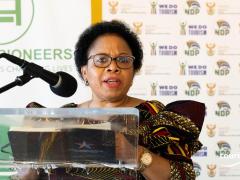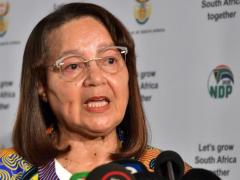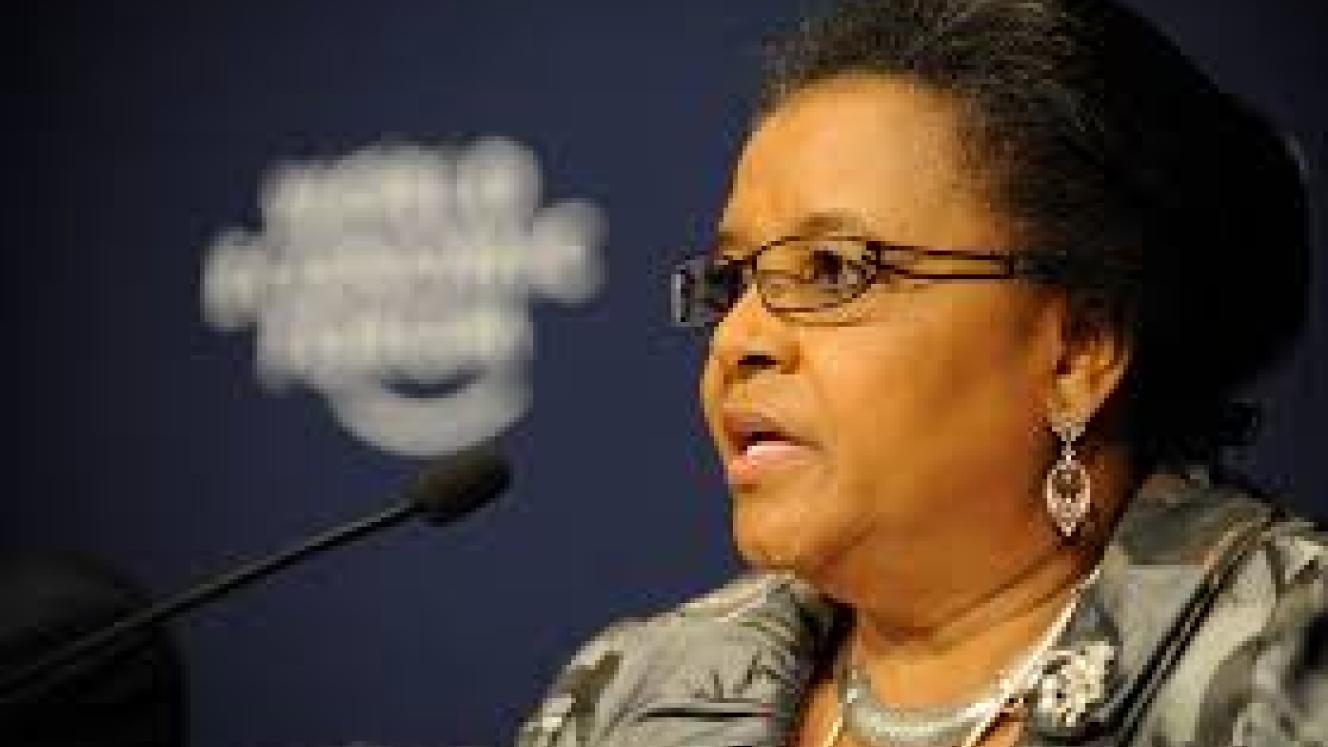
Environmental Affairs Minister, Dr Edna Molewa, says South Africa’s approach to wildlife management will always be aimed at benefiting both wildlife and the people.
Molewa mentioned that South Africa remained committed to continued co-operation with other countries for the sustainable use of environmental resources, during her address at the ‘Keep calm and let Africa take the lead’ conference through a recorded video message.
The conference is currently taking place in Brussels, Belgium, under the theme ‘Supporting communities in wildlife conservation through African-EU dialogue’.
The main objective of the meeting is to bring together European and African decision-makers, together with stakeholders from across the spectrum, to understand the leadership of African range countries in the management and conservation of their wildlife and the role that local communities play in these activities.
Molewa said: “This helps to secure areas where rural communities are still very dependent on the natural resource base for survival.”
She cautioned the illegal wildlife trade, illegal hunting, poaching and any other form of animal cruelty is strictly prohibited by law in SA, adding: “We therefore reject the notion that equates legally and regulated hunting with poaching or other forms of illegal wildlife activities. South Africa is committed to promoting responsible hunting, which is conducted in line with the applicable legislation.”
According to Molewa, trophy and meat hunters respectively contributed R1,9 billion (€128,8 million) and R8,6 billion (€583 million) to the economy during the 2015-2016 hunting season.
Hunting further contributes to food security in the form of free-range lean protein of between 31 000 and 87 000 tonnes per annum.
The conference is hosted by, among others, Member of the European Parliament, Karl-Heinz Florenz. It is organised in co-ordination with the Federation of Association for Hunting and Conservation of the EU (FACE), the International Council for Game and Wildlife Conservation (CIC), the European Landowners’ Organisation (ELO) and Safari Club International (SCI).