Parts of South Africa’s Garden Route are experiencing water shortages and increased fire activity during the peak summer period, prompting coordinated responses from authorities and the tourism sector to ensure visitor safety and continuity of operations.
SATSA has emphasised the importance of clear, factual communication as Level 4 water restrictions come into effect in the Greater Knysna area with contingency planning underway should further escalation be required. The Western Cape government has reported regional dam levels lower than at the same time last year, noting that early, proactive measures are more effective than emergency interventions.
Local authorities are actively managing water restrictions and fire preparedness to protect communities, visitors and essential services. While these conditions are seasonal, heightened vigilance remains necessary.
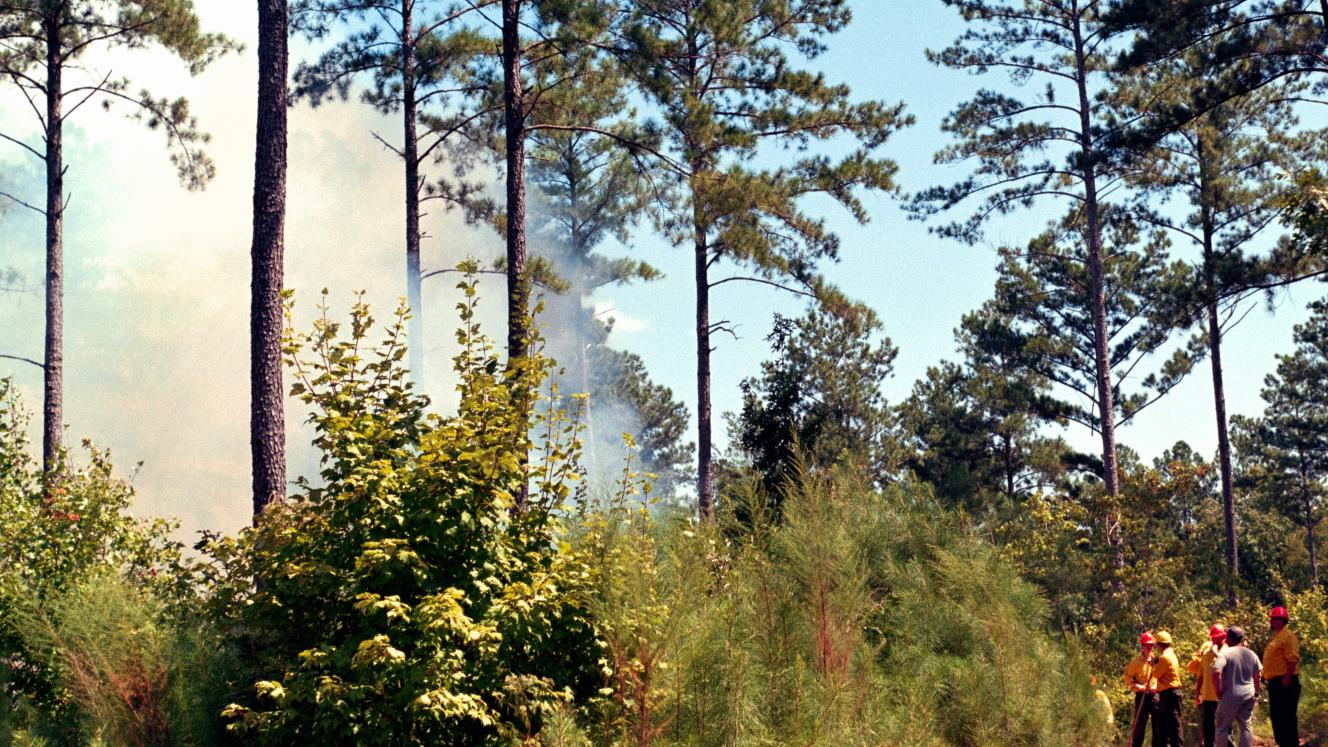
Fire risk continues to be driven by hot, dry and windy weather. The Nelson Mandela Bay Municipality has confirmed an increase in fire incidents since December but says teams are containing outbreaks and maintaining a high level of readiness. Firefighting operations are ongoing in Mossel Bay where the municipality has urged the public to avoid affected areas to allow emergency services to operate safely.
Despite these pressures, SATSA says tourism businesses across affected regions remain open and operational. The sector has implemented conservation measures, including water-saving protocols and guest education initiatives, drawing on experience managing similar seasonal conditions while maintaining service standards and safeguarding visitors and local communities.
Tourism providers should warn travellers to consider water conservation measures, such as shorter showers and towel reuse, amid occasional low water pressure. In areas affected by fires, some outdoor activities or routes may be temporarily restricted in line with official safety advisories and route changes could affect travel times.