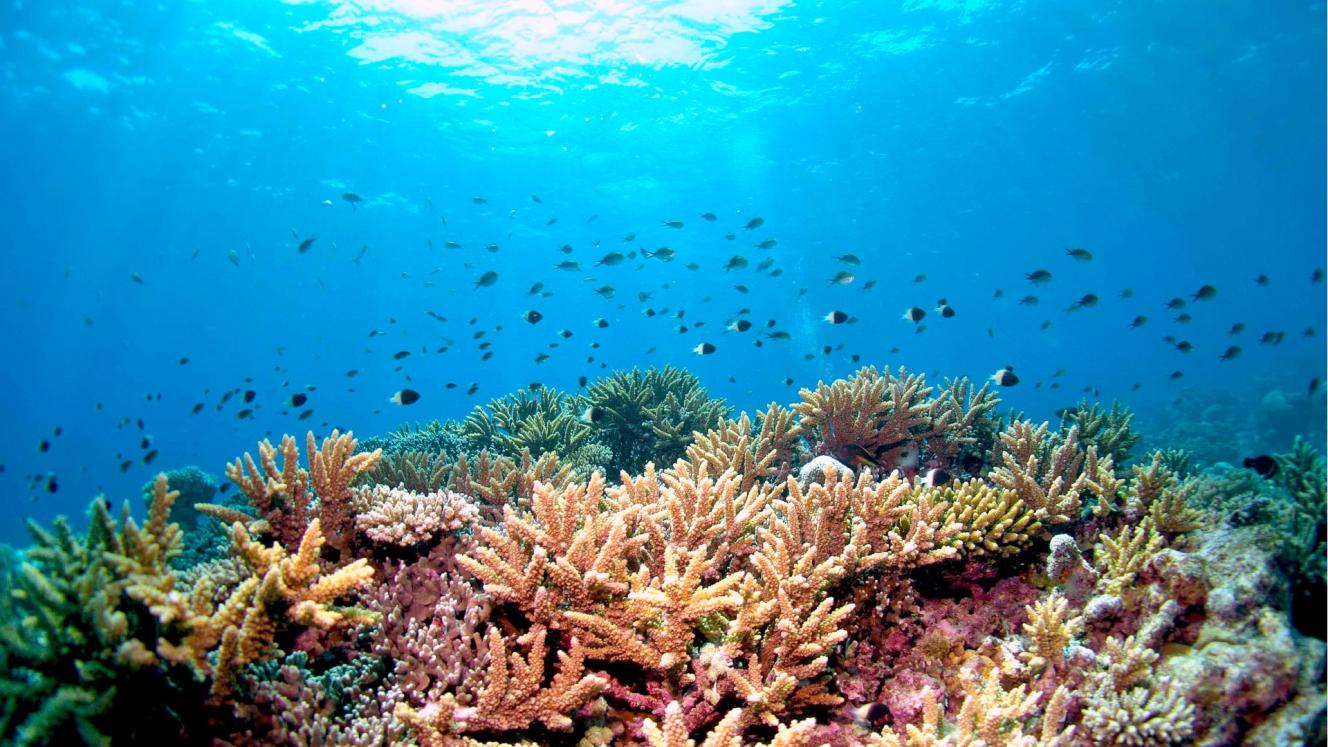
The Seychelles recently entered into a ground-breaking debt-for-conservation initiative – the first of its kind – where it has sold $22m (€18.77m) in debt owed to various countries in exchange for the creation of two major marine reserves around two critical ecosystems.
The debt swap was made possible by private funders, including non-profit group The Nature Conservancy (TNC), China Global Conservation Fund, The Jeremy and Hannelore Grantham Environmental Trust, Leonardo DiCaprio Foundation, Lyda Hill Foundation, Oak Foundation, Oceans 5, Turnbull Burnstein Family Charitable Fund, and Waitt Foundation. There has also been global collaboration on the initiative, including the governments of Belgium, France, Italy, South Africa, the UK, the UN Development Program, Global Environment Facility, and Global Island Partnership.
“This effort will help the people of Seychelles protect their ocean for future generations, and will serve as a model for future marine conservation projects worldwide,” said environmentalist and actor, Leonardo DiCaprio, in a statement. “These protections mean that all species living in these waters or migrating through them are now far better shielded from overfishing, pollution, and climate change.”
TNC says the Seychelles is committed to increasing its marine protection, currently at 210 000sq km, from 0.04% of its Exclusive Economic Zone to a full 30%. These first designations — an area the size of Great Britain — represents just the first half of the 410 000sqkm that will be protected by 2022.
The initiative will ban almost all human activity in the protected areas, including most forms of fishing, pollution and extractive activities. This has brought concern from locals about how the new reserves will infringe on reliance on marine resources. But the Seychellois have one of the highest levels of fish consumption per capita in the world, so “without these Marine Protected Areas, activities like oil and gas exploration, deep-sea mining, dredging, and controversial fishing techniques could take place in one of the planet’s most biodiverse oceans with little or no restriction or direction”, says TNC. And where 43% of the island’s workforce are made up of fishing and tourism, this would be disastrous.
But this initiative, which is currently in Marine Spatial Plan Phase 1, is heralded as an investment in eco-tourism and future sustainable fishing, allowing the coral reefs and fish populations to recover, and open up new opportunities in this tourism sector.