Against a backdrop of fiscal pressure and increasing operational costs, the 2026 South African National Budget’s focus on infrastructure is essential to tourism, which remains a cornerstone for employment and economic growth, argues industry leaders.
“Government has reaffirmed its commitment to infrastructure investment with R1 trillion (US$63 billion) allocated over the next three years. For tourism, infrastructure is not abstract. It directly influences access to destinations, the reliability of essential services and the ability of businesses to operate efficiently,” said Alan Campbell, Talent & Commercial Director at ANEW Hotels & Resorts.
Municipal infrastructure neglected
At Meetings Africa, Tshifhiwa Tshivhengwa, CEO of the Tourism Business Council of South Africa, emphasised that infrastructure under municipal purview is being neglected.
“We need to work on the infrastructure in certain parts of our country, particularly within inland provinces. We’ve got dysfunctional municipalities where the human resources line item on the management accounts is higher than the infrastructure development or the economic development,” he said.
“That’s a problem because it means we’re not spending money in the right places where we can stimulate the economy.”
Tshivhengwa highlighted one of the biggest challenges: the condition of road networks around the country.
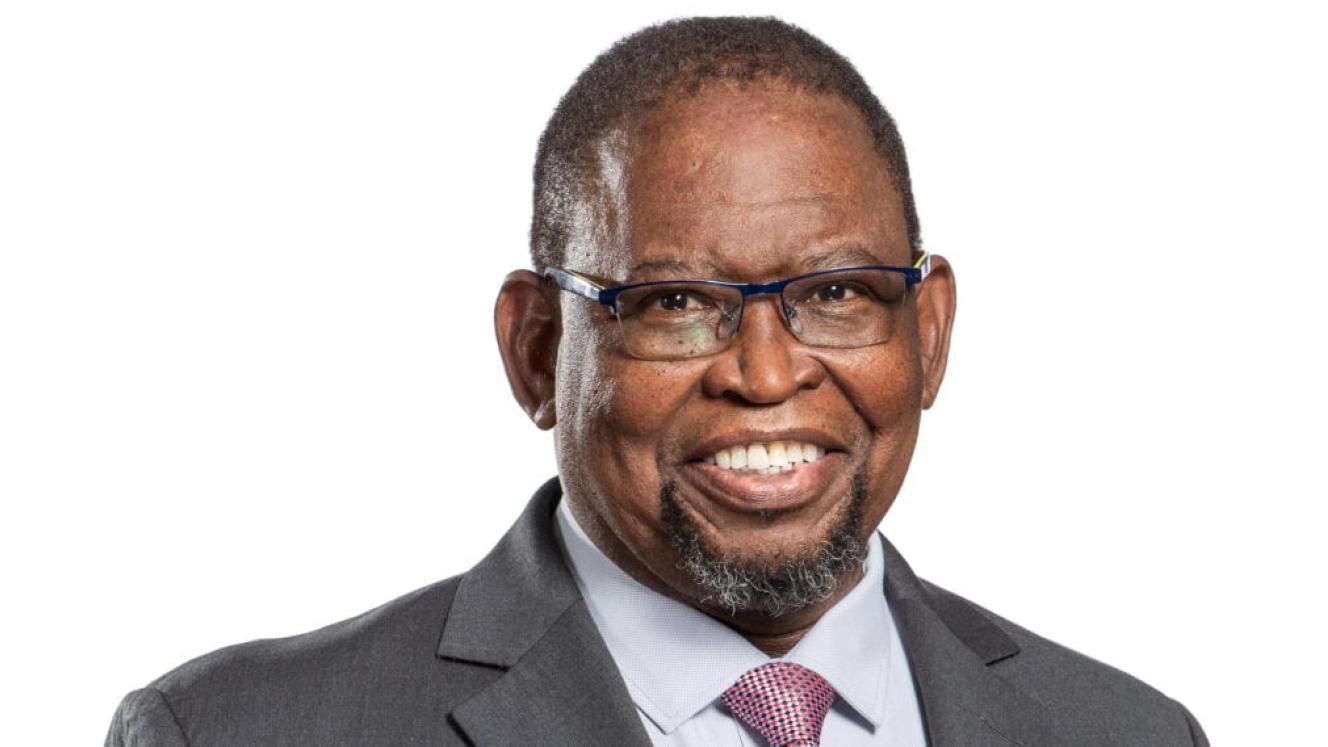
During the Budget Speech, Minister of Finance Enoch Godongwana reported that many of the country’s municipalities are in financial and operational distress and have fallen short with infrastructure maintenance and service delivery.
“Audit outcomes found that 63% of municipalities are in financial distress and the proportion of clean audits remains unacceptably low. A central challenge with municipalities is that they not only differ in capacity but also in their revenue-raising potential,” said Godongwana.
He announced that National Treasury will play a bigger role in prioritising projects and the government will reform the municipal infrastructure grant to address persistent underspending, misuse of funds and capacity constraints that hinder maintenance and effective service delivery in non-metropolitan municipalities.
“Municipalities with proven capacity will continue to receive funding directly. However, where there are serious capacity or governance failures, the delivery will shift to an indirect model. Capable district municipalities and other accredited implementing agencies will form part of their infrastructure delivery suite,” said Godongwana.
Increasing operational costs
The Budget Speech revealed that operating costs for tourism operators, hospitality and entertainment industries are set to increase with levy hikes on fuel and increased excise duties on tobacco and alcohol.
Campbell said hospitality, much like other sectors in the tourism economy, is a labour-intensive industry and operates in a context of rising input costs and pressure on margins.
“From a commercial and people perspective, the current environment reinforces the importance of disciplined operating models. Fuel levy increases and higher excise duties on alcohol and tobacco add to these realities. In response, successful operators are prioritising efficiency, skills retention and value-driven offerings that align closely with local market demand,” he said.
Tourism essential for economic growth
“Tourism was not directly referenced in the Budget Speech. However, its contribution to employment, regional development and foreign exchange earnings is well established,” said Campbell.
“In spite of these constraints, the broader policy environment continues to support the fundamentals the sector depends on, namely infrastructure investment and economic growth. For tourism and hospitality businesses, the message is quite clear and demands adaptability, commercial discipline and long-term thinking. Our sector remains well positioned to support inclusive growth, provide meaningful employment and play an important role in South Africa’s economic outlook.”