The upcoming edition of OurAfrica.Travel on March 16-20 will gather hundreds of African suppliers and international buyers on a virtual platform designed to facilitate early-in-the-year trade engagement.
According to the organisers, the event has evolved significantly since its launch during the pandemic and now serves as a starting point for trade relationships ahead of the year’s major in-person shows.
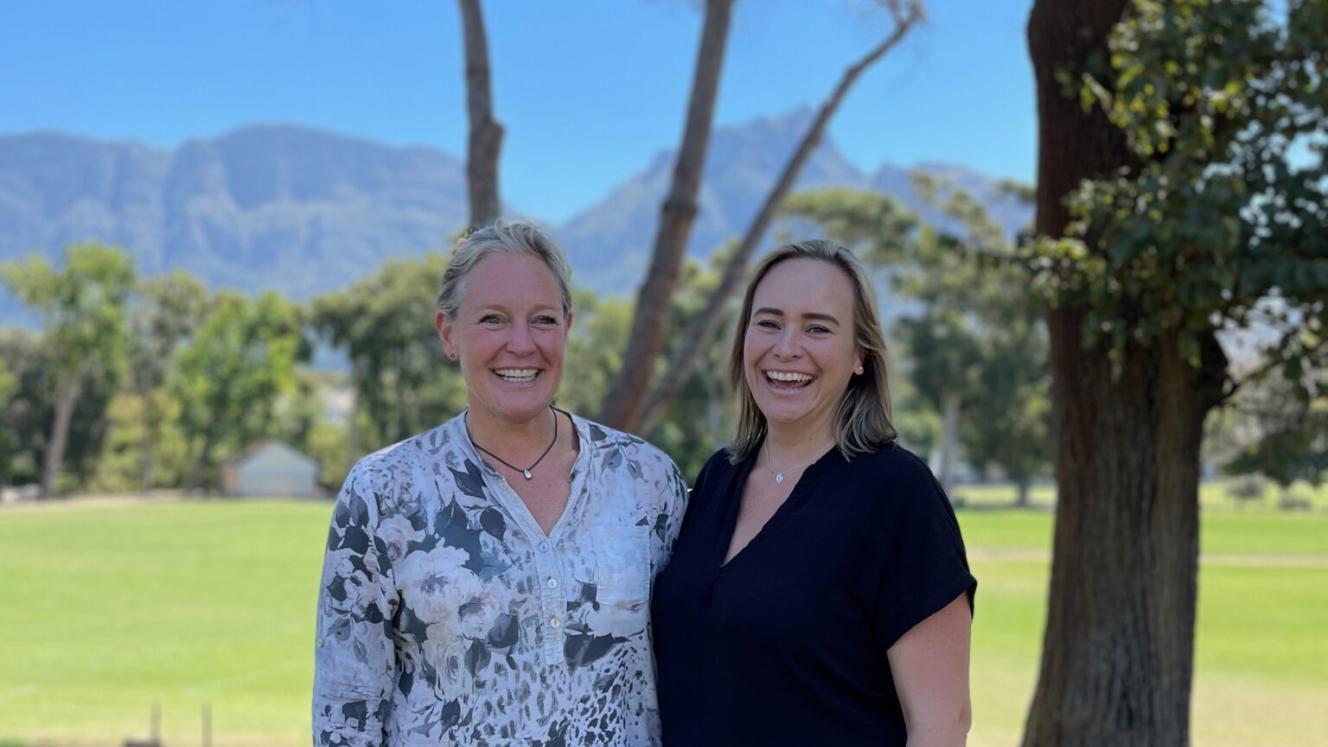
Speaking to Tourism Update, Allie Hunt, OurAfrica.Travel Co-Founder, said the platform continues to play an important role in connecting African suppliers with global buyers.
“I see it as the gateway to all the trade shows for the year,” she said.
Hunt explained that the platform allows suppliers to identify potential partners early in the year before committing to more costly international travel.
“It’s the gateway to reset, choose your audience, know who’s out there and make it easy and approachable.”
Digital relevance remains strong
OurAfrica.Travel was launched in 2020 as a virtual trade platform during COVID-19 travel restrictions. Organisers say the format has continued to evolve as the industry adapts to a hybrid mix of digital and in-person engagement.
According to Storm Napier, OurAfrica.Travel Co-Founder, digital platforms remain a critical component of modern travel trade operations despite some resistance within the industry.
“Recent events have shown us that digital is so important to our business. Many people dislike digital but the reality is digital forms such an integral part of our business now,” Napier said.
The platform enables suppliers to connect with a large number of buyers without the costs associated with international travel, she added.
“When you’re driving 210 exhibitors and 345 buyers into one space at the same time, there’s a sense of urgency,” Napier said. “The value goes way beyond just the three weeks of the show and the one week of meetings.”
Exhibitor growth and buyer mix
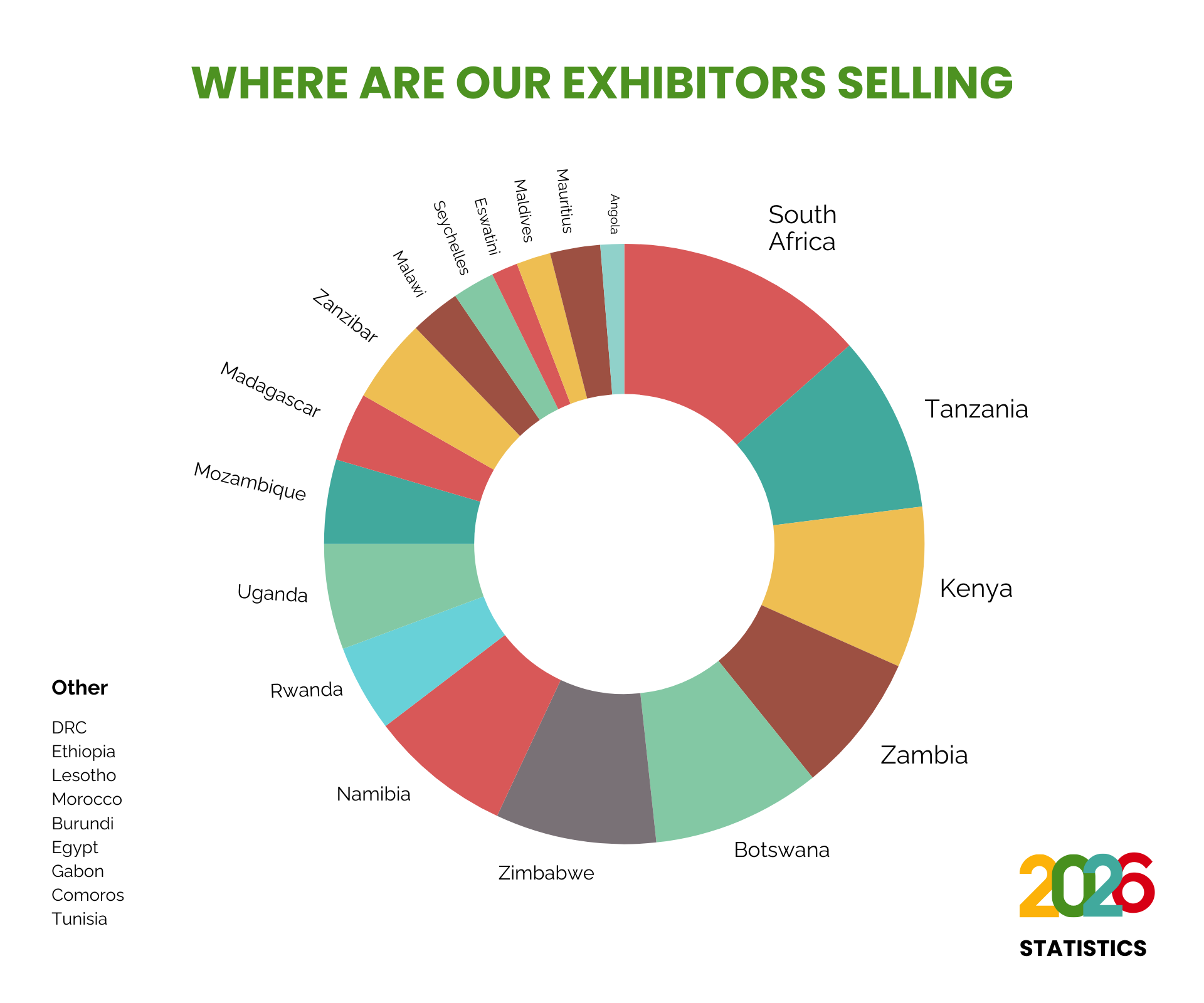
The 2026 edition will feature around 210 exhibitors. According to the organisers, a number of new companies have joined the platform.
However, buyer recruitment has been more challenging this year, according to Hunt.
She attributes this partly to timing challenges and global disruptions affecting buyers’ clients.
“With the Middle East conflict now, we have lost some key buyers on the platform because they are involved in moving clients and changing plans,” Hunt said.
Despite this, the platform continues to attract a broad mix of international buyers.
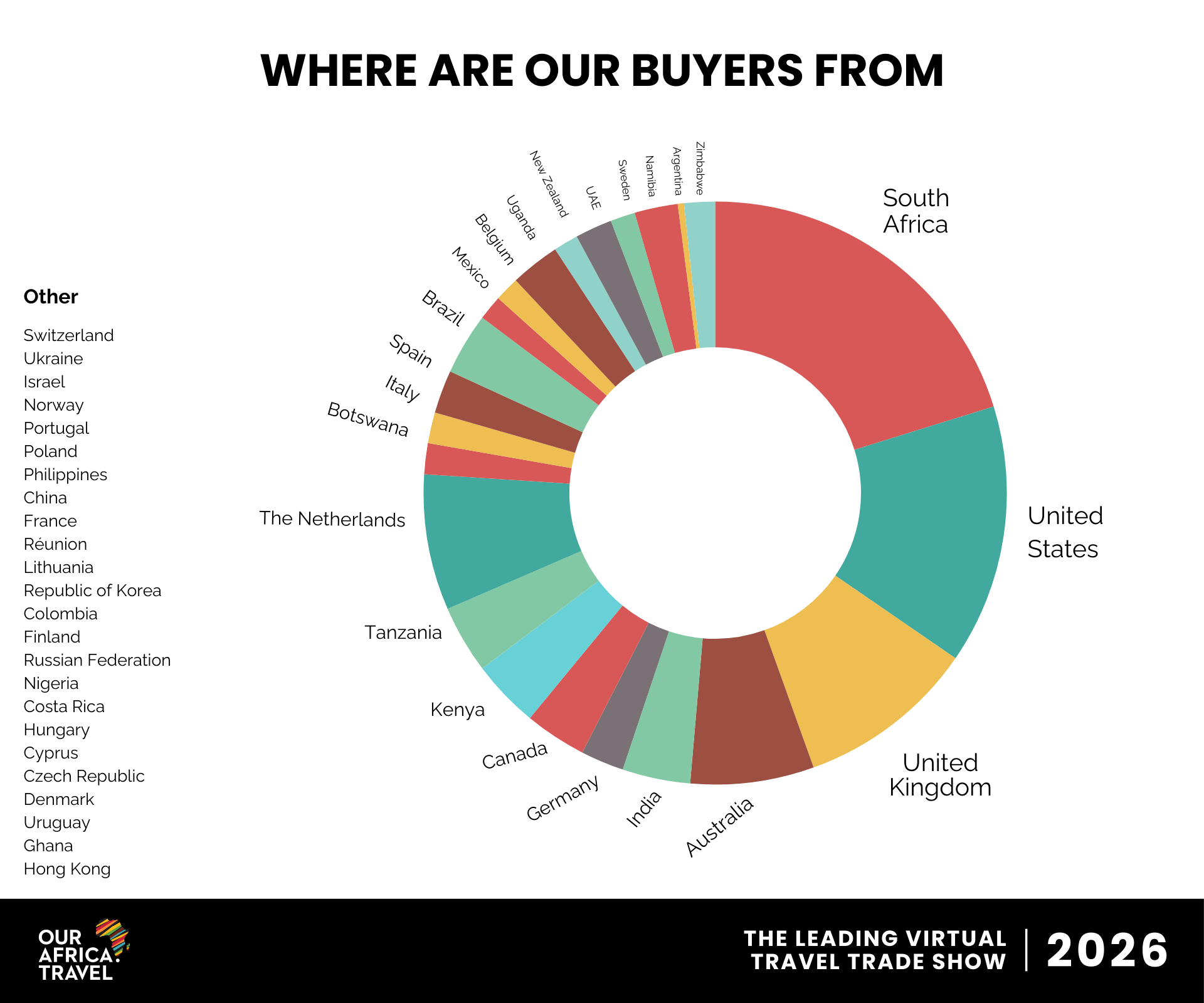
Hunt said the majority operate within the luxury travel sector, ranging from large destination management companies to independent travel consultants.
“Our biggest draw card is the US market, which is great because that’s predominantly the market that most people are going for in Africa because they do have bigger budgets.”
Other key markets include the UK and Australia. Many buyers are based in South Africa but represent international companies.
Platform developments
The platform remains largely unchanged this year but has introduced new functionality allowing multiple participants to join meetings from the same company.
According to Hunt, this makes it easier for teams across different locations to participate in meetings.
The show has also introduced destination training modules developed with the Travel Hub Collection, covering destinations across Africa and the Indian Ocean.
Partnerships and collaboration
Collaboration with industry organisations remains central to the event’s strategy.
Partners include Wetu, ATTA, Knightsbridge, Umlingo Travel PR, Africa’s Eden and We Are Africa Local.
Napier said these partnerships strengthen the platform’s reach and credibility.
Focus on community and conservation
The event also includes a community and conservation initiative enabling participants to nominate projects needing support.
Organisers say the programme has distributed roughly R100 000 (US$5 946) in donations over the past five years.
The initiative has been formalised through a partnership with Africa’s Eden Tourism to improve accountability and impact reporting.
“We cannot have community and conservation without each other. We would have no products,” Napier said. “It needs to be upliftment that has longevity, which creates opportunities.”
Role in the trade landscape
Looking ahead, organisers believe the platform will continue to complement physical trade shows rather than compete with them.
According to Hunt, its primary role is to help suppliers and buyers establish connections before attending larger international events.
“This platform should be the starting block for the year and work out who you want to connect with at those trade shows face to face.”
Early digital engagement can help make in-person meetings more productive later in the year, Hunt said.