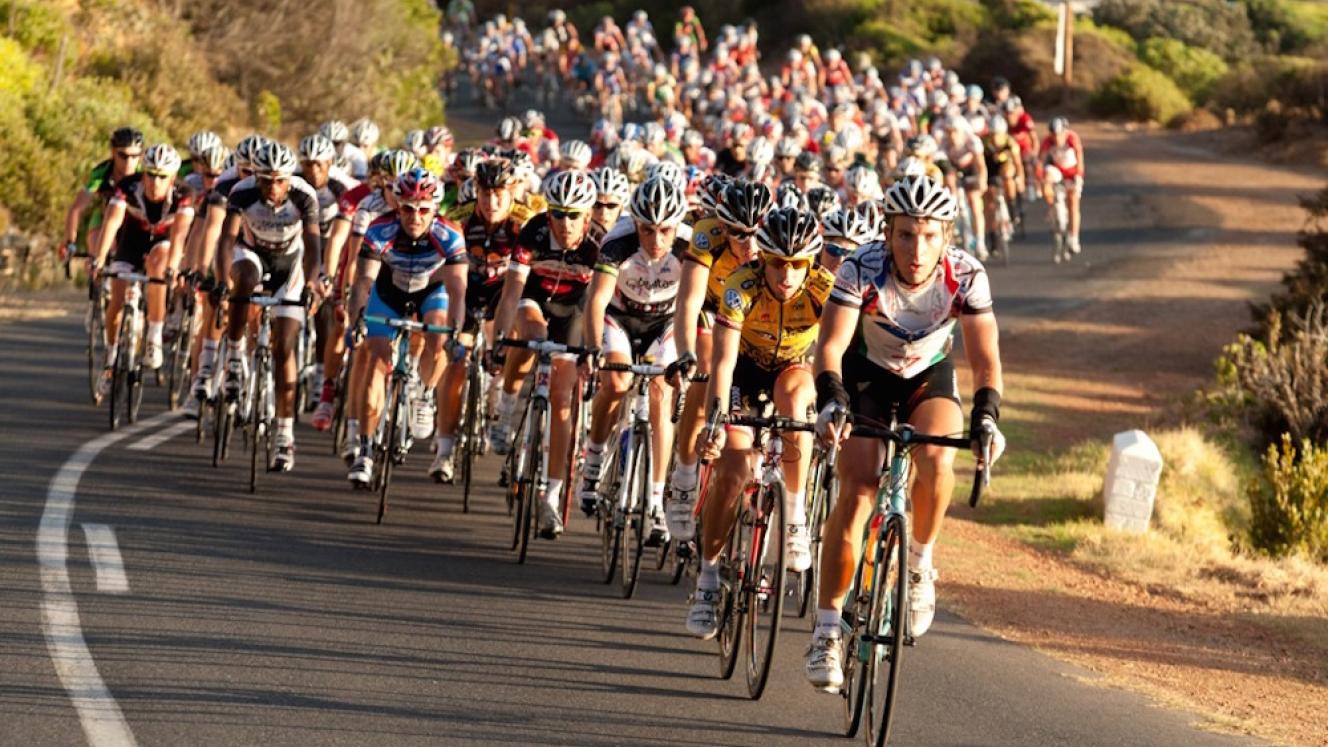
After a great deal of thought and discussions with stakeholders, the Cape Town Cycle Tour Trust agreed that, in addition to taking the tour off the municipal grid, it would offset the water footprint of the estimated 15 000 participants from beyond the Western Cape.
“It is estimated that visitors coming to Cape Town for the event will use between 1.5 million to 1.75 million litres of water over the duration of their stay. The Cape Town Cycle Tour Trust, which represents our two key beneficiaries, has therefore committed to taking some of the money that would have gone to charitable distribution to purchase an amount of two million litres of spring water sourced only from licensed and fully tested suppliers, and from an area not experiencing drought,” the Cape Town Cycle Tour said in a statement.
“We are working closely with the City of Cape Town around the mechanics of how this water will be introduced back into the municipal reticulation system.”
It is also in the process of rolling out a comprehensive communications plan aimed at both locals and out-of-town participants, making the importance of the situation in Cape Town clear and providing information on how riders are expected to behave. “We will also ensure our hospitality partners take this even further. It is vitally important that all visiting participants understand the dire situation that exists in the Cape.”
In addition to the steps outlined above, the Cape Town Cycle Tour will take the following initiatives to ensure that this year’s event is off the water grid:
- All suppliers related to the tour will sign service level agreements specifying their usage and where that water comes from, and will require a commitment to our Water Policy. No suppliers may utilise water for our event that comes directly off the City Grid.
- The cycle tour has 360 toilets that are used throughout the event. Sanitech is the service provider and all water used by them will be grey water, obtained from various treatment plants.
- Waterless soap solutions are being provided instead of wash basins for handwashing.
- They will be monitoring and educating spectators on the route to ensure there is no spraying down of cyclists or portable pools in use on event day.
- All water ballast previously used for weighting down structures has been changed to cement blocks.
- All refreshment station water will be privately supplied and will not come from the City water grid.
- They are also providing clearly marked grey water systems, whereby excess water will be put into grey water bins provided and taken to a water treatment plant after the tour.