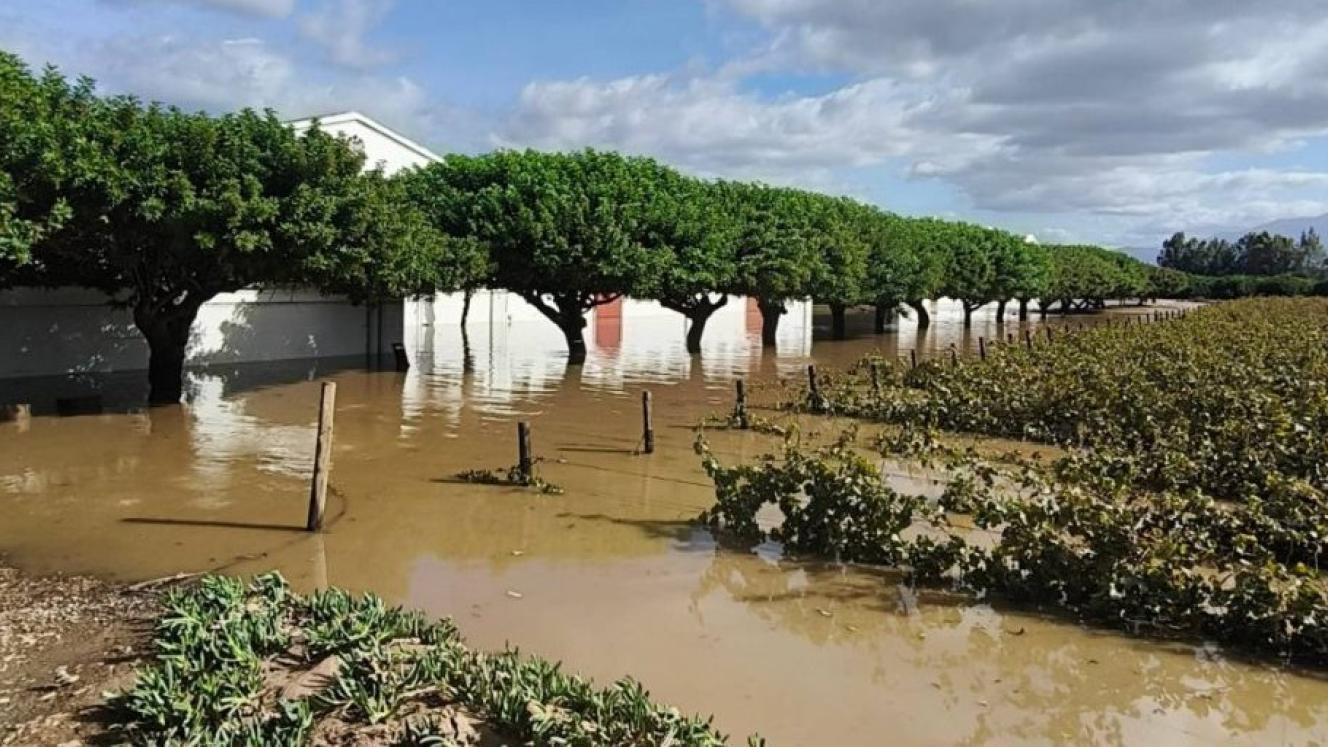
The Cape Winelands is assessing the fallout from devastating flooding along the Breede River with some of the best-known wine farms suffering extensive damage to vineyards, infrastructure and tourism operations following days of heavy rain across the province.
Among the hardest hit are Van Loveren Family Vineyards, Springfield Estate and De Wetshof Estate in the Robertson Valley where floodwaters submerged vineyards, swept away new plantings and damaged roads, pump houses and winery infrastructure.
Van Loveren sustained severe damage after water levels reached two metres throughout its winery, damaging homes, equipment and 1.3 million bottles of stock while Springfield Estate’s 90ha of vineyards were underwater.
“This is definitely the largest flood that has happened in the past 100 years, if not more, in the Breede,” Van Loveren CEO Phillip Retief told News24.
The broader tourism sector has also been affected. The Western Cape government has announced the indefinite closure of the Franschhoek Pass after severe storm damage rendered the route unsafe for all road users without exception, including light motor vehicles, heavy vehicles, motorcycles, pedestrians and cyclists.
Roadblocks have been established at two key points to prevent access:
- At the mountain-side exit of Franschhoek town
- Controlling the T-junction near the Theewaterskloof Dam
While the full extent of the damage is still being assessed, wine industry representatives say the priority remains the safety of affected communities and restoring operations as quickly as possible.
Marili McElhinney, Marketing Manager at Van Loveren Family Vineyards, told Tourism Update that the flooding has significantly disrupted the farm’s tourism operations and infrastructure.
“While precautionary measures were implemented ahead of the flooding, the scale of the water damage was unprecedented,” she said.
“Various operational areas, including storage facilities and infrastructure on the farm, were affected, resulting in temporary disruptions to tourism, production and cellar activities. Clean-up and recovery operations are currently underway as teams work around the clock to restore affected areas safely and efficiently.”
Van Loveren’s tasting rooms remain temporarily closed while recovery and clean-up efforts continue.
“The goal is to reopen operations within the next one to two weeks, depending on progress and safety assessments. Updates will continue to be shared with visitors and tourism partners as operations resume. While the visitor experience has been disrupted in the short term, the team is working hard to restore hospitality operations and welcome guests back as soon as possible,” McElhinney said.
The flooding has also affected travel plans across the region, she added.
“Naturally, the flooding and broader impact on the region have resulted in some disruptions to visitor travel plans and cancellations, particularly as certain roads, wine farms and tourism facilities across the area were temporarily inaccessible.”
However, McElhinney said support from visitors and tourism partners has been encouraging.
“There has been an incredible outpouring of support from loyal visitors, partners and the broader community during this time.”
Full impact unclear
Rico Basson, CEO of South Africa Wine, said it is still too early to determine the full impact of the flooding on the Cape’s wine tourism sector.
“At this stage, it is still too early to quantify the full impact as water levels have only recently subsided in several areas and on-site assessments are still underway.”
Basson said the most immediate challenges related to electricity supply, water infrastructure, accessibility and the well-being of affected communities and farm workers.
While several agricultural regions have been affected, the broader impact on wine tourism appears to be limited for now, he added.
“Any disruptions are likely to be localised and largely linked to access challenges, damaged roads or bridges or accommodation establishments directly affected by flooding. The majority of wine tourism experiences across the province remain operational and accessible.”
Basson said organised agriculture is working with government structures to coordinate relief efforts and assess possible financial support mechanisms for affected businesses.
For Van Loveren, the focus now extends beyond rebuilding damaged infrastructure.
“Beyond the operational impact, this disaster has deeply affected many families and farming communities across the region, including members of the Van Loveren team who lost homes and personal belongings,” said McElhinney.
“Despite the devastation, the spirit of collaboration, compassion and resilience shown over the past few days has been extraordinary and continues to inspire us as we move forward.”