Airlines and industry associations have welcomed Acsa’s expanded infrastructure and maintenance programme, but caution that reliable airline services for travellers will depend on consistent execution and sustained investment after years of under-maintenance.
In 2024, Acsa secured approval for R21.7 billion (US$1.4 billion) in earmarked capital expenditure for airport infrastructure development. While the initial focus was largely on terminal expansions and passenger-focused improvements, consultations with aviation industry stakeholders highlighted the importance of core airport infrastructure in supporting operational growth and a positive passenger experience.
“This endorsement emphasises the industry’s commitment to a robust aviation sector that puts efficiency, sustainability, and passenger satisfaction at the forefront,” said Aaron Munetsi, CEO of Airlines Association of Southern Africa (Aasa).
“The objective is not only to align the infrastructure upgrades with real-world operational needs but also to position our airlines as well as Acsa's airports at the same level as world-class hubs. These airports must be capable of handling increased traffic and advanced aircraft technologies and ever-increasing demand for the best traveller experiences.”
Acsa to overhaul SA airports
Ofentse Dijoe, Acsa Group spokesperson, confirmed that a series of critical infrastructure and maintenance projects will commence and be completed during the coming financial year at OR Tambo International (JNB), Cape Town International (CPT) and King Shaka International (DUR) Airports. These projects are intended to improve both operational performance and the passenger experience.
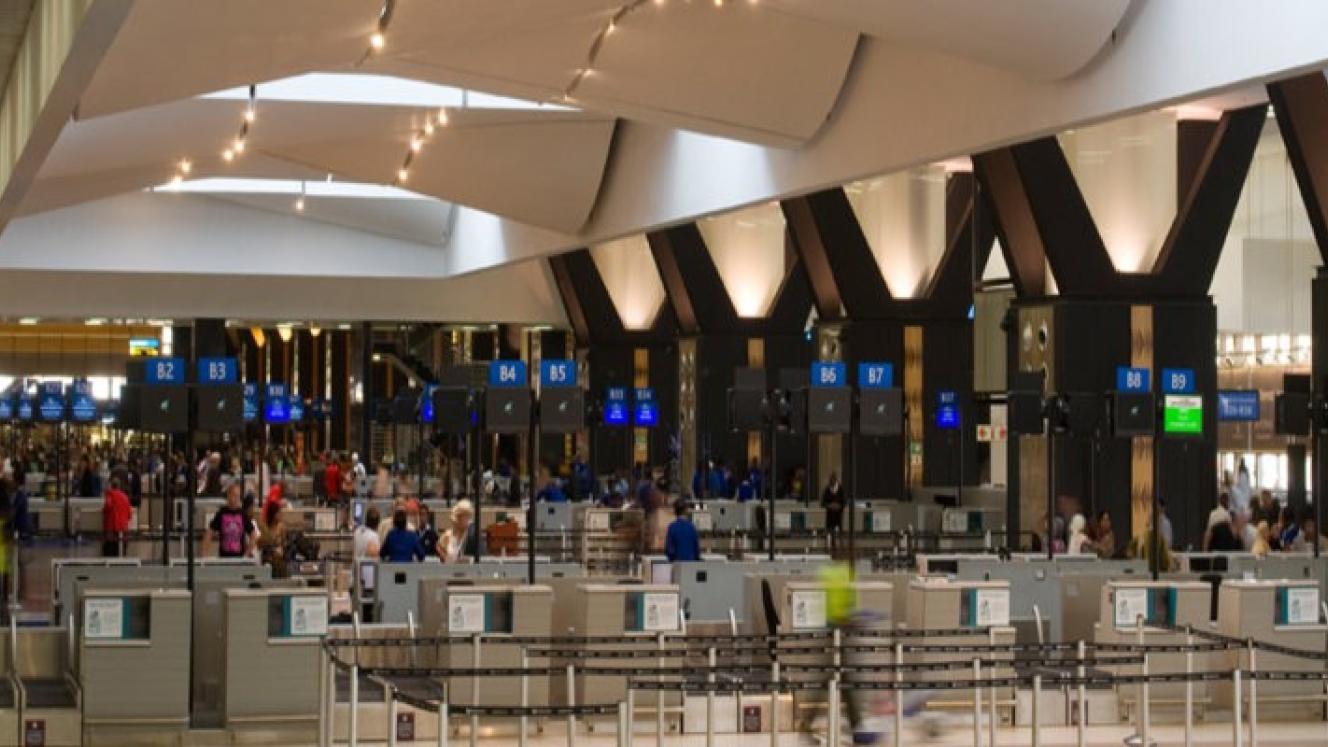
Earlier this month, Acsa provided an update on its passenger experience projects at JNB, including refurbished escalators and travelators, new seating, enhanced signage and upgraded ablution facilities. Dijoe added that the airport would also see the installation of additional jet fuel infrastructure, as well as fire detection and suppression upgrades.
“Improvements to power resilience, fuel infrastructure, fire systems, navigation aids and weather monitoring are absolutely critical,” FlySafair Chief Marketing Officer Kirby Gordon, told Tourism Update. “This work represents the essential baseline, addressing fundamental infrastructure that must function flawlessly before broader operational or passenger-facing improvements can be meaningfully pursued.”
At CPT, Dijoe outlined progress on several long-anticipated projects aimed at improving capacity and facilities. He confirmed that the design phase for the domestic arrivals terminal, including the installation of new Gates A13, A14 and A15, had been completed. The international terminal upgrade and realigned runway projects will commence next year.
“Terminal and runway developments, particularly at high-traffic airports, support more efficient aircraft turnaround and passenger flows,” said George Mothema, CEO of the Board of Airline Representatives of Southern Africa (Barsa).
At DUR, Acsa’s upcoming projects include trolley repairs and replacements, the renovation of ablution facilities and the refurbishment of the airport’s multi-storey parking facility. These projects will run alongside more operationally focused initiatives aimed at improving airside infrastructure and security measures.
Benefits to come
Airlines and associations say the infrastructure and maintenance programme should strengthen operational reliability, enabling airlines to reduce their costs, minimise delays and ensure quick turnaround times, offering long-term benefits to passengers.
Mothema explained that the realisation of the full benefits of this maintenance programme depends on the successful implementation of all the different projects. He argued that a failure in any single area of focus, be it fuel, power or navigation, could cause immediate, widespread disruption for airlines and passengers.
“Only once these fundamentals are firmly in place can the industry begin to unlock more advanced, world-class improvements, such as faster and more convenient passenger screening, improved digital processing, and biometric boarding solutions. Those innovations offer significant long-term benefits, but they depend on robust underlying infrastructure and systems,” said Gordon.
Calls for consistency
Despite broad support for the programme, stakeholders stressed that much of the work reflects delayed maintenance and called for more reliable and consistent infrastructure and maintenance to support operations.
Gordon explained that, due to the backlog in maintenance, Acsa has had to commit to a large, concurrent wave of investment and multiple complex projects rather than incremental investments through a more consistent programme of ongoing maintenance and improvements.
"Aviation infrastructure decay and failure among our service providers causes economic and reputational harm to the country, airlines and their customers. With this in mind, Airlink cautiously welcomes Acsa’s most recent announcement to enhance passenger experience infrastructure. However, it is essential to ensure these projects are all delivered on time, within budget, with strong governance and oversight and that they improve operators' efficiency and the user-experience for airlines and their customers,” Airlink CEO de Villiers Engelbrecht told Tourism Update.
Gordon added: “The current investment programme is an important and overdue step in strengthening the backbone of South Africa’s airport network. It lays the groundwork for future progress, but there remains a broader horizon of modernisation that will need to be addressed over time, and we need to see a commitment to continuous maintenance and improvements.”