A decrease in the value of the rand usually has a positive spin-off for tourism in South Africa, letting foreign currencies stretch further than in other long-haul destinations. However, there are a few grey areas that do not make it a cut and dried situation.
In 2015, tourism in SA declined due to factors such as visa processing capacity constraints, unabridged birth certificates and the Ebola outbreak, among many others. In 2016 the rand took a knock and tourist arrival numbers improved. SA received over ten million tourists, resulting in a 12.8% increase on 2015 numbers.
Aside from some relaxation in visa requirements, the rand’s depreciation can also be cited as a contributing factor to the increase in foreign tourists to SA.
“The challenge of the weaker rand is that it’s a short term but much-needed windfall for the industry. However, businesses’ strategies are geared to more long-term sustainability, thus will continue to market their product offerings accordingly,” says Charnel Kara, Tourism Specialist at First National Bank.
Hospitality-related businesses usually hedge the rand against foreign currencies at a certain level, thus, foreign tourists coming to SA benefit from a stronger currency against the rand at a particular point in time.
“Currency fluctuations are not under the businesses’ control. Business should still take cognisance of increased input and operational costs that may dilute any sort of benefit from the depreciated rand. These include hikes in food costs, fuel, administered prices like electricity, gas and property rates – these are costs absorbed by business owners and are usually ahead of inflation; they also usually result in a negative effect on the bottom line,” says Kara.
Hoteliers and tourism-related businesses are mitigating costs by implementing, among others, green and energy-saving concepts, innovative pricing and revenue management, low debt gearing levels, creative hotel/tour packages, loyalty cards, aggressive destination marketing and collaborations with relevant government departments.
A weaker rand makes imported items and overseas travel more expensive for SA consumers.
Businesses that feel the negative effect of a weaker rand are those focused on the outbound travel market. Those most likely to benefit are the Meetings, Incentives, Conferences, and Events (MICE) sectors, according to a recent press release by FNB.
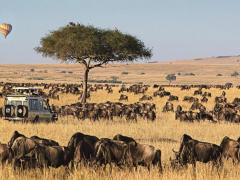
A market that is likely to benefit from the weak rand is the luxury safari market, as often these luxury safari packages and rates are all inclusive. In addition, neighbouring countries such as Zimbabwe and Botswana price their packages in US dollars, making SA an even more attractive destination in terms of value for money.
Businesses can do various things to mitigate currency fluctuations by avoiding hiking rates and pricing competitively, making their package seem more attractive.
“Decreasing operational costs assists in improving a business’s bottom line. Managing costs balanced with achieving the right occupancy level at a competitive rate is where businesses will win and remain sustainable over the long term,” concludes Kara.