Vergelegen in Somerset West has recorded a series of wildlife births across its 3 000 hectare wine estate, which includes a 400 hectare game camp within a 1 980 hectare nature reserve.
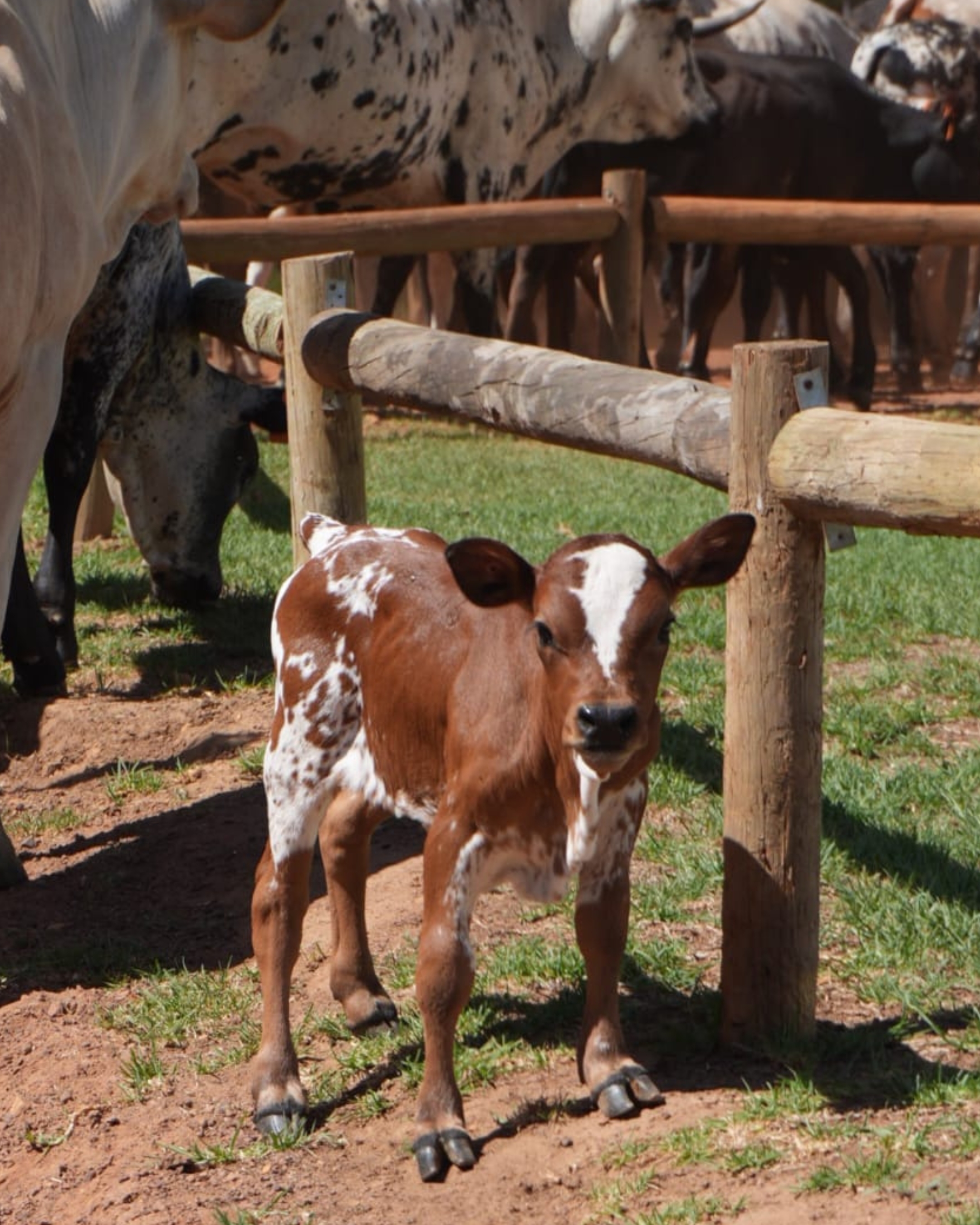
A dwarf Nguni calf was born on December 26 last year. The calf, with short legs and a brown-and-white spotted hide, is expected to reach between knee and waist height when fully grown.
“Dwarf Nguni cattle have a much shorter lifespan than standard Nguni – usually around four years compared to up to 20 years for a normal Nguni,” said Eben Olderwagen, Vergelegen Environmental Manager. “His mother is very protective and closely monitors anyone who approaches.”
The calf joins another young Nguni, Henry, who is mostly white. Henry was bottle-fed and has formed a bond with Hospitality and Events Manager Sue Steenkamp.
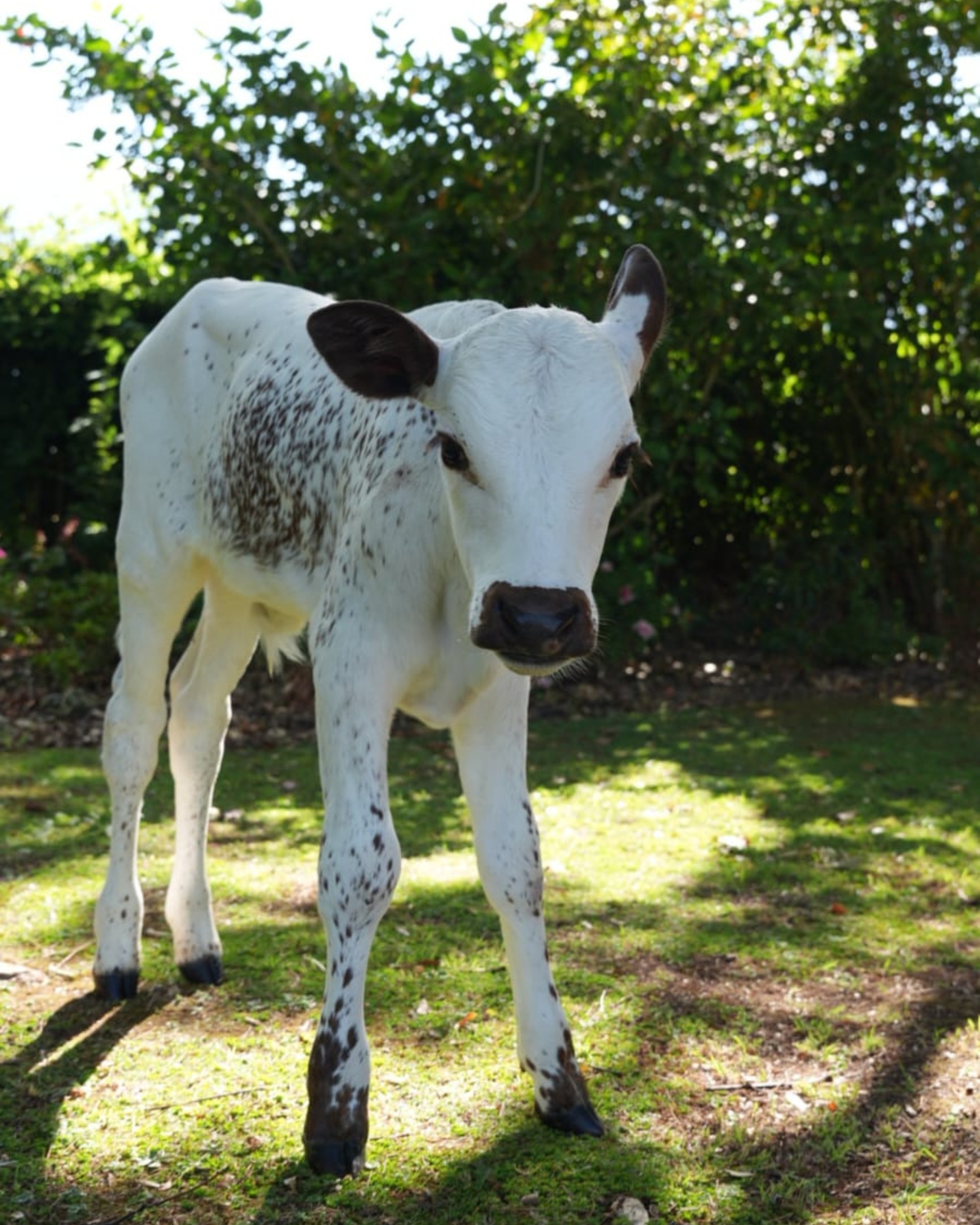
Vergelegen recorded 133 Nguni calves between July and September last year, bringing the total Nguni herd to about 450.
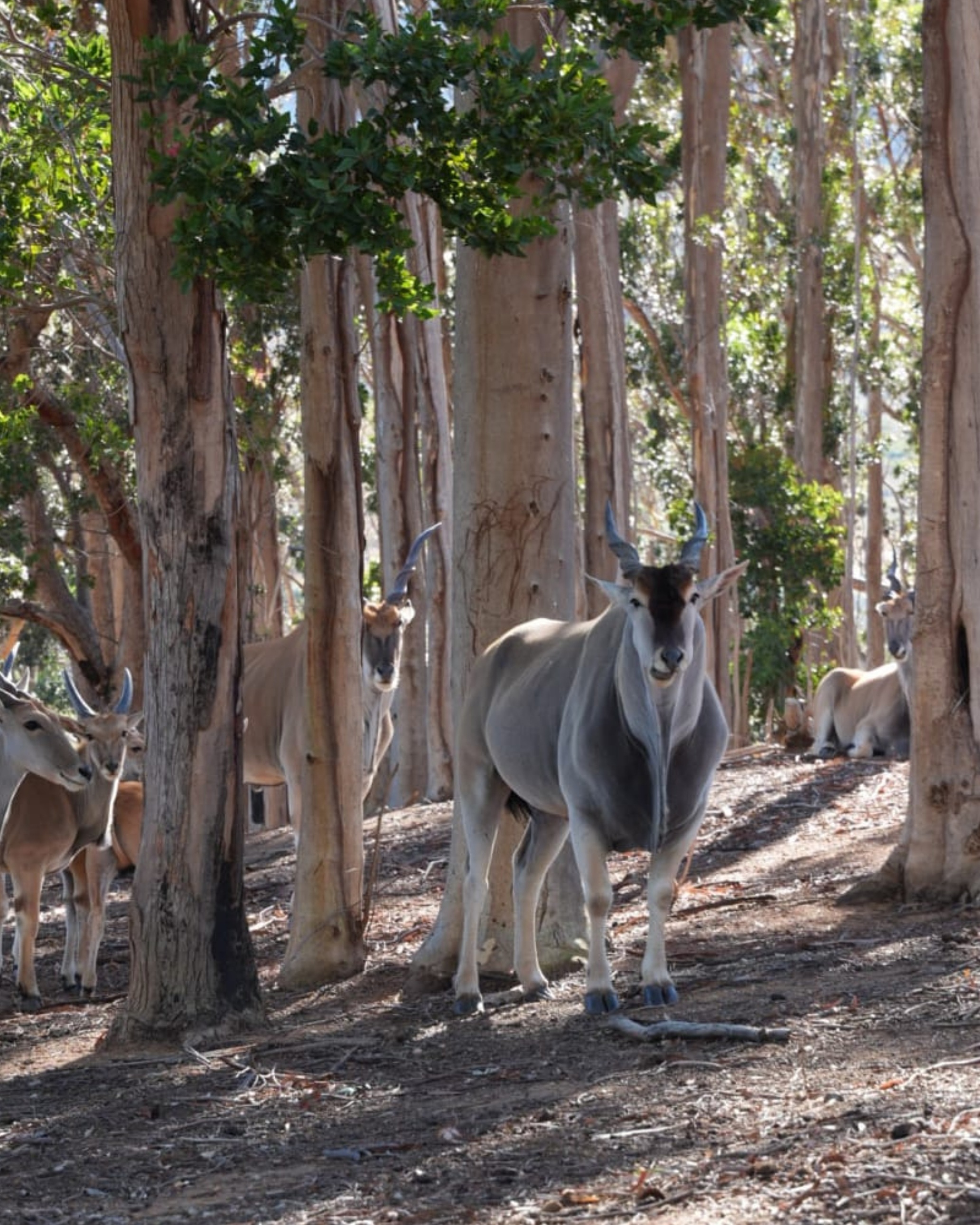
Two eland calves were born in mid-December 2025, increasing the estate’s eland population to 11. The original five animals were introduced in July 2020 from Elandsberg near Wellington to monitor grazing impacts on fynbos and grasses.
Seven bontebok lambs were born in October 2025, bringing the total bontebok population to about 90. “Young females are reaching breeding age and new breeding groups are forming as young males establish their territories,” said Olderwagen. Bontebok were introduced in 2008 with 13 animals from the Helderberg Nature Reserve.
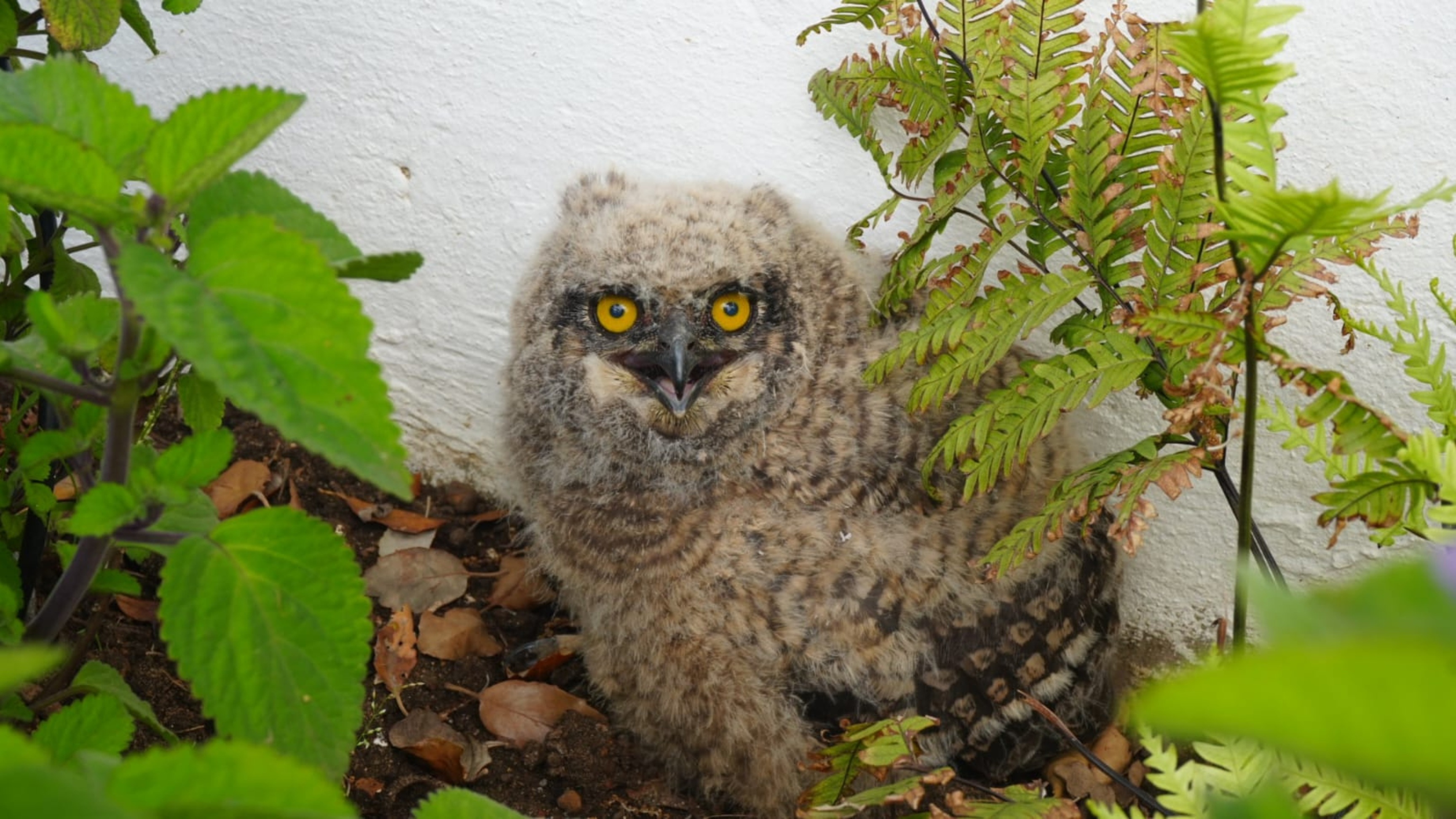
Two spotted eagle owl owlets were found out of their nest in November 2025 and fed by their parents until they could fly.
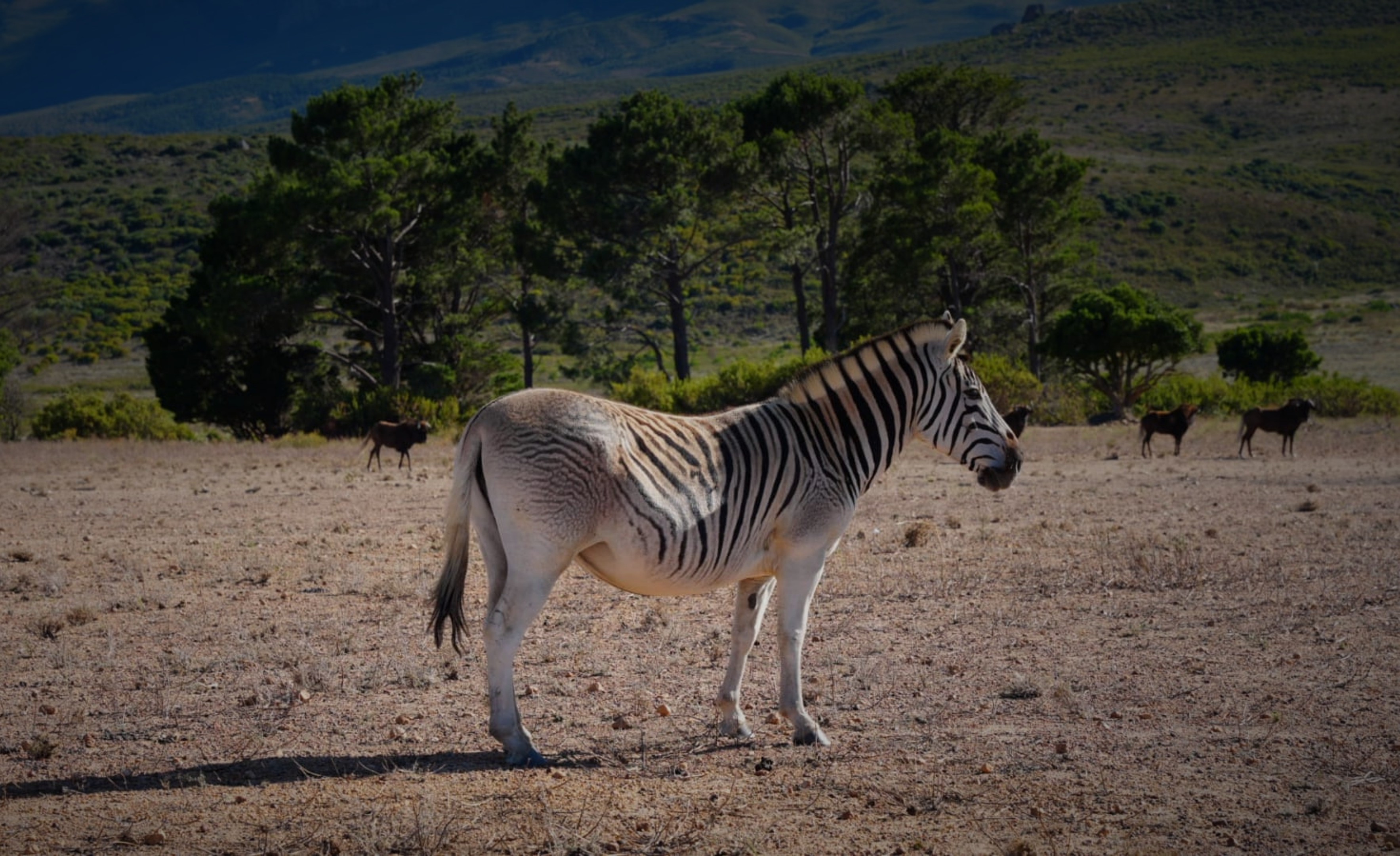
Two Rau quagga mares are heavily pregnant. Vergelegen currently has 10 Rau quagga introduced from Pampoenvlei in the Atlantis-Darling area in May 2022. The breeding programme aims to recreate animals resembling the extinct quagga.