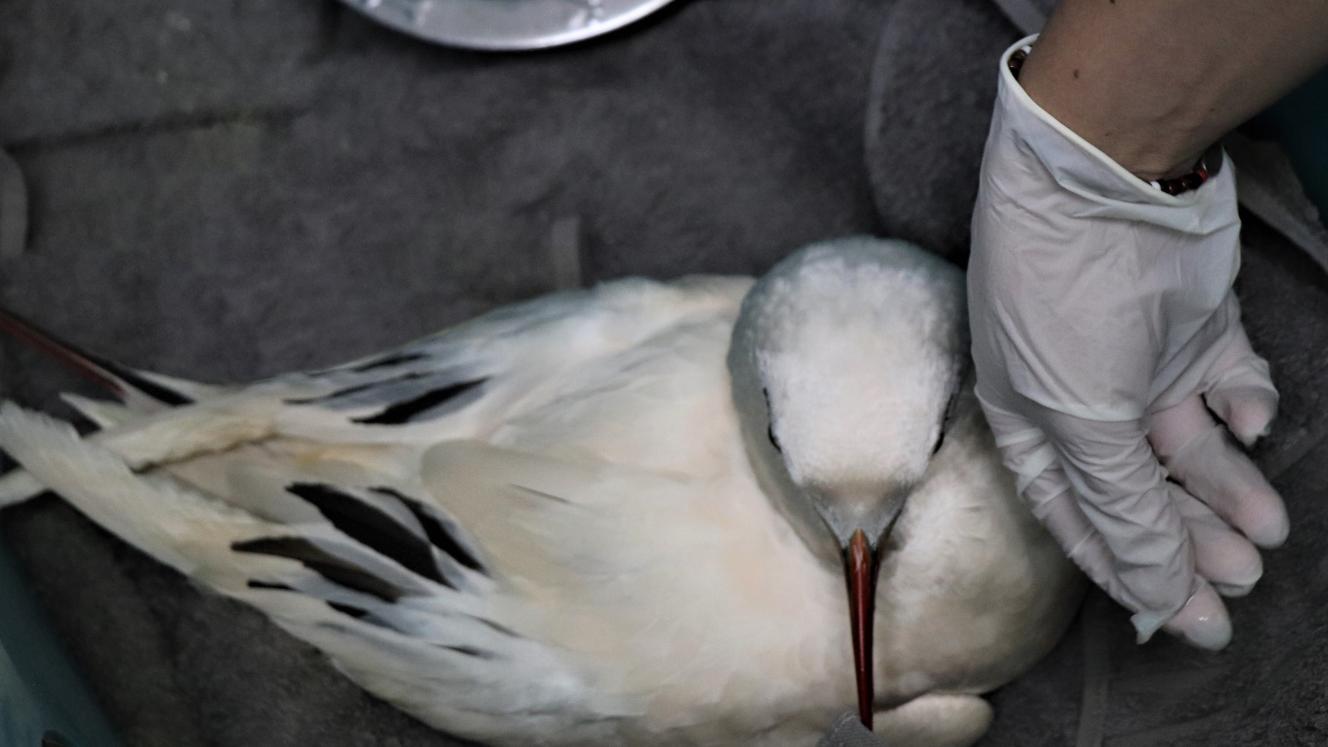
A red-tailed tropicbird has been discovered in the semi-desert town of Calitzdorp – 80km, as the crow flies, from the closest beach.
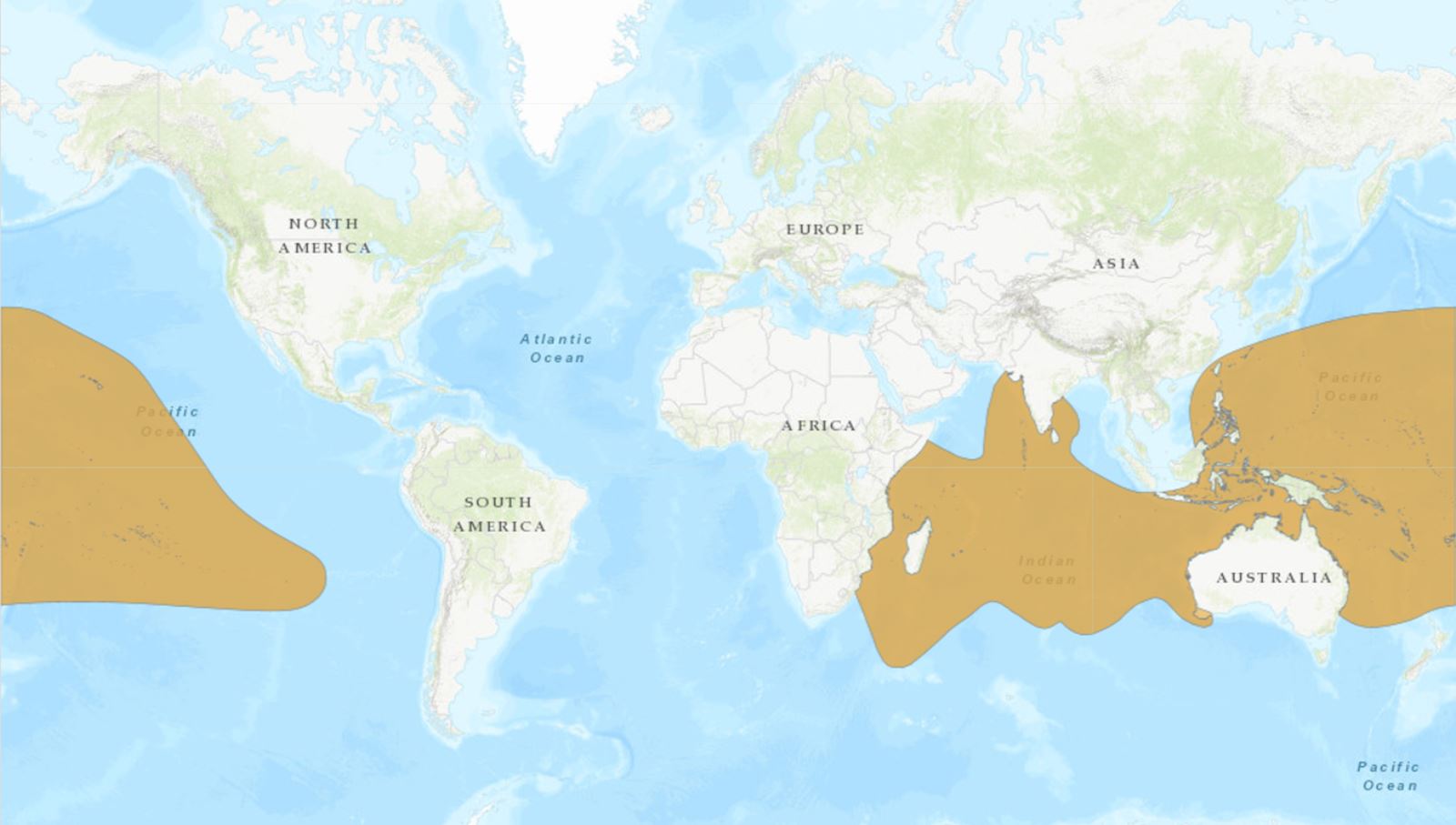
On February 2, the bird was discovered in Bergsig, Calitzdorp – a phenomenon, as they usually breed on remote tropical islands as far east as the Hawaiian islands and the south-west Australian coast. They are also known to breed on the coast of Mozambique.
The bird was discovered by Joseph, a young local boy, who noticed a group of other youngsters looking at something. On investigation, he discovered what bird enthusiasts would refer to as ‘the most bizarre bird sighting in recent Klein Karoo history’.
He rescued the bird from the crowds and took him to Karen Whitely, resident and animal welfare activist, who then reported the finding and delivered the bird to the Cango Wildlife Ranch. The bird was taken to a veterinarian to be examined and no injuries or breakages were detected. He weighed 550g, not far off the breed’s 600g to 800g range, which meant he hadn’t been ‘lost’ for too long.
Following advice from a specialist in marine birds, the Cango team started feeding him squid, and he is becoming more energetic and ‘talkative’. As human contact damages the waterproof plumage, the Cango team make use of gloves when working with the rescued bird.
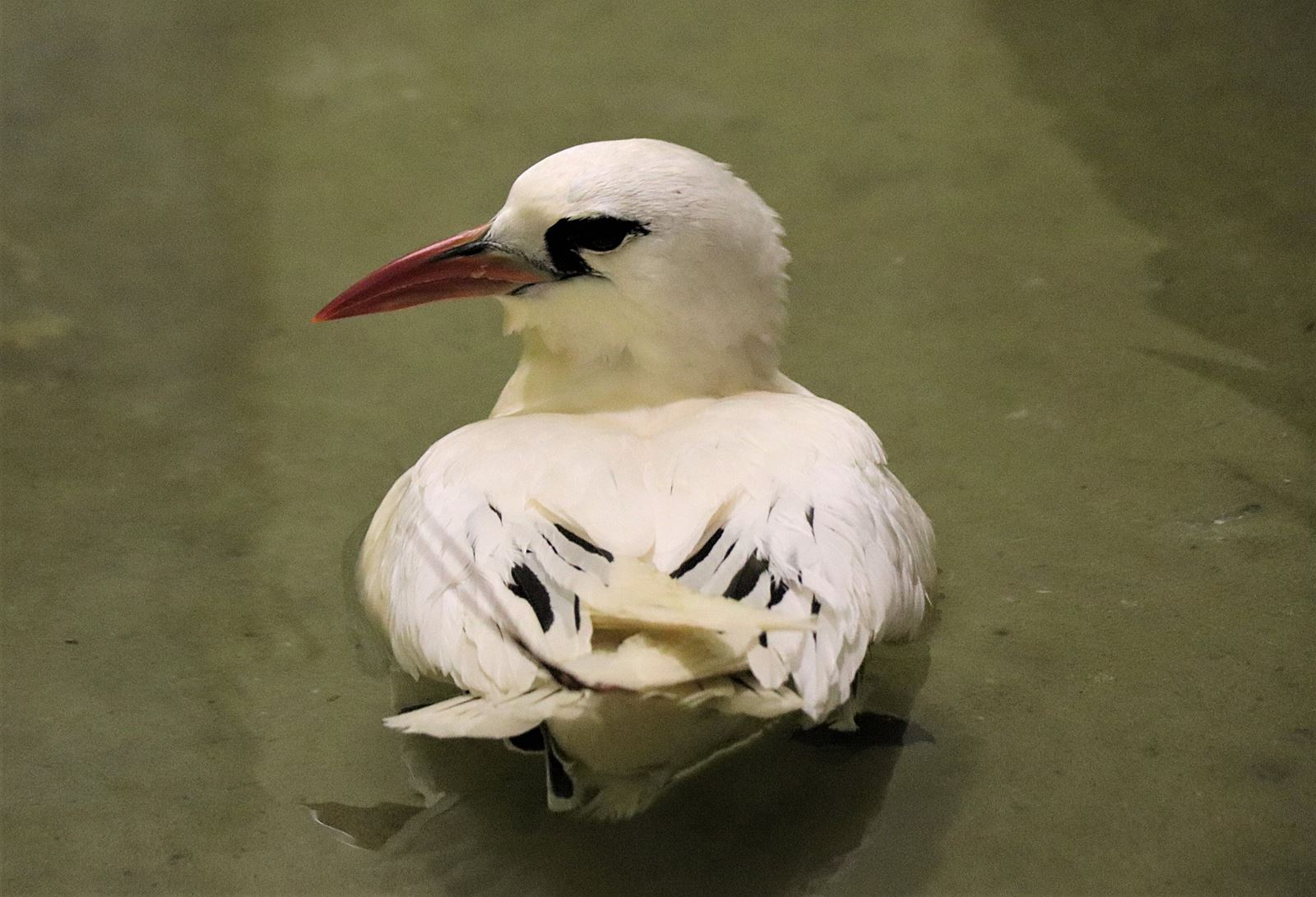
The Cango Wildlife Ranch team have reported the bird to the Southern African Foundation for the Conservation of Coastal Birds (SANCCOB), and applied for permits to transport it to the SANCCOB foundation in Cape Town to ensure its long-term wellbeing.
“He is temporarily safely residing in Cango Wildlife Ranch’s Animal Care Centre,” say the Cango team. “Due to their species-specific need for water, three lukewarm baths (between 29 and 30 degrees Celsius) are drawn for him every day for much-needed, and much-enjoyed, swim time!”
Narinda Beukes – Director: Zoological of Cango Wildlife Ranch’s Animal Care Centre, says: “Though we don’t really have the means to house a seabird in the Klein Karoo, we are doing everything in our power to make sure he has the best care whilst with us.”
The hope is to release the bird – which was affectionately named Karoolus (meaning: a desire for the Karoo), back into the wild. “The riddle of how he made it to Calitzdorp remains exactly that – a riddle, which has had bird enthusiasts and professionals scratching their heads in disbelief,” says the Cango team. “The Cango Wildlife Ranch team will be delivering Karoolus to SANCCOB themselves, to make sure he travels safely with minimal stress, and to hand him over with peace of mind.”