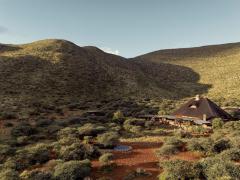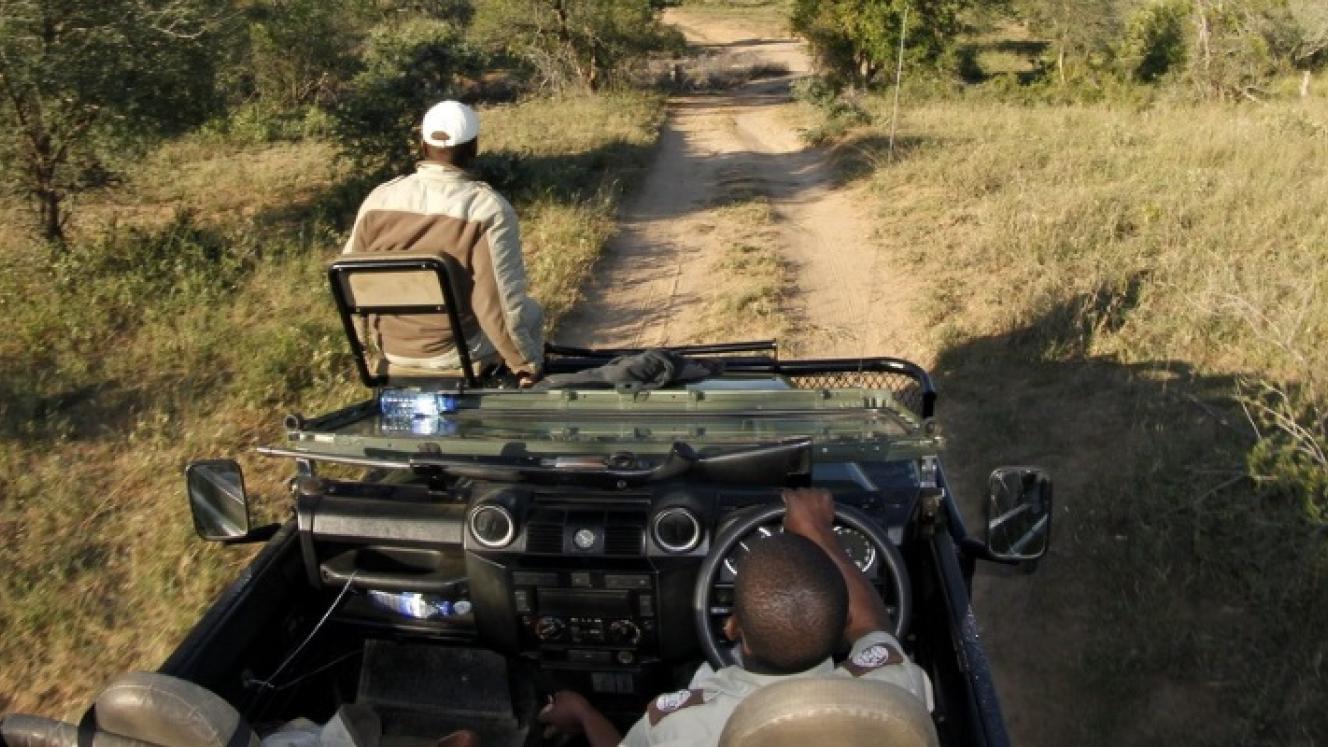
A Fair Trade Tourism (FTT) consortium has been awarded a tender to develop responsible tourism criteria for the Greater Kruger Protected Area (GKPA).
The tender forms part of a large-scale Global Environment Fund programme to promote the wildlife economy and associated socio-economic development of the region. The project’s implementation is facilitated in the Lowveld and Escarpment areas by the Kruger to Canyons Biosphere Region.
The GKPA includes not only the Kruger National Park, but its surrounding protected areas, such as the Manyeleti, Makuya, Letaba Ranch, Mthimkulu, Timbavati, Balule, Umbabat, Klaserie, Thornybush, Sabi Sand, MalaMala, Kapama, Makalali, the Kruger to Canyons Biosphere Region and Vhembe Biosphere. Hundreds of tourism businesses operate within this area, while the Kruger Park itself receives more than 1.4 million visitors annually.
FTT has compiled an expert team of consultants with a combined 60 years of experience in conservation management and responsible tourism development for the project. The consultants include FTT’s MD, Jane Edge; FTT Programme Manager, Ana Lemmer; Lisa Scriven of Levelle Perspectives; Steve Collins of the African Safari Lodge Foundation; Annie Sugrue and Dorah Marema of the Luhlaza Foundation; as well as Julian Sturgeon, a Rural Development Consultant.
Their task will include developing an assessment tool to ensure compliance with criteria aligned to South Africa’s Minimum Standards for Responsible Tourism, SANS 1162 (2011).
Edge said the responsible tourism criteria would align with the new management plan for KNP, which was drawn up after extensive consultation with 54 different stakeholder groups. “We are excited to be playing a role in the long-term development of the Greater Kruger, with its landscape-level vision and focus on local community empowerment. Implementing responsible tourism standards will play an important enabling role in helping to realise this vision.”
Glenn Phillips, Managing Executive of KNP, said the park’s new externally focused management plan would guide the GKPA’s approach over the next ten years. “It is important for all tourism operators in the GKPA to subscribe to a common vision of inclusive tourism that benefits the environment and local communities,” he said. “This can only be achieved through commonly applied responsible tourism practices.”
Don Scott, MD of Tanda Thula Lodge and a representative on the GKPA responsible tourism committee, said: “The conservation community has a new path ahead of it, with great efforts needed to integrate communities into the wildlife economy. The park’s new management plan is a shining example of how High Road thinking can lead to a thriving wilderness landscape.”