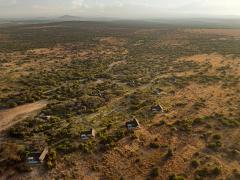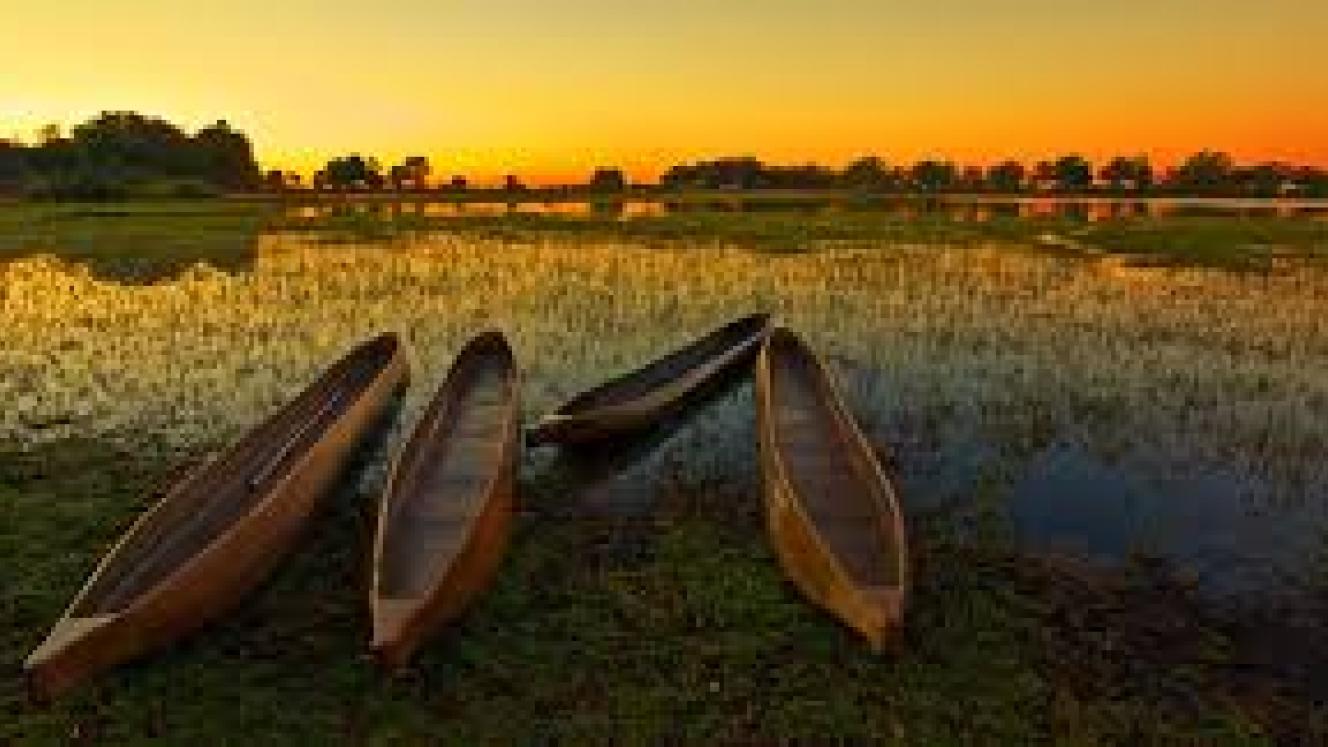
The Okavango Delta in Botswana is experiencing low water levels resulting in the suspension of various mokoro excursions.
Due to the late arrival of the rains this year and a hotter than usual September and October, Botswana’s water supplies are diminishing.
The animals of the Okavango Delta are bearing the brunt of this, particularly hippos, which require a certain water depth to remain comfortable. Due to the low water levels the hippos have become increasingly stressed while crowding in the remaining pools.
Water in the Delta comes from rainfall in the Angolan highlands and is usually replenished during the summer season by localised rain. Without the additional rain, the lagoons and waterways have reduced in size. This specifically affects the prime mokoro areas.
Wilderness Safaris has provided an operational update, which confirms that the general water levels in Botswana are very low at the moment, particularly where there is little to no permanent water. The country may still receive some rain over the next few months and the annual inundation does not arrive until April/May.
Water-based activities are currently limited at all Wilderness Safaris’ camps in the area, and may continue to remain like this for the next three to four months.
At Wilderness Safaris’ Seba Camp, Abu Camp and Jao Concession, all boating and mokoro excursions have been suspended. Currently, only mokoro excursions are on offer at Xigera Camp Qorokwe Camp. At Kings Pool Luxury Camp there is no barge at the moment. In the Vumbura Concession, all boating and mokoro activities are still on offer and at DumaTau there is boating all year round.
Kwando Safaris has suspended all mokoro activities at Kwara and Little Kwara camps until water levels increase so that no unnecessary pressure is placed on the hippos during this time, and to ensure the safety of guests and staff.