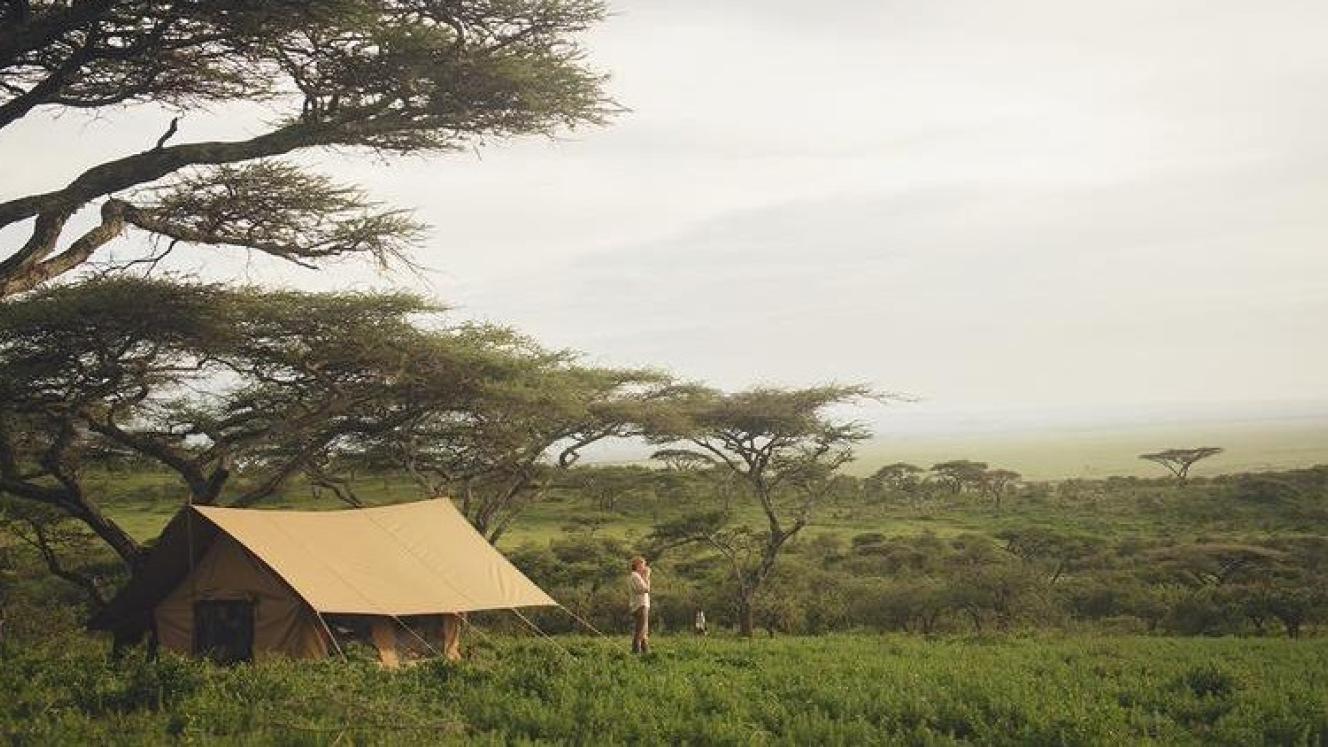
Nomad Tanzania has reimagined and renamed its Expeditionary Walking Camp as Charlie. It is a roving, ultra-light private camp designed to support walking safaris in remote parts of Tanzania.
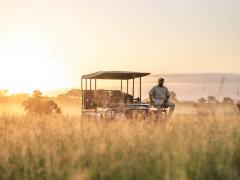
Charlie is named after one of Nomad’s earliest mobile expedition camps and reflects the company’s original approach to safari travel. Nomad said the camp remains focused on walking safaris in quiet, uncrowded areas but has been expanded to include game drives allowing guests to cover more ground.
Nomad said the change reflects increased demand for “stripped back, intelligent safari experiences” that prioritise wilderness and flexibility.
Charlie operates as a lightweight, exclusive-use camp with four walk-in tents for up to six guests, two shared bathrooms and removable flysheets for stargazing. A dedicated crew travels with the camp.
The camp moves seasonally between different locations based on weather, wildlife movements and environmental conditions.
From June, Charlie will operate as two simultaneous roaming camps in four locations:
- Charlie Ruaha (July 1 to October 31) Located along the Ruaha River as it emerges from the Usangu wetlands with baobabs, jackalberries, riverine woodland and floodplains
- Charlie Ugalla (July 15 to October 15) Based in the newly established Ugalla National Park comprising floodplains, palm forests, termite mounds and seasonal river channels
- Charlie Southwest Serengeti (November 1 to May 31) Offering open plains, acacia woodland, granite kopjes and Rift Valley views
- Charlie Sanjan (November 15 to May 15) A landscape of cliffs, riverine woodland, gorges and Rift Valley terrain with geological features and Maasai cultural presence
Kusini opens
Nomad Tanzania has also opened Kusini: a new small, permanent tented camp set among the granite kopjes of the remote southern Serengeti, west of the Ndutu plains.
The camp is positioned on the edges of the national park, away from busier circuits, in an area defined by granite kopjes rising from woodland. Nomad said the kopjes hold a concentration of insects, flowers, birds and mammals.
Kusini has six canvas tents – each set beneath trees with open verandas overlooking the surrounding woodland. The mess area is built onto the rocks and is used for dining, sundowners and stargazing.
The area supports year-round game viewing with movement across the plains during the green season and resident wildlife during drier periods. Guests can explore by vehicle and on foot.