A total of 4 000 entities are set to receive R50 000 (€2 418) each from the Department of Tourism’s Tourism Relief Fund (TRF) – a once-off capped grant assistance to small, micro, and medium-sized enterprises (SMMEs) in the tourism value chain to ensure their sustainability during and after the implementation of government measures to curb the spread of COVID-19.
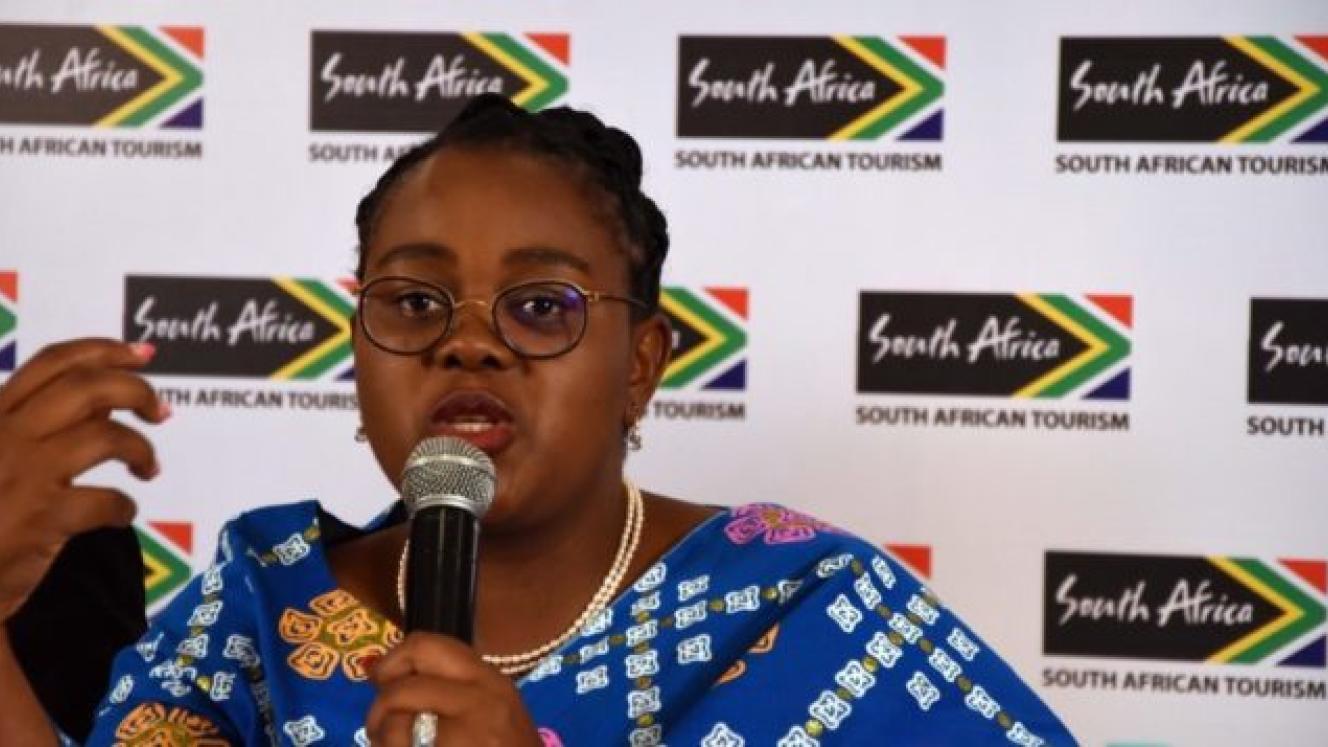
Minister of Tourism, Mmamoloko Kubayi-Ngubane, made the announcement in the National Assembly last night (May 4) while addressing the Portfolio Committee on Tourism and the Select Committee on Trade and Industry, Economic Development, Small Business Development, Tourism, Employment and Labour. She said her department had received in excess of 11 000 applications.
Both committees welcomed the TRF and welcomed Kubayi-Ngubane’s defence of the application of the Broad-Based Black Economic Empowerment Codes of Good Practices – which is in line with the B-BBEE Amendment Act.
Kubayi-Ngubane said the funds would be dispersed according to equitable spatial distribution among all nine provinces, and ensure that villages, townships and small ‘dorpies’ (towns) are not left with less than their equitable share.
Despite the Portfolio Committees backing the B-BBEE criteria, there has been widespread industry opposition to what many term race discrimination, with workers’ union, Solidarity, gearing up to take its case of alleged race discrimination against the Department of Tourism’s Tourism Relief Fund to the Constitutional Court, according to union CEO, Dr Dirk Hermann.
This comes after the Northern Gauteng High Court ruled last week that the Department of Tourism’s decision to use race as the criterion for granting relief from the Tourism Relief Fund was not unlawful.
The Institute of Race Relations, along with the Democratic Alliance, is also opposed to what it terms “race-based policies contained in the government’s criteria” for the various relief funds it announced to help small, medium and micro enterprises.