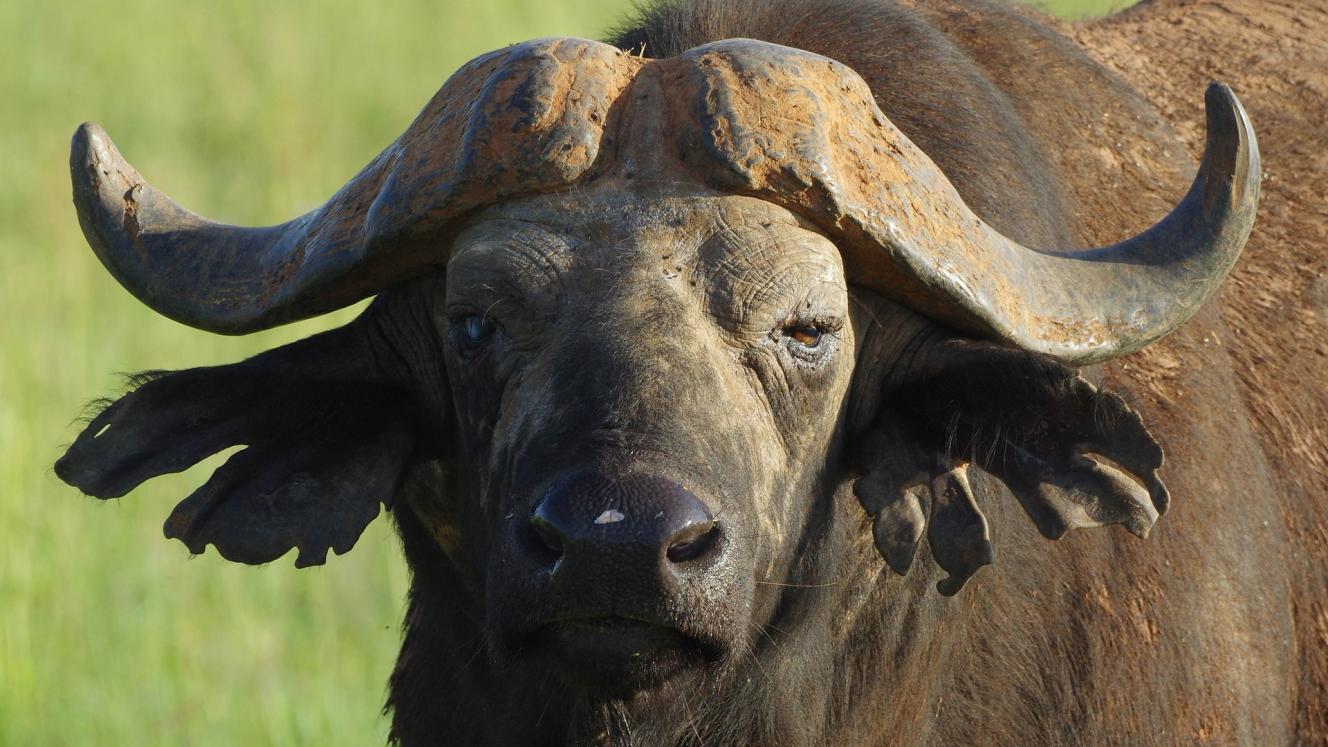
Mokala National Park (MNP), southwest of Kimberley in the Northern Cape, has lifted its veterinary quarantine.
MNP has been under quarantine for more than a year as a result of a buffalo bull testing positive for Mycobacterium bovis and Mycobacterium tuberculosis, the cause of animal and human tuberculosis respectively.
The bull in question tested positive for both bovine and human tuberculosis just over a year ago. The park and South African National Parks’ Kimberley holding facility were placed under quarantine following the finding until a tuberculosis-free state could be established. This included the standstill in movement of all susceptible species from Mokala.
According to SANParks Senior Veterinary Manager, David Zimmermann, three scenarios were initially put forward as to the source of infection:
- Exposure of the buffalo to bovine tuberculosis at MNP as a result of a break in biosecurity.
- Exposure to the disease while in the holding facilities at Kimberley.
- Potential contamination of the samples.
In collaboration with the State Veterinary Department, SANParks drew up an action plan to address the various scenarios and investigated the potential source of infection. This included the active surveillance of a significant sample size of buffalo originating from Mokala; the culling and meat inspection of excess game that was required to be taken from the park; surveillance of cattle farms surrounding the park; an employee wellness programme to verify possible tuberculosis infection in humans working at the boma and retesting of the initial samples that had been submitted.
“Mokala holds a significant population of disease-free buffalo (i.e. free from bovine tuberculosis, foot and mouth disease, brucellosis and corridor disease) that originated from Kruger National Park’s disease-free breeding project. This is a very valuable resource in terms of genetics and conservation value and therefore strict biosecurity is maintained,” states Zimmerman.
After an intensive investigation and no further confirmation of disease, it is suspected that the initial positive results may have been as a result of sample contamination or a cross-reaction with an unidentified, non-pathogenic mycobacterium.