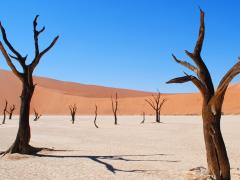
Torrential rains in the Cape over the past week have brought more relief to the drought-challenged region, seeing dam levels rise from 45% to 51.7% in just seven days.
The report by the Department of Water Affairs was further buoyed by a South African Weather Service prediction of more wet weather in the weeks ahead – raising hopes that the two-year-long drought in the Western Cape may finally come to an end.
Spokesperson at the Department of Water Affairs, Sputnik Ratau, said: “Levels at the Theewaterskloof Dam, which feeds Cape Town, have almost doubled to an astounding 38.5% compared to 18% a year ago. However, despite the good rains, the department will only review the current water restrictions when the dam levels have reached 85% capacity.”
The six dams that feed the Cape Town metro have increased from 48.3% to 53.0% capacity – up from a collective 24.7% at the same time last year. Clanwilliam Dam is up from 67.7% to 98.3%, a year-on-year increase from 20.6%; while Voelvlei Dam increased from 44.7% to 52.2%.
Ratau added: "The report paints a stable picture of average national dam levels as they were recorded at 79.3%, the same figure as last week. Comparatively, the average national picture suggests an improved water situation in the country compared to 70.5% in 2017. If every South African continues heeding the call to save water and use it sparingly, the situation holds a bright future for the country."
The Eastern Cape still shows the lowest dam levels in the country, with the Algoa Water Supply System – consisting of five dams that serve the Nelson Mandel Bay area – decreasing from 19.7% to 19.3%; with the worst hit being the Kouga Dam, which decreased from 7.8% to 7.4% this week.
Cape Town’s City Executive Deputy Mayor, Ian Neilson, says: “Every bit of water that we save now will become a buffer against the heat and wind of the summer months ahead. The less we use, the better chance our dams have of recovering from the severe drought. We believe that the main reason for the improved collective water usage figure is weather-related. Many people may have decided to delay doing their laundry and other water-intensive chores over the weekend because of the heavy rains. We are also in the middle of our winter, which traditionally is associated with the lowest usage. However, there are also many water users who continue to save water and to think about what they are doing with their drinking water.”
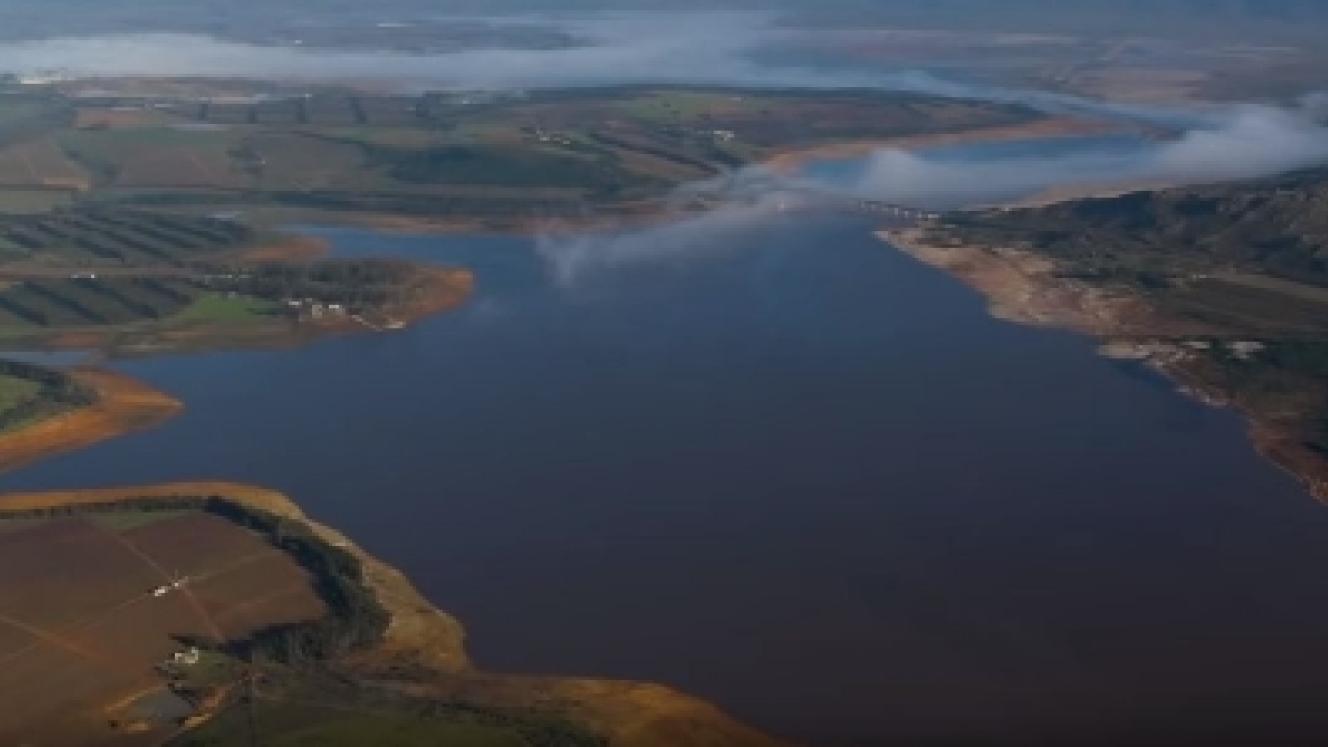
With the global negative publicity of the Cape’s water levels and the impact it has had on tourism, local publication, CapeTownMagazine.com, took a helicopter flight over the dams to view current levels and share with tourists, that South Africa’s matriarch region is once again hydrating, and ready as always to welcome visitors.