South Africa’s tourism transport sector has welcomed the government’s nearly R31 billion (US$1.8 billion) allocation to the South African National Roads Agency (SANRAL) but says the real test will be whether the funding translates into safer, more reliable access to tourism destinations across the country.
Transport Minister Barbara Creecy announced the allocation during the tabling of the Department of Transport’s R102 billion (US$6.1 billion) Budget Vote in Parliament last week.
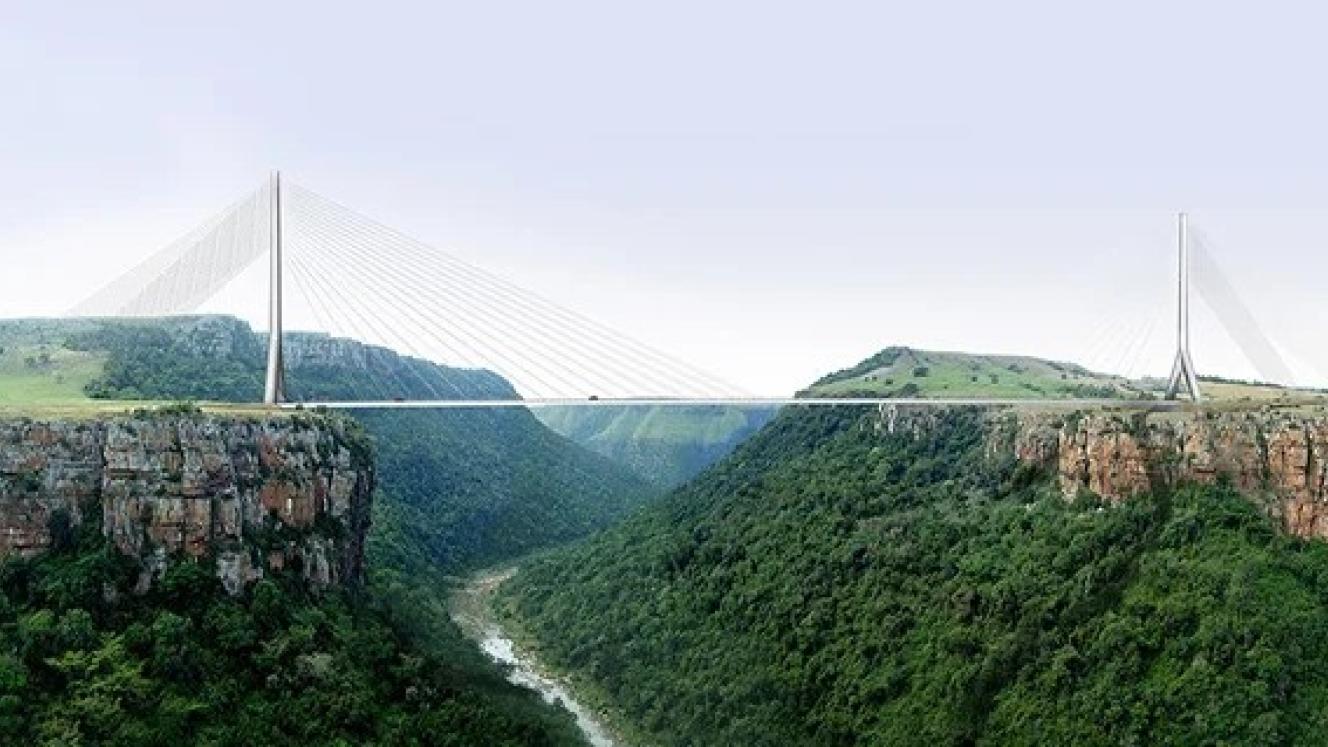
“These funds will be used for capital expenditure on the non-toll network, the Gauteng freeway improvement project operations, the N2 Wild Coast route for ongoing construction on major bridges and new road sections on our national highways as well as the development of the Moloto Road corridor,” Creecy said.
SATSA says the significance of the investment is in what it could mean for tourism access, regional dispersal and visitor confidence.
“Investment in South Africa’s road network is key, particularly where it supports the maintenance, rehabilitation and expansion of critical tourism and freight corridors. For tourism, this is not a peripheral issue. Road infrastructure directly affects access, safety, itinerary design, operating costs and visitor confidence,” Onne Vegter, Chair of SATSA’s Transport Committee, told Tourism Update.
“Tourism does not begin and end at the airport. For many visitors, especially those travelling through South Africa’s leisure and rural tourism corridors, roads are the connective tissue of the destination experience. South Africa attracts a diverse market mix, including independent and intrepid travellers who hire vehicles and move between regions.”
Critical to geographic spread
While South Africa has world-class tourism assets and several strong national routes, the visitor experience can become uneven once travellers move onto secondary, provincial or municipal roads, Vegter noted.
“This is where tourism operators often feel the impact most directly,” he said.
Vegter linked poor road infrastructure to South Africa’s broader geographic spread challenge.
“Cape Town and Kruger continue to perform strongly but other provinces have not seen the same pace of recovery and growth. If we are serious about influencing itinerary design and moving visitors into a wider range of destinations, road infrastructure has to support that ambition.”
He also warned that prolonged delays in repairing roads damaged by flooding and severe weather events is harming tourism economies in some regions.
“When provincial and municipal authorities do not prioritise timely repairs and key access routes remain in disrepair for months or even years, tourism suffers. In some regions, prolonged road access challenges have contributed to declining visitor numbers, job losses and business closures,” Vegter said.
For tourism transport operators, he explained that poor road conditions translate into higher maintenance costs, longer journey times, increased safety risk and a less predictable visitor experience.
“These are not abstract concerns. They influence how confidently operators can package, sell and deliver South Africa.”
Access key to rural development
He believes improved infrastructure along the N2 Wild Coast has potential to unlock meaningful tourism investment by improving access to one of South Africa’s most under-leveraged coastal regions.
“Better connectivity can support new product development, niche sectors such as youth and adventure tourism, community-based tourism, accommodation investment, guided experiences and stronger regional dispersal. Done well, it can also contribute directly to local economic activity, job creation and community upliftment.”
Creecy acknowledged ongoing concerns about road maintenance capacity at provincial and municipal levels, noting that more than 13 000km of provincial roads has already been transferred to SANRAL since 2013.
Vegter said stronger coordination between government and the organised tourism sector will be critical to ensuring investment priorities reflect operational realities on the ground.
“Tourism operators are often among the first to identify where road conditions are affecting access, safety and visitor confidence. Stronger feedback loops between government, SANRAL, provincial authorities, municipalities and the organised tourism sector would help ensure investment is informed by practical, on-the-ground realities.”
While welcoming the allocation, Vegter cautioned that the industry will ultimately judge the programme on implementation.
“The allocation is a constructive signal. The real measure of progress, however, will be visible delivery: safer roads, better maintenance cycles, improved access to tourism nodes and a more reliable transport network that supports South Africa’s broader tourism growth ambitions,” he said.