Accommodation along South Africa’s Wild Coast is recovering from several past crime incidents, predicting improved tourism numbers over the festive season, while the opening of new flagship lodges is raising awareness of the region among international travellers.
Tourism to the rugged, 250km stretch of coastline – running from East London in the south to the border with KwaZulu-Natal in the north – was affected by a spate of violent crime, including robberies and kidnappings, in 2024.
“Last year we had a lot of negative press but we have seen an upturn in positivity for the end of the year. I do feel things are a lot better now that the crime syndicates involved in some of these incidents have been dealt with,” said Richard Warren-Smith, Owner-Manager of the Morgan Bay Hotel situated 80km north of East London.
“We have been very fortunate that we have managed to secure close to 3 500 bed nights with our Dutch and German market this year, rating Morgan Bay as their top destination on their 21-day tour,” Warren-Smith said.
Natural Selection property builds awareness
The opening of Natural Selection’s GweGwe Beach Lodge has stimulated more international interest in the region’s tourism potential.
Located in the Mkhambati Nature Reserve in the far northern section of the Wild Coast, GweGwe has started to gain traction among major international operators.
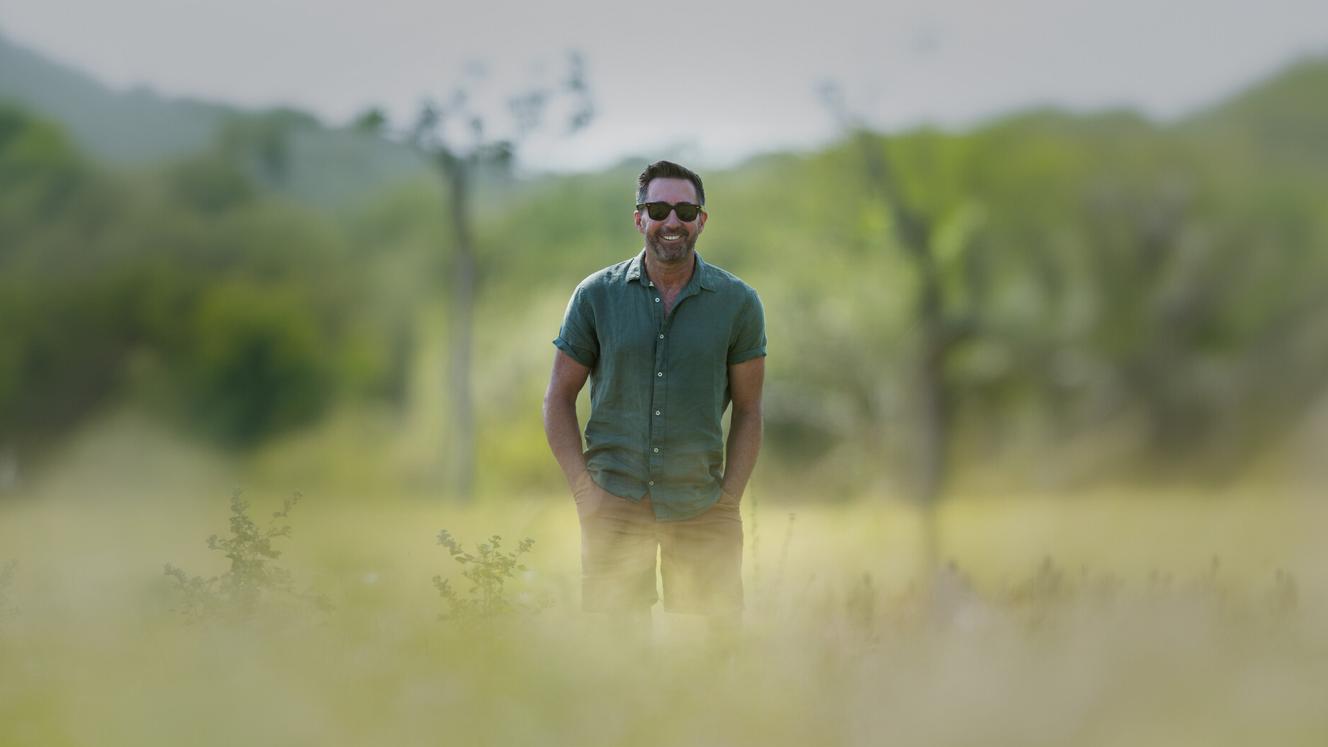
“The Wild Coast has been completely off the radar for internationals. But we’ve seen over the years that bringing a profile property to the region can create awareness and stimulate more interest, unlocking more tourism opportunities,” said Natural Selection Co-Founder Colin Bell.
Highway upgrades to boost tourism
The N2 Wild Coast Toll Highway project – which includes road sections linking the towns of Port St Johns and Lingeni and the construction of two mega-bridges – has been broadly welcomed as a move that will boost tourism.
Upgrades are also being undertaken on several parts of the highway that have experienced safety issues.
“Some people aren’t prepared to travel some portions of the N2 currently and avoid towns such as Mthatha due to lack of policing. This has played havoc on coastal hotels because many of them can only be reached by going through these towns,” said Warren-Smith.
“Once the road is open, the upgraded N2 will make for a far safer travelling environment, which in turn should boost tourism.”
Bell said, while the majority of international visitors to GweGwe are fly-in travellers, the upgraded N2 project will drastically reduce self-drive travelling times and make this option more attractive.
However, the project has faced community opposition through the Amadiba Crisis Committee who contend that the planned coastal alignment threatens community land. The committee has petitioned Parliament to consider an alternative inland route.
Community engagement crucial
Warren-Smith highlighted community engagement as a critical element in ensuring buy-in for tourism development.
“All the hotels in our area are involved in some form of community upliftment, which plays a crucial role in the success of towns and reducing crime,” said Warren-Smith.
Mike Brown, Marketing Manager for the Wild Coast Holiday Association, advised visitors to hire a local guide.
“When you walk with a local guide, you are seen as part of the community rather than just arriving as an outsider. They know the routes, the dynamics and the areas to avoid, and that alone significantly reduces the risk of opportunistic crime or misunderstandings.”
The long and complicated history of the Wild Coast includes a degree of resentment in some areas about how visitors treated local people in the past, Brown added.
“Choosing to work with a local guide is a very tangible way of showing respect, contributing directly to the local economy and building trust on the ground.”
Brown recommended Wild Coast Homestay Huts, which offers slackpacking between community homestays and hotels along the stretch of coastline between Rhole and Cutwini, as an authentic and community-centric experience.
“All you really need is a daypack and a change of clothes. Accommodation and home-cooked meals are provided at the homestays, offering an authentic, hosted experience within the local community.”