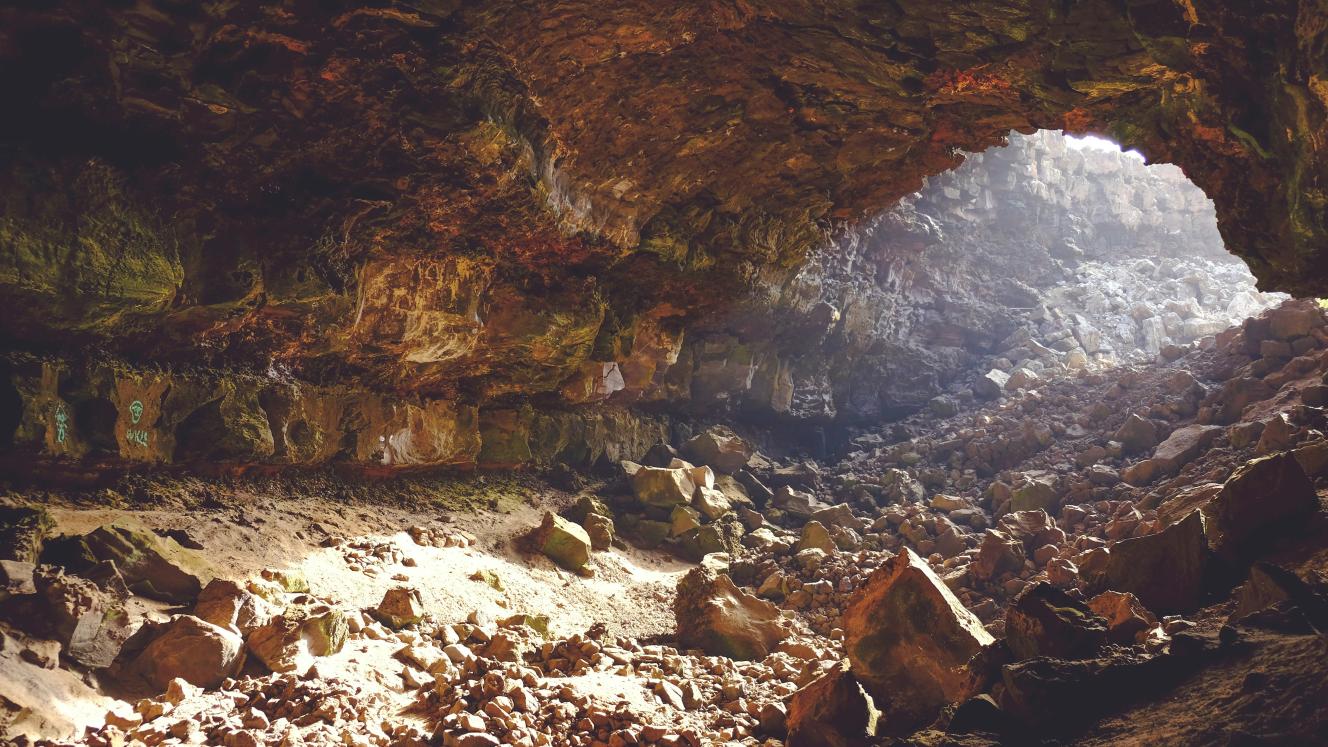
A new cave tourism project focused on conservation, sustainability and community benefit is taking shape in Zanzibar.
Adventure Consult, a division of TribalTourist, is working with the Zanzibar government on the Kiwengwa Caves Tourism Project, which is aimed at developing conservation-led tourism within the Kiwengwa-Pongwe forest area.
The project, expected to open in August, focuses on creating a sustainable cave tourism model that balances environmental protection, community participation and controlled tourism development.
According to TribalTourist Founder Matthew Kearns, the initiative was driven by increasing development pressure on the forest area and the need to create economic value from the land without damaging the ecosystem.
The forest area covers about 3 300 hectares and includes cave systems, wildlife habitats and water catchment zones that feed Zanzibar’s water table.
“It’s an important biosphere and a critical element to the well-being of the island and the people,” Kearns said.
The project includes plans for guided cave tourism, conservation management, community involvement and a future eco-lodge development.
Kearns said the caves present a tourism opportunity but required strict environmental controls.
“You can’t just suddenly put lights in the cave and do cave tours,” he said.
He explained that inappropriate lighting could damage cave formations by creating algae growth on stalagmites and stalactites.
Adventure Consult is consulting cave specialists in Germany and the US on suitable lighting systems and conservation measures.
The caves are also home to bat populations, which Kearns said required additional health and environmental protocols.
“We’re creating a cleaning station. When you enter and exit the caves, you undergo caving decontamination,” he said.
Visitors will also be required to wear masks in certain cave areas.
Tourism volume and diversification
Kearns said the project will avoid mass tourism and instead focus on controlled visitor numbers and higher-value experiences.
“From day one, we’ve said to the Ministry of Forestry that this is definitely not about mass tourism,” he said, forecasting about 150 people undergoing cave tours per day.
He said the project aimed to diversify Zanzibar’s tourism offering beyond beach tourism by introducing nature-based and educational experiences.
“This gives people an opportunity to experience nature that they would never get to,” said Kearns.
Plans for the broader tourism offering include hiking trails, medicinal plant education and conservation-focused activities linked to the forest ecosystem.
The forest contains more than 150 identified medicinal plant species.
“There’s a medicinal pharmacy in the forest,” Kearns said.
Community and conservation
Kearns said local communities surrounding the forest are already involved in anti-poaching activities, conservation education and future tourism employment plans.
“There are 11 communities of people around the forest or villages and they’ve all got jobs educating the villages within their communities about the forest,” he said.
The project also plans to introduce beekeeping initiatives linked to conservation efforts alongside an eco-lodge concept forms part of the long-term development plan and is expected to follow international sustainability guidelines.