Wilderness Safaris’ Little Makalolo Camp, situated in a private concession in Zimbabwe’s Hwange National Park, has closed for an extensive rebuild, with a new camp set to reopen in early June.
“Our decision to rebuild Little Makalolo showcases our continued commitment to investing in Hwange and our tremendous belief in Zimbabwe as a major player in Africa’s tourism industry,” said Dean Morton, Wilderness Safaris Zambezi Operations Manager.
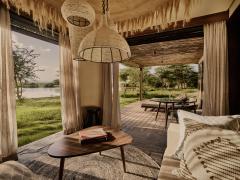
The rebuild will include a new main area, deck, bar and circular infinity pool overlooking a waterhole. The six traditional-style safari tents will receive an extensive upgrade with new floors, roofs and completely new interior.
The redesign will be managed by lead interior designer, Caline Williams-Wynn from Artichoke.
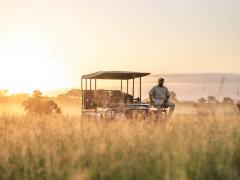
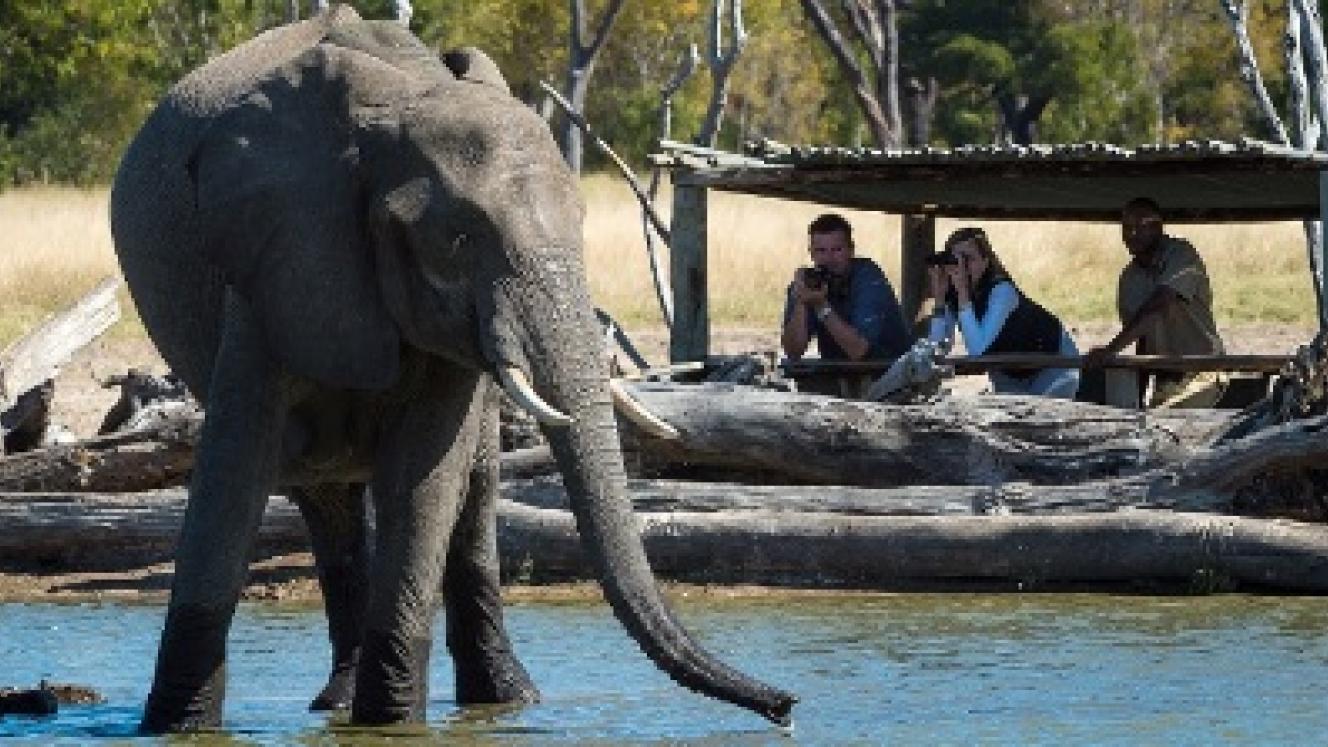
Retaining its intimate bush feel, the total rebuild of the main area and new décor throughout will enhance the camp's wildlife experience, which will always be the focus of Little Makalolo. Guests will be able to experience a range of incredible wildlife encounters on a variety of activities – from the log-pile hide to twice-daily game-drives, bush walks and the option to sleep out in the bush on a Star Bed.
“We will also ensure that the new camp remains committed to our 4Cs sustainability ethos of Commerce, Community, Culture and Conservation, operating with as light an eco-footprint as possible,” says Morton. “Our life-changing journeys offer our guests the opportunity to travel with purpose, not only making a difference to the ongoing biodiversity of the park but contributing to the empowerment of local people at the same time.”
Since February 2002, Wilderness Safaris has supplied engines that pump around 15 boreholes in Hwange to ensure that the movement of wildlife in the park is not restricted, as would be the case if their water supply dried up.
As the concessionaire of the private Linkwasha and Makalolo areas in south-eastern Hwange, Wilderness Safaris has taken responsibility for many aspects of the conservation of this magnificent wild location, including supporting water supply, the Scorpions Anti-Poaching Unit, and an elephant movement study, as well as supporting ongoing community empowerment projects at the villages on the periphery of the park in partnership with Children in the Wilderness (CITW).