Recent announcements of new luxury tourism developments in the Addo region could strengthen Gqeberha and the broader Eastern Cape’s positioning as a gateway to high-end safari tourism, according to industry stakeholders.
Mantis Collection CEO Craig Erasmus referred to the growth of ultra-luxury developments in Addo as a very positive signal for the Eastern Cape.
“For a long time, the province has offered exceptional natural assets but has been underrepresented in the premium safari space compared to regions like the Kruger National Park,” said Erasmus.
The Eastern Cape’s relatively underdeveloped tourism landscape is an advantage, offering less visual crowding, lower competitive density and an opportunity for true exclusivity, he added.
Safari expansion
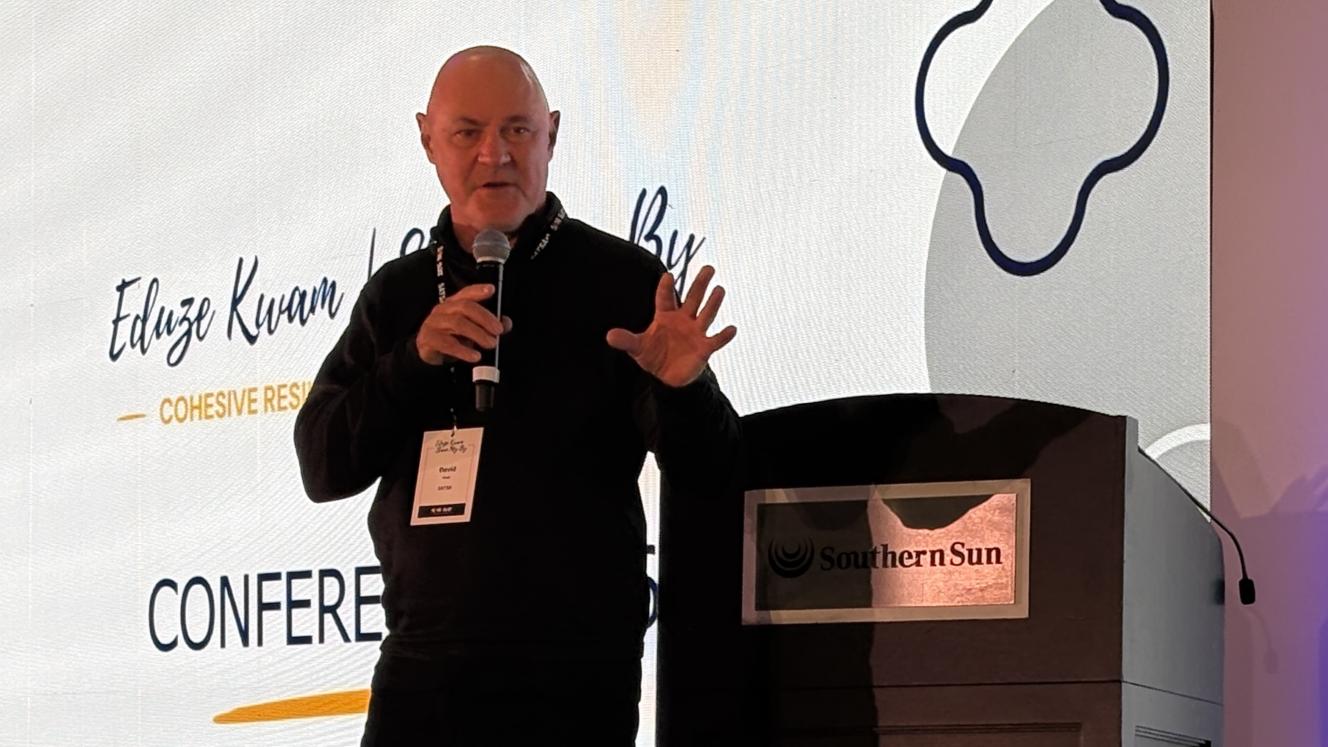
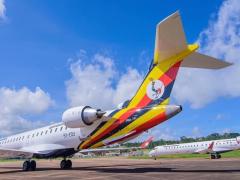
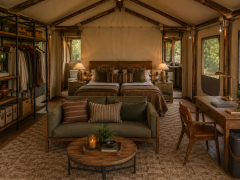
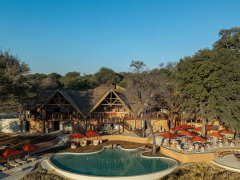
Mantis recently launched Mantis Hiddn in Addo, a fully off-grid, eco-luxury retreat positioned around environmentally responsible travel experiences and nature-led and wellness-focused travel.
According to Erasmus, an increase in luxury tourism development would help elevate the destination’s global profile and attract higher-yield travellers while supporting local economies, jobs and infrastructure investment.
However, he noted, the benefits for Gqeberha remain uncertain as many luxury lodges offer private charter and helicopter transfers, which may affect the city’s ability to become a gateway destination.
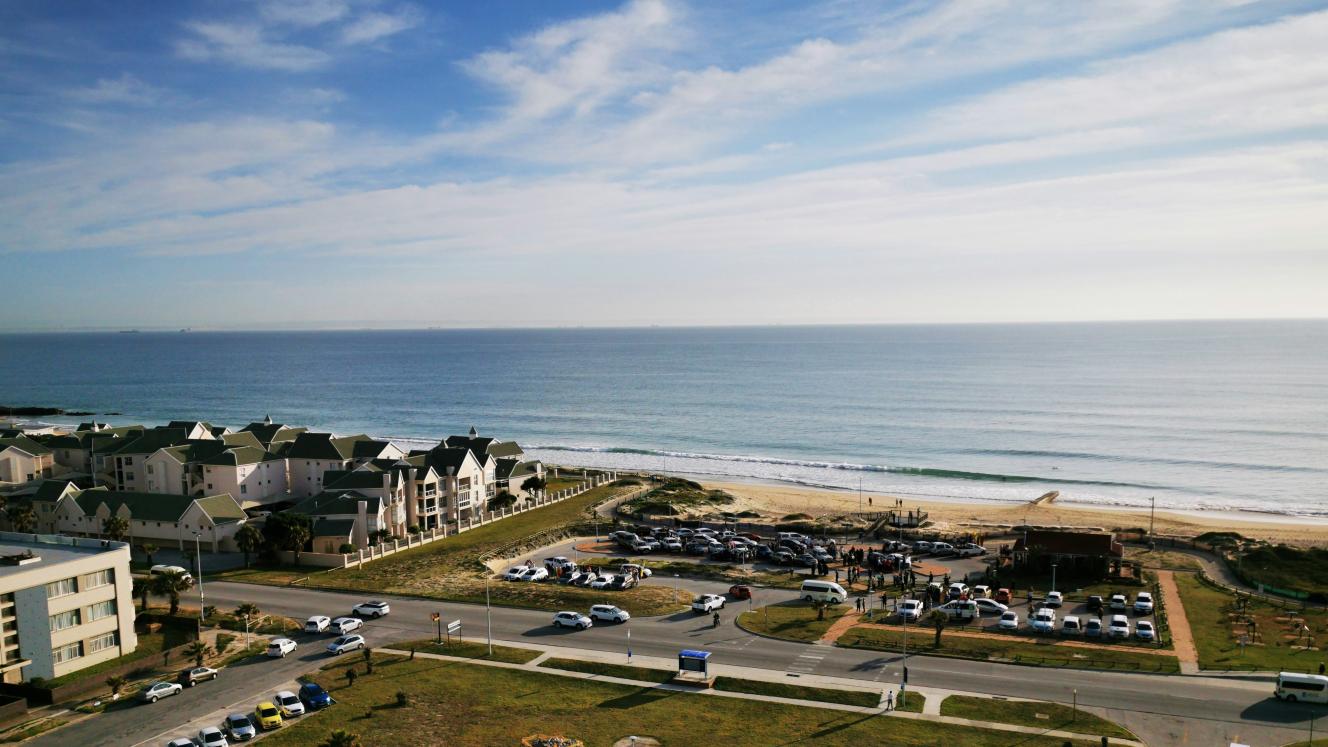
“However, unlike other remote safari regions, Addo benefits from its proximity to a well-connected coastal city that offers an international airport,” Erasmus added.
He also noted growing demand for itineraries combining safari, coastal and urban experiences.
“There’s a clear shift towards travellers wanting more diverse, layered experiences. The Eastern Cape delivers that: you can combine safari, coast and culture in one trip without complex logistics.”
Regional infrastructure
Speaking about Gqeberha’s hospitality sector, Erasmus said the city needs to collaborate closely with safari and tour operators and destination marketers “to shift perceptions and overcome the current challenges” to be more than a transit point.
Continued investment in infrastructure, service standards and skills development across the Eastern Cape remains necessary to meet luxury market expectations, he added.
Professor Emeritus at the University of Pretoria and Tourism Consultant Ernest Heath said the new developments in Addo could add considerable value to the positioning and branding of Nelson Mandela Bay and the Eastern Cape.
“Not only can these developments attract new lucrative market segments to the destination, they can also broaden the tourism offerings and experiences available to the current market segments targeted by Nelson Mandela Bay and environs destination marketers,” said Heath.
He highlighted the region’s cultural diversity, shaped by Xhosa, British and Afrikaner influences, as a potential differentiator that could create opportunities for local communities and entrepreneurs through food, music, storytelling and cultural experiences.
Heath also pointed to the proximity between Addo’s safari offerings and Nelson Mandela Bay as a key competitive advantage.
“Not many coastal urban gateway destinations can compare to Nelson Mandela Bay when it comes to proximity to a spectrum of nature and wildlife experiences,” he said. “The broader Addo area boasts a wide spectrum of globally recognised safari destinations that are very close to the N2 highway and 45-90 minutes away from the international airport and cruise ship terminal in Nelson Mandela Bay.”