South Africa’s hospitality sector will struggle to meet its long-term tourism growth ambitions without urgent improvements to infrastructure, municipal services and the operating environment for small businesses, according to FEDHASA East Coast Board Member Brett Tungay.
Speaking to Tourism Update, Tungay said policy reform is important but infrastructure failures remain the sector’s biggest obstacle.
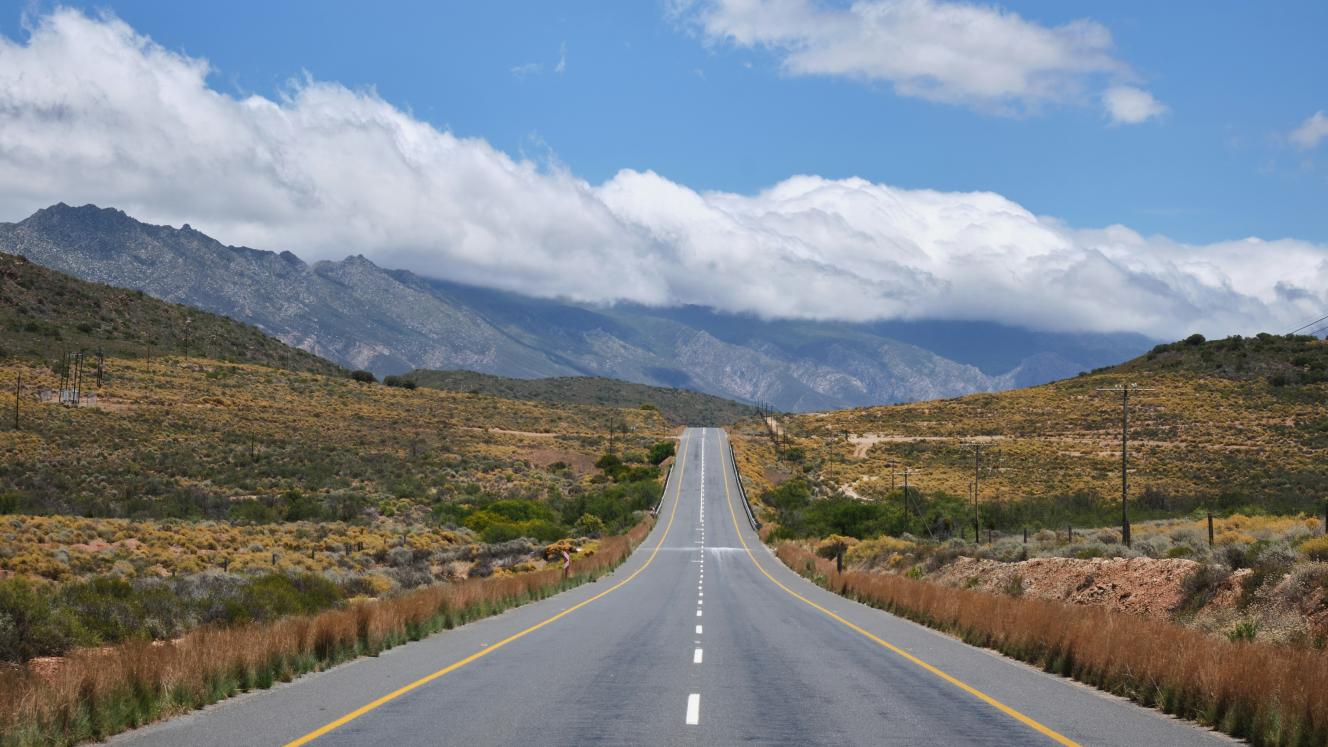
He said road infrastructure is the primary challenge. “It’s a huge deterrence for travellers moving around the country.” Tungay identified water provision and safety and security as additional critical challenges affecting tourism operations and investment confidence.
He pointed to Durban as an example of the positive impact of improved safety measures on tourism performance, noting that the city has recorded four tourism-related crimes since December 2024. In contrast, he said areas such as Gqeberha continue to struggle due to municipal and infrastructure failures.
“We’ve definitely seen how that’s pulling down tourism,” Tungay said.
The self-drive and camper home/4x4 markets were important sectors pre-COVID, he pointed out. While the segment has recovered strongly in the Western Cape, Tungay said international tour operators remain reluctant to include itineraries north of the province due to infrastructure and safety concerns.
“We’re probably still only at around about 25% of our previous pre-COVID foreign numbers,” he said of regions such as KwaZulu-Natal, the Free State and North West.
Tourism’s economic role and compliance
Tungay argued that government needs to improve recognition of tourism’s economic role and its low barriers to entry.
“Tourism probably offers the best route for getting rid of unemployment in South Africa,” he said, noting that many tourism businesses are small and medium enterprises requiring relatively limited capital and skills to enter the market.
Municipalities need to prioritise tourism-supporting infrastructure including roads, water systems, waste treatment and crime prevention, Tungay said.
“If we can fix the infrastructure around tourism products, we can get the water flowing, we can get the roads working and get the sewage off the streets.”
Tungay warned that increasing legislative and compliance burdens are placing growing pressure on smaller tourism operators.
“The administrative burden on most small companies is starting to go beyond their capacity,” he said.
Tungay criticised the “one-size-fits-all approach” to legislation, arguing that compliance requirements for small operators are often disproportionate.
“A 10-room guesthouse faces compliance requirements that bear no rational relationship to its scale or risk profile.”
Tungay called for a more flexible regulatory approach based on company size alongside stronger political commitment to infrastructure maintenance and tourism growth.