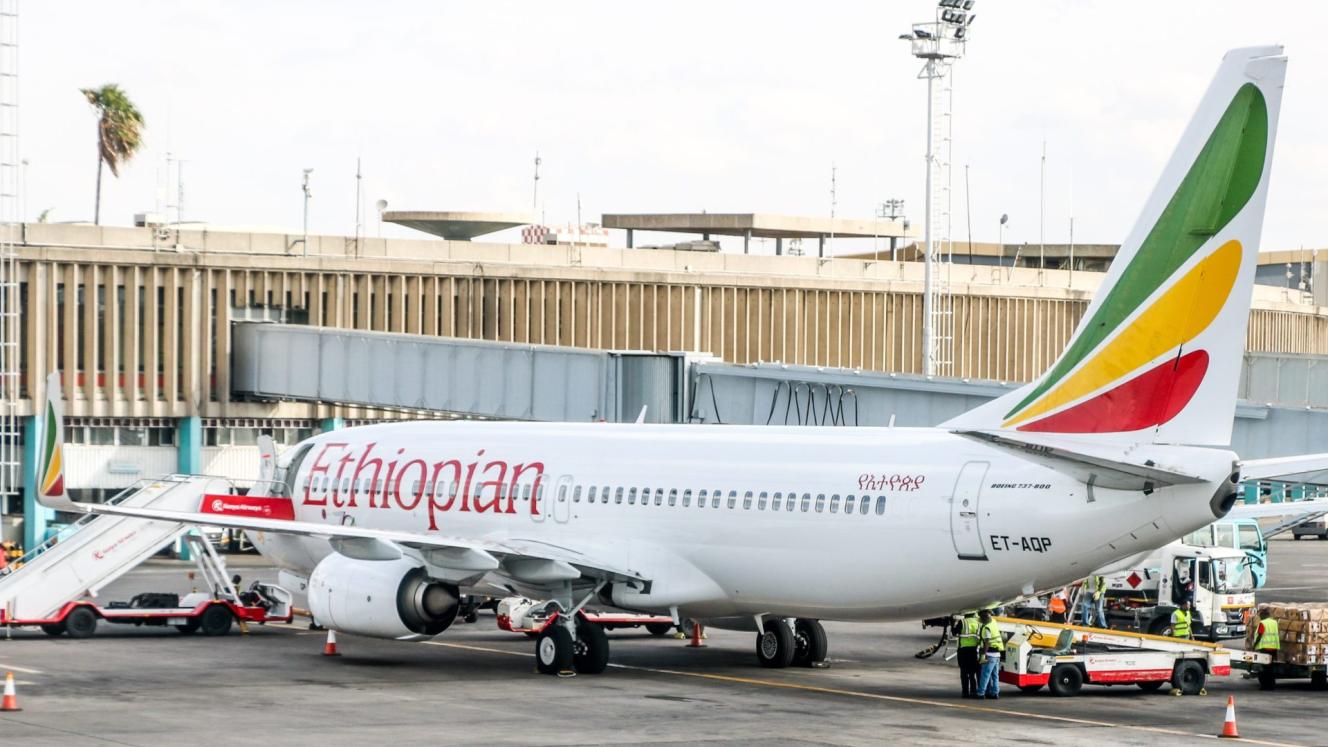
East African airlines are emerging as beneficiaries of a shifting global aviation landscape, stepping in to fill a growing gap as geopolitical tensions disrupt traditional flight routes.
At the centre of this shift are Kenya Airways and Ethiopian Airlines, which are both reporting a surge in demand as travellers seek new ways to connect between Africa, Europe, Asia and beyond.
For Kenya Airways, the impact has been immediate and significant. The airline reported a 30% surge in bookings as of March 2026 with load factors nearing full capacity across much of its network.
Kenya Airways Acting Chief Executive George Kamal said: “We are seeing strong demand across key routes linking Africa to Europe, Asia and North America.” This surge is being driven largely by transit passengers – travellers who would traditionally connect through hubs such as Dubai and Doha but are now rerouting through Nairobi.
Meanwhile, Ethiopian Airlines is consolidating its position as Africa’s largest and most connected airline.
Industry analysts note that the Africa-Asia corridor is quickly becoming one of the fastest-growing aviation routes globally.
Smaller airlines such as RwandAir and Air Tanzania are also adjusting schedules and expanding capacity where possible, helping to absorb some of the increased passenger flow.
Short-term gains
Despite the optimism, industry experts caution that the current surge may be short-lived. While East African airlines have gained in the short term, the long-term outlook remains uncertain, according to aviation analyst Sean Mendis.
“There are no real winners in the long, short or medium term,” he said. “But a handful of African airlines like Ethiopian Airlines, Kenya Airways and Uganda Airlines have seen an increase in transit passengers between India, Southeast Asia, Europe and North America.”
However, he warned that Gulf carriers are likely to rebound quickly. “They are not going to sit back. They have the capital, resilience and capacity to return – either to the status quo or with a new business model,” Mendis said. “The gains African airlines are seeing now are likely temporary.”
Even as demand rises, a more pressing challenge is emerging: fuel supply.
Africa’s aviation sector remains heavily dependent on imported jet fuel, much passing through the Strait of Hormuz, which is now affected by the same geopolitical tensions disrupting flights.
“There are no major jet fuel refineries in Africa and limited pipeline infrastructure,” Mendis added. “Fuel has to be shipped, offloaded at ports and transported inland – a process that can take up to two weeks. You can make planes fly at any price but you cannot make them fly if there is no fuel.”
Some airports are already responding. Addis Ababa, for instance, has introduced fuel rationing, forcing certain long-haul flights to make technical stops in cities such as Muscat, Entebbe and Rome to refuel.
Kenya Airways, for its part, says it has secured fuel supplies for several weeks but is exploring alternative sourcing options, including imports from India, to maintain stability.
While the current demand surge offers a boost, it does little to resolve the deeper structural issues facing African airlines.
High operating costs, including fuel and airport taxes, continue to weigh heavily on profitability. For Kenya Airways, analysts note that its financial challenges are long-standing and unlikely to be resolved by short-term demand spikes.
“The airline is benefiting from rerouted traffic but its underlying challenges remain structural,” an analyst said.