‘Experience’ is becoming the epicentre of a tourist’s expectation of travel, and one of the major drivers of a tourist’s desire to return to a country or destination. But to enable a memorable tourist experience, a destination or attraction has to have a number of elements in place: relevant marketing that creates the correct expectation of a destination by the tourist; well-maintained facilities; informed gatekeepers of the destination or attraction; and good infrastructure and access.
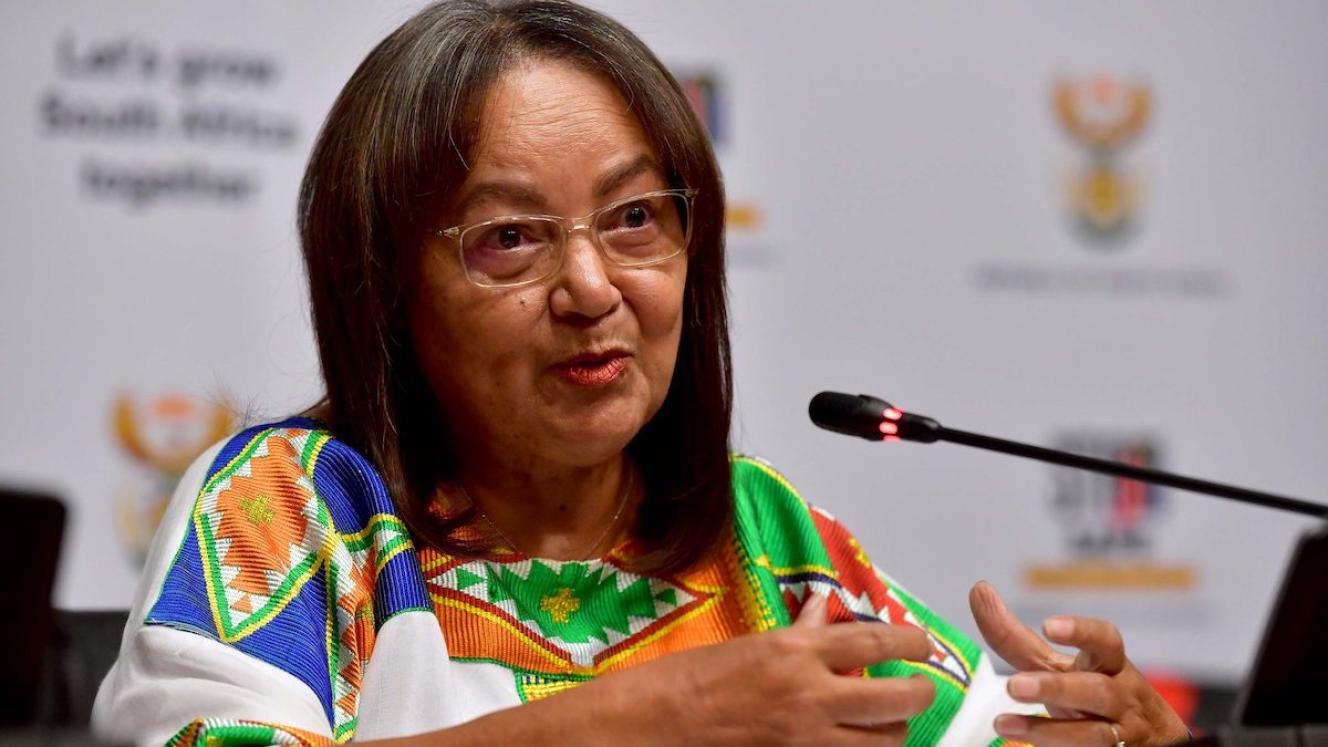
A panel of tourism experts convened at the 2018 Satsa Conference on Tuesday July 24, to discuss infrastructure and product development. Moderated by Dawn Robertson, CEO of Constitution Hill, the panel comprised Darryl Erasmus from the Tourism Grading Council of South Africa (TGCSA); Gillian Saunders, Special Adviser to the Minister of Tourism; Nomasonto Ndlovu, CEO of the Limpopo Tourism Agency; Shamilla Chettiar, DDG of Destination Management, National Department of Tourism; and Fundisile Mketeni, CEO of SANParks.
As a start, said Saunders, we need to understand why tourists are coming to South Africa. Generally, first visits will include Cape Town and safaris, with return visits opening the door to other destinations and attractions. While the kickstart destinations and experiences are well established, with good infrastructure in place, thanks to solid investment in these products, the other tourism products – that hold immense potential as tourist drawcards – are in need of better support.
The dichotomy is that investment is largely tied to return on investment (ROI), and with these often lesser-known products not receiving as great a tourist footprint as the better developed products, due to lack of funding for marketing, access, and making a destination or attraction tourist-ready, it is challenging – and risky – for investors to inject money into a site or experience.
“We are challenged to find money from government for infrastructure,” says Saunders. “It’s not just big hotels and attractions that should be invested in – we have other things like museums, for example. The difficulty is that they don’t bring ROI through, so finding investors is difficult.”
Public-private-partnerships (PPPs) play an important role here – “get a bunch of private and public sector people together to see what we can add to uplift the area/experience just a little. This is catalytic in changing the profile and perception of the area. We need to inject that passion into an actionable drive,” says Saunders.
The Limpopo Tourism Agency has taken this to heart, and Ndlovu says it is executing drives to “unearth the potential in the region”. “The Limpopo province is in the process of repositioning itself – understanding what the destination is about and what tourists want from the destination. It’s about the experience you can give the person visiting. With the province being largely rural, co-operatives are managing the region. So we are looking at expanding/upgrading some of the areas and camps. Not only does this help to uplift tourism in the province, but it creates jobs, upskills service providers in how to provide that experience that tourists are seeking – and it feeds into the transformation agenda.”
SANParks is applying this thinking too, and Mketeni says that the group is entering a new era of concessions. At the Tourism Investment Summit in March last year, 54 investment opportunities in the national parks emerged. “While investors flock to the main national park, there are other parks that have great opportunities,” says Mketeni. “But lack of infrastructure and tourist volumes become a disincentive for investment. Our aim is to partner with new role players, and ring-fence some of the small investments like small camps and bush braais. Through partnerships, we can see the big and small businesses playing together for the greater good of tourism.”
Anchor attractions like the Kruger National Park are excellent initial drawcards for tourists. Then creating packages that include other attractions expand tourists’ awareness of the other offerings that an area has. Awareness can turn into demand, with demand being an incentive for investment, and investment an enabler of infrastructure and further product development.
The Limpopo region packaged an Africa Ivory route, which incorporates not only some of the better known attractions, but other tourism elements such as camps, lodges, an art route, animals, birds and cities. “But we have to do more,” said Ndlovu, “so we’ve looked at other things like creating events – which is a quick way to bring tourists in.” And exploring a region’s culture and heritage is a great place to start.
A Satsa member from the Stellenbosch region, agreed, saying: “We looked at our region and what potential there was, and developed a strawberry festival, which has been growing in popularity.” The area also created a Bronze Art Foundry, which draws expertise from the community, and is now a unique attraction to the area.
Erasmus says product development is not only about building something new, but also looking at an existing product and wrapping it in the support it needs in order to maximise its potential. This includes taking tourism products to the international market with the intention of showing off more of South Africa and its diverse offerings.
Social media is an excellent way to spread the message of South Africa’s tourism offerings and packages, especially for attractions in smaller towns and villages. This is particularly effective when creating packages for millennials, an upcoming market that Erasmus says is very important due to the current market ‘ageing’.
Another way to market tourism products is through roadshows, which reap many rewards in connecting service providers with their potential markets.
The government’s Incentives Department has a number of incentives in place to aid tourism players, says Chettiar, including the Tourism Transformation Fund, Green Tourism Fund, and a range of incentives offered by the Department of Trade and Industry, and is working with both the public and private sectors to help package products.