Two recent incidents in and around the Kruger National Park have renewed focus on guide safety, training and risk management within the safari sector.
The discussion follows a fatal shooting incident involving a Canadian tourist at a concession-operated bush braai site near Phabeni Gate on June 17 as well as a widely shared video showing tourists in an open safari vehicle during a close encounter with elephants.
According to SANParks, a 69-year-old Canadian guest was fatally wounded when a private guide allegedly accidentally discharged a firearm at a concession-operated picnic site.
The Kruger Lowveld Chamber of Business and Tourism (KLCBT) has expressed condolences to the family and friends of the deceased and activated its Victim Support Programme to assist those affected.
“While the incident occurred at a privately operated tourism facility, KLCBT is closely monitoring developments and remains in communication with relevant stakeholders, including authorities, as investigations continue.”
The KLCBT said it will avoid speculation while investigations continue.
“The safety and well-being of visitors remain a priority for the tourism sector in the Kruger Lowveld region. Incidents of this nature are extremely rare. The tourism industry remains committed to maintaining the highest standards of safety, professionalism and responsible tourism practices.”
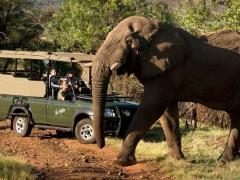
The fatal shooting comes after a video circulated on social media showing an elephant reaching into an open safari vehicle while distressed passengers looked on. A second elephant was visible approaching the vehicle from behind. Reports indicated that the vehicle experienced mechanical difficulties during the encounter.
While the circumstances surrounding the two incidents differ significantly, both have highlighted the importance of guide training, decision-making and safety protocols in wildlife environments.
In a separate statement issued this week, the Field Guides Association of Southern Africa (FGASA) reiterated the importance of safety, professionalism and ongoing training within the guiding profession.
“Safety is at the heart of everything a professional guide does. It influences decision-making, situational awareness, risk assessment, communication and the overall guest experience. The best guides are constantly observing, evaluating and adapting to changing conditions in the environment around them,” said FGASA MD Michelle du Plessis.
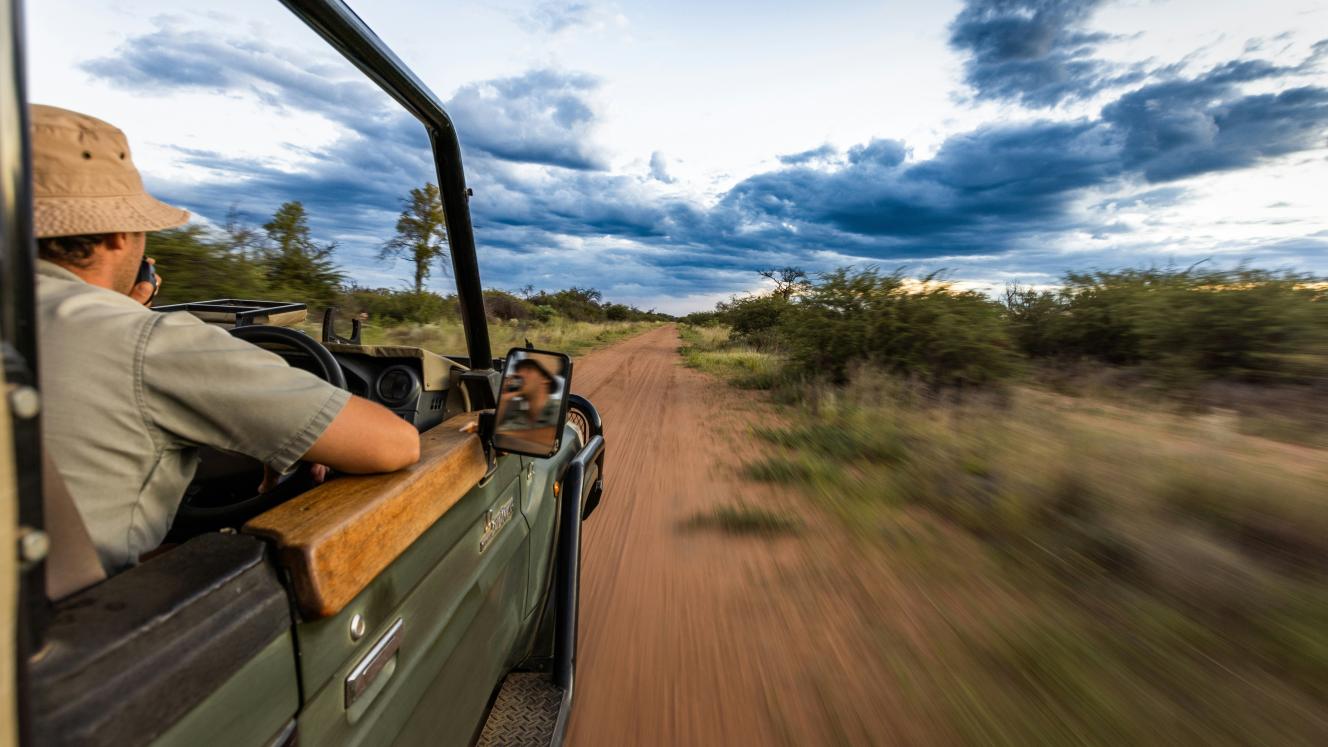
FGASA said professional field guiding requires competencies that extend beyond wildlife knowledge, including environmental interpretation, animal behaviour, guest management, navigation, emergency preparedness, risk assessment and ethical guiding practices.
“These competencies are developed through formal training, practical experience, mentorship and ongoing professional development.”
Du Plessis said continuous learning is essential.
“Nature is dynamic and constantly changing. Professional guides must remain committed to lifelong learning whether that involves expanding their ecological knowledge, refining safety protocols, strengthening leadership skills or staying abreast of industry best practice.”
FGASA also encourages travellers to seek out qualified and experienced guides when planning safari and wilderness experiences.
“Professional guides do far more than point out wildlife,” FGASA stated. “They create safe, meaningful and educational experiences while acting as ambassadors for conservation and responsible tourism.”