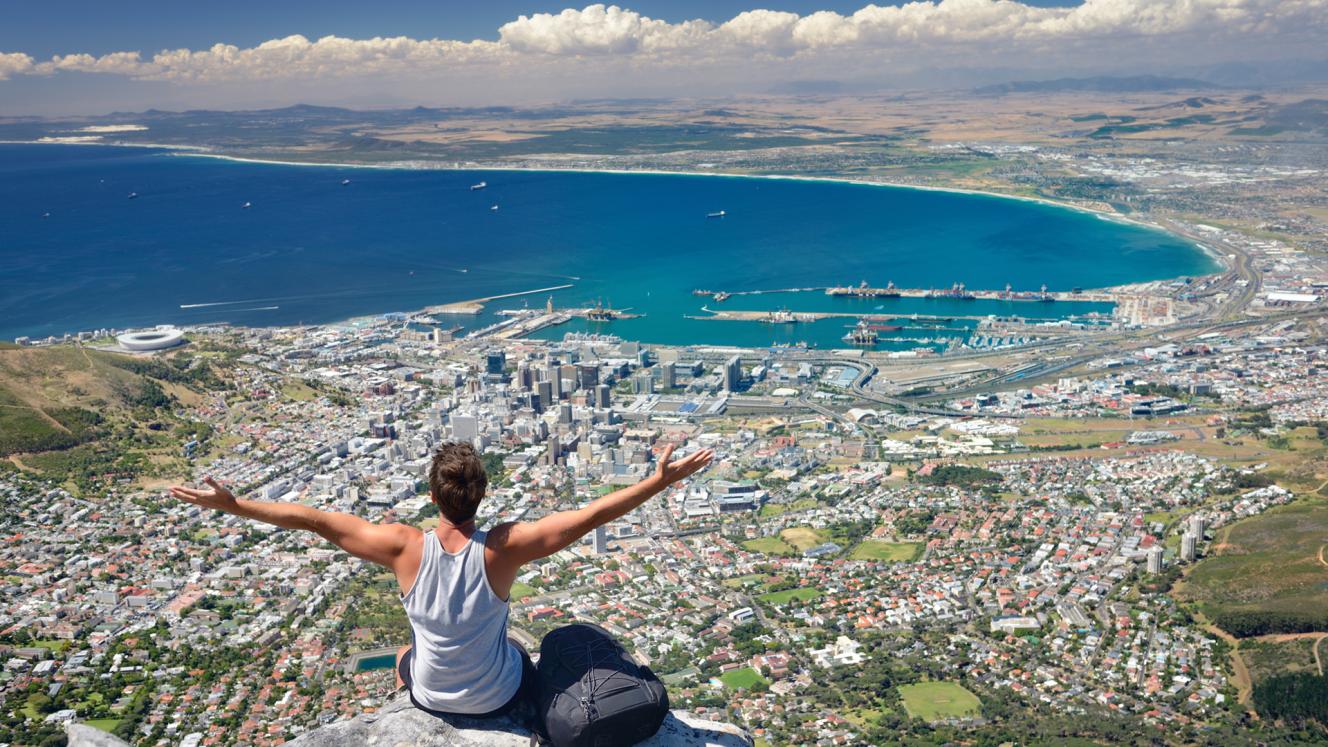
GM of the Thebe Tourism Group, Brett Hendricks, provides insights regarding the current Cape water shortage, whilst offering key pointers for lessons to be learned.
“Our tourism assets bring visitors, who in turn, create jobs. We must therefore protect and grow this value chain,” says Hendricks.
Communication
For the tourism industry, it’s about communicating to visitors that Cape Town remains open for business. Tourists are hearing the correct messaging around water from the moment they arrive to the time they leave, ensuring their impact remains low, however they should know this before they arrive,” he says.
SA’s tourism sector accounts for over 9% of the country’s GDP, with a large portion of this coming from tourism generated in Cape Town, therefore the drought will affect the economy. SA cannot afford the potential loss of income and jobs as a result.
A proactive stance in communication is required, with the elimination of language that creates panic (Day Zero). As long as visitors understand what is required of them, they will comply and, in turn, support efforts to preserve water.
Planning and Recycling
“We need to address this at a national level,” adds Hendricks, who says planning is key. If SA had focused more on water five years ago, the country would not be in this situation.
Hendricks says: “We need to protect and preserve our country’s water resources for the long-term.”
Recycling, conservation and environmental initiatives are prioritised around the world, people want to know where their waste goes, and how businesses are conserving and supporting their environments and communities respectively.
The tourism industry needs to function around the constant improvement and protection of the environment, as it attracts many tourists to SA’s shores.
Responsible Tourism
Responsible tourism is more than just ticking all the boxes, as the industry cannot afford to only focus on money but to understand the impact of businesses on the environment and surrounding communities.
Across the Western Cape, measures are being put in place to reduce water consumption, however more needs to be done.
The hospitality industry is responding by decreasing water consumption in hotels, as guests are having shorter showers and reusing towels and linens. Swimming pools can be maintained with sea water and filtration systems.
Cape Point has implemented numerous water-saving measures and reduced consumption, without turning visitors away. Signs request that visitors do not waste water, with which they are complying. The site is also recycling grey water for flushing toilets and the use of hand sanitisers has been encouraged.
“People are used to just opening a tap, however nobody is complaining. It’s just a change of mindset. None of it takes anything away from the experience of visiting Cape Town,” says Hendricks, who believes the Cape could use this opportunity to focus the experience around awareness and conservation.
Working together to find solutions
SA is not the only country facing a national water crisis. “Other countries can learn from us and vice versa, and destinations on the verge of a water crisis will be looking to us for solutions,” he explains.
Those who have boreholes, including guest houses, have been sharing this resource with neighbours and local businesses to save municipal water supplies. Hendricks suggests that those who cannot afford a borehole system should consider co-funding such an option with neighbours and share the resource.
He says people are coming up with innovative ideas and products to reduce water usage and to make it easier to live with less water.
“We need to make the statement to the world that we got through this and we learned from it. Together, we can build a sustainable tourism industry,” says Hendricks, adding that water scarcity is a crisis, but it’s also an opportunity. Changes need to be made and tourism businesses can lead the way with innovative, sustainable solutions.