New figures have shown a sharp drop in tourist numbers at the Maasai Mara National Reserve over the past two years. According to the Kenya National Bureau of Statistics Economic Survey 2026, visitor to the Maasai Mara declined from approximately 420 000 in 2023 to about 213 000 in 2025, representing a drop of nearly 50%.
Industry stakeholders say rising park fees, environmental pressures, overcrowding and growing competition from other regional destinations are pushing travellers away from the reserve. External geopolitical tensions have also played a role with fears surrounding the conflict in the Middle East affecting global travel sentiment and leading to the cancellation of some safaris to Kenya.
Joseph Kithitu, Chairman of the Kenya Association of Travel Agents, says the decline reflects deeper operational and strategic challenges facing the Mara. “Recent industry reports indicate a decline in visitor numbers to the Maasai Mara despite overall growth in Kenya’s tourism sector. This points to a competitiveness and positioning challenge rather than a demand issue.”
Among the biggest concerns is the cost of visiting the reserve. Narok County introduced a seasonal pricing model that charges lower fees during the green season from January to June and higher fees during the migration season from July to December. While county officials defend the move as necessary for conservation and sustainability, others argue that it has made the Mara increasingly expensive compared to competing destinations.
“There has been a noticeable drop in guests to the Mara and it’s true the increasing park fees have contributed,” says Bainito Musumba of Private Safaris.
Competitors increase market share
While revenues remain relatively high because of increased fees, the overall safari product has become more expensive for travellers, according to Musumba. As a result, destinations such as Amboseli National Park, Tsavo National Park, northern Kenya and Tanzania’s Serengeti National Park are increasingly attracting tourists seeking more affordable or diverse experiences.
“Northern Kenya is now gaining traction because many travellers are looking for experiences beyond traditional wildlife safaris,” Musumba says. “At the same time, Tanzania has invested heavily in international marketing and visibility, making the Serengeti product stronger globally.”
Community tensions
Land subdivision and expanding conservancy developments are disrupting critical migration corridors while increasing human-wildlife conflict, Musumba adds.
“The ecosystem is steadily being reduced,” he says. “Communities are also becoming frustrated because increased fees are not always translating into direct benefits for them.”
Some communities have introduced separate community fees for tourists, further increasing the overall cost of visiting the reserve.
Deliberate strategy
However, Narok County officials insist the drop in visitor numbers is partly the result of a deliberate strategy aimed at protecting the reserve from the effects of mass tourism.
Marley Saitoti, Assistant Director of Tourism and Wildlife in Narok County, says the county government intentionally shifted towards a low-volume, high-value tourism model to reduce pressure on the fragile ecosystem.
“At one point, we received close to 400 000 visitors in a single year and such numbers can place significant pressure on the Mara,” he says.
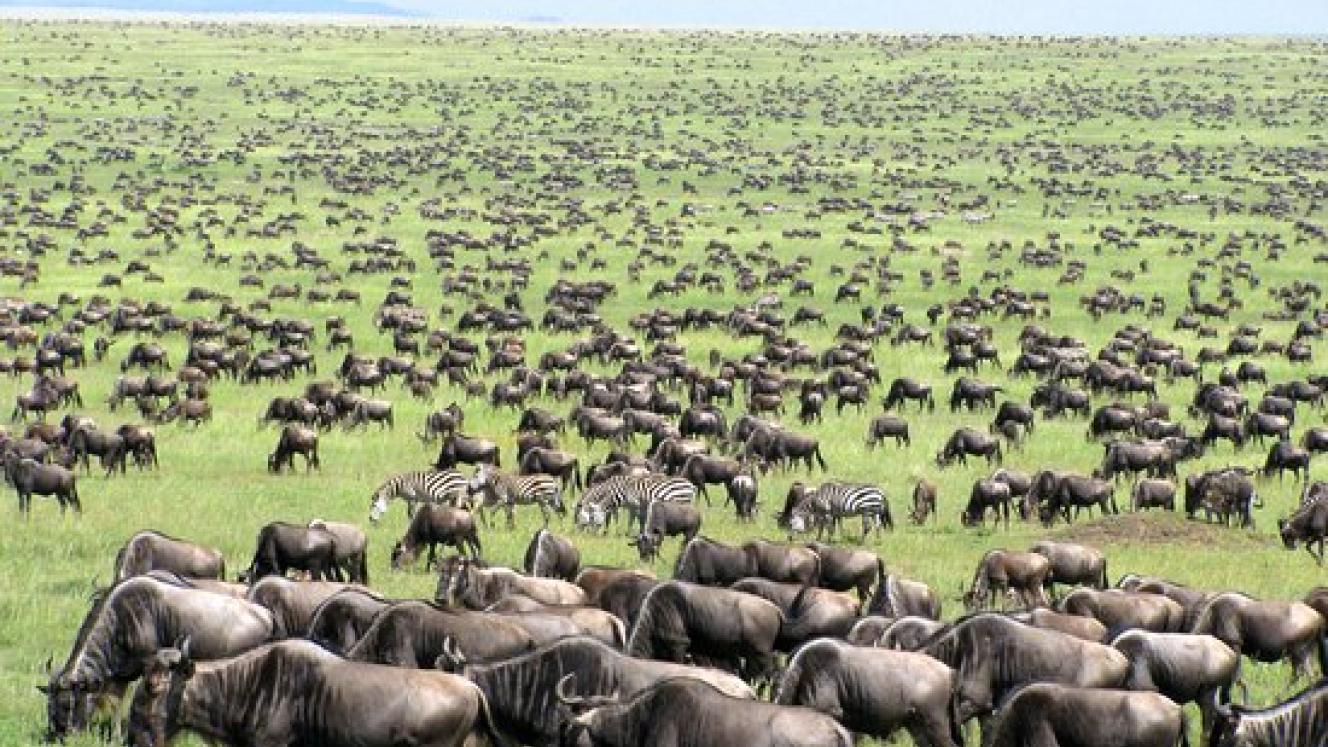
According to Saitoti, the reserve has historically been marketed mainly around the Great Migration season between July and September, creating overcrowding during a short period while leaving the rest of the year underutilised.
“The Maasai Mara is an all-year-round destination,” he says. “The goal is not necessarily fewer tourists but better distribution of visitors throughout the year.”
Under the current pricing system, international tourists pay about US$100 during the green season and US$200 during peak migration months. Kenyan citizens pay subsidised rates of approximately KSh1 500 (US$11.59) during the low season and KSh3 000 (US$23.18) during the migration period.
Saitoti says the pricing model was informed by the National Tourism Strategy 2021-2025, which recommended seasonal pricing for premium parks across Kenya. Initial proposals suggested fees as high as US$400 for some conservation areas but Narok County settled on a maximum of US$200 to balance conservation needs and competitiveness.
“The Maasai Mara is a relatively small and fragile ecosystem compared to the larger Serengeti-Ngorongoro ecosystem,” he explains. “It cannot sustainably operate as a mass tourism destination.”
The county government has also introduced measures aimed at improving visitor experience and conservation management. Over 200km of roads within the reserve have been graded and maintained while airstrips, gates, washrooms and rest areas have been upgraded.
Technology has also been introduced to improve conservation management, including speed cameras to control reckless driving and EarthRanger systems for wildlife monitoring and ecosystem management.
“We have invested heavily in ranger operations, conservation infrastructure and research facilities,” Saitoti says.
Diversification
Despite the investments, experts argue that the Mara must diversify its tourism offerings if it is to remain competitive. Kithitu says the reserve can no longer rely solely on the Great Migration as its primary attraction.
He recommends expanding products such as walking safaris, cultural tourism and conservation-based experiences while enforcing stricter vehicle limits and zoning systems to improve the quality of the visitor experience.
Climate change is also emerging as a growing threat. Prolonged droughts and heavy rainfall continue to affect wildlife movement, vegetation and infrastructure across the reserve.
Many stakeholders still believe the current slowdown presents an opportunity for the Mara to be repositioned as a premium, sustainable tourism destination.
“With the right interventions, the Mara can still remain Africa’s leading safari destination,” says Kithitu.