Southern and East Africa’s inbound tourism industry is placing greater emphasis on the potential offered by the Middle East market, focusing on high-spending local citizens and the region’s large expat community.
The Middle East has been one of the strongest performing markets for Southern and East Africa post-COVID. Statistics South Africa’s latest International Tourism Report shows arrivals in South Africa in 2025 reached just over 60 000 – year-on-year growth of 32% and 13% above 2019 levels.
“You’ve got two segments of the market: the local market born in Gulf Cooperation Council (GCC) countries and a huge expat population that lives and works in the Middle East. So the value of the market is not fully appreciated as those expat travellers are recorded on the nationality on their passports,” said Sadiq Dindar, Global Sales and Marketing Director at Tingana Global Travel.
Dindar said, with increasing airlift from major GCC and African carriers, and barriers to entry negated by visa-free access for GCC citizens and expats from major source markets, there are significant opportunities to ramp up in-country marketing efforts.
“It’s a low-hanging fruit in terms of how easy it is from a conversion point of view, how easy it is to increase arrivals and how easy it is to access. And we’ve got airline partners who are on the ground helping us to put out the positive message.”
The generally high spending of Middle Eastern travellers, and a willingness to explore new products beyond the hotspots of Cape Town and the Kruger National Park, accentuate the market’s value, he added.
“We have all the major national carriers flying direct and it’s to all three of our major international airports in Joburg, Cape Town and Durban. Trade partners have reached out to enquire about new products and experiences, which shows the appetite for exploring all of South Africa’s offerings,” said Dindar.
Rob Hetem, Co-Founder of DMC Tamrich Tours, which has worked in the Middle East market since 2001, said the growth experienced from the region is driven by a combination of structural, commercial and experiential factors.
“Sustained improvements in air connectivity, particularly through Gulf carriers’ vision of access, fundamentally changed access to South Africa and the broader African continent. What was once seen as a niche or complex destination is now well-connected, reliable and competitive,” said Hetem.
“The market has always been characterised and driven by high disposable income, a strong culture of international travel among nationals and expatriate communities, a growing appetite for ‘new destinations’ and a combination of first-world experiences, nature-based activities and long-stay travel options.”
Hetem said East Africa, with its shorter flight times, is solidly established as a high-frequency safari destination while South Africa offers a broader long-haul proposition.
“Importantly, I don’t see our regions as competitive substitutes but rather complementary choices and unique opportunities within the same traveller set.”
He pointed out that the value of the market extends beyond volume of arrivals to high-quality visitation.
“Endearing characteristics of the Middle East source market include historically longer stays, multi-city itineraries, higher spend per traveller and buoyant interest in bespoke and premium experiences. South Africa is firmly positioned as a destination that rewards depth of experience, repeat visitation and itinerary creativity along with great on-the-ground value for money – something Middle Eastern travellers value highly.”
The market additionally bolsters tourism during traditional low-season periods for destinations such as Cape Town, Dindar pointed out.
“The peak period of travel is their summer, anything from May until the end of September, so that’s another plus point we should be pushing.”
Trade engagement on the up
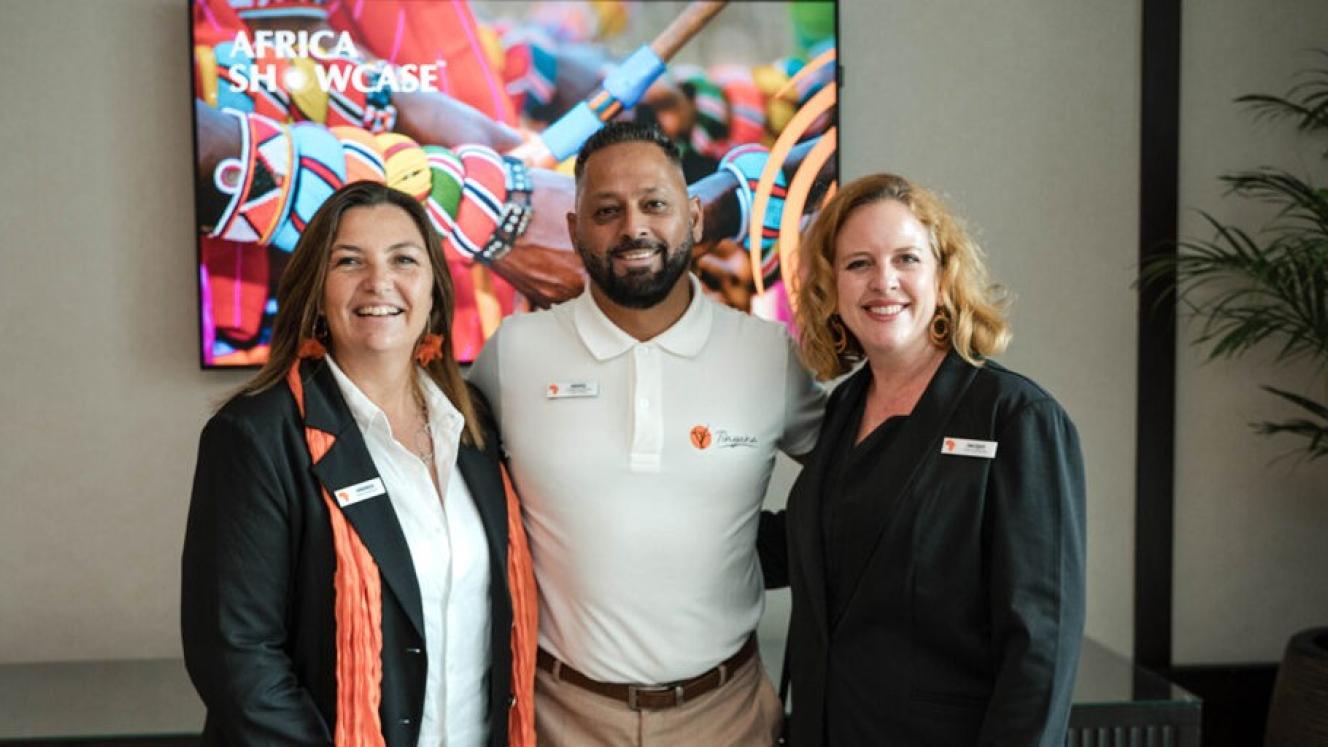
Faith in the Middle East’s prospects has been further affirmed with On Show Solutions’ inaugural Africa Showcase roadshows in Doha and Dubai in January, which attracted 26 African exhibitors and over 170 GCC travel buyers. The event received strong support from major carriers including Emirates, Qatar Airways, flydubai and South African Airways.
Dindar said that, in collaboration with SATSA and the TBCSA, the private sector is deeply committed to expanding marketing efforts in the Middle East.
“We received fantastic feedback from the first roadshows and, with the support of the DMCs and private-sector associations, we are dedicated to continuing to expand our presence in the Middle East,” said Dindar.
Hetem, who sits on SATSA’s Board and is Chair of the Access, Inclusivity and Diversity Board Committee, said trade-facing platforms are critical to sustaining and deepening demand.
“This has been one of the ways we have managed to gain the foothold in the market, which responds particularly well to face-to-face engagement, long-term relationship building and product education. Africa-focused roadshows allow destinations and suppliers to collaborate, present a united front and tell more nuanced stories beyond the headline safari narrative while showcasing regional diversity, seasonal capacity and new product,” Hetem said.